global


We want to hear your feedback so we can keep improving our website, theworld.org. Please fill out this quick survey and let us know your thoughts (your answers will be anonymous). Thanks for your time!
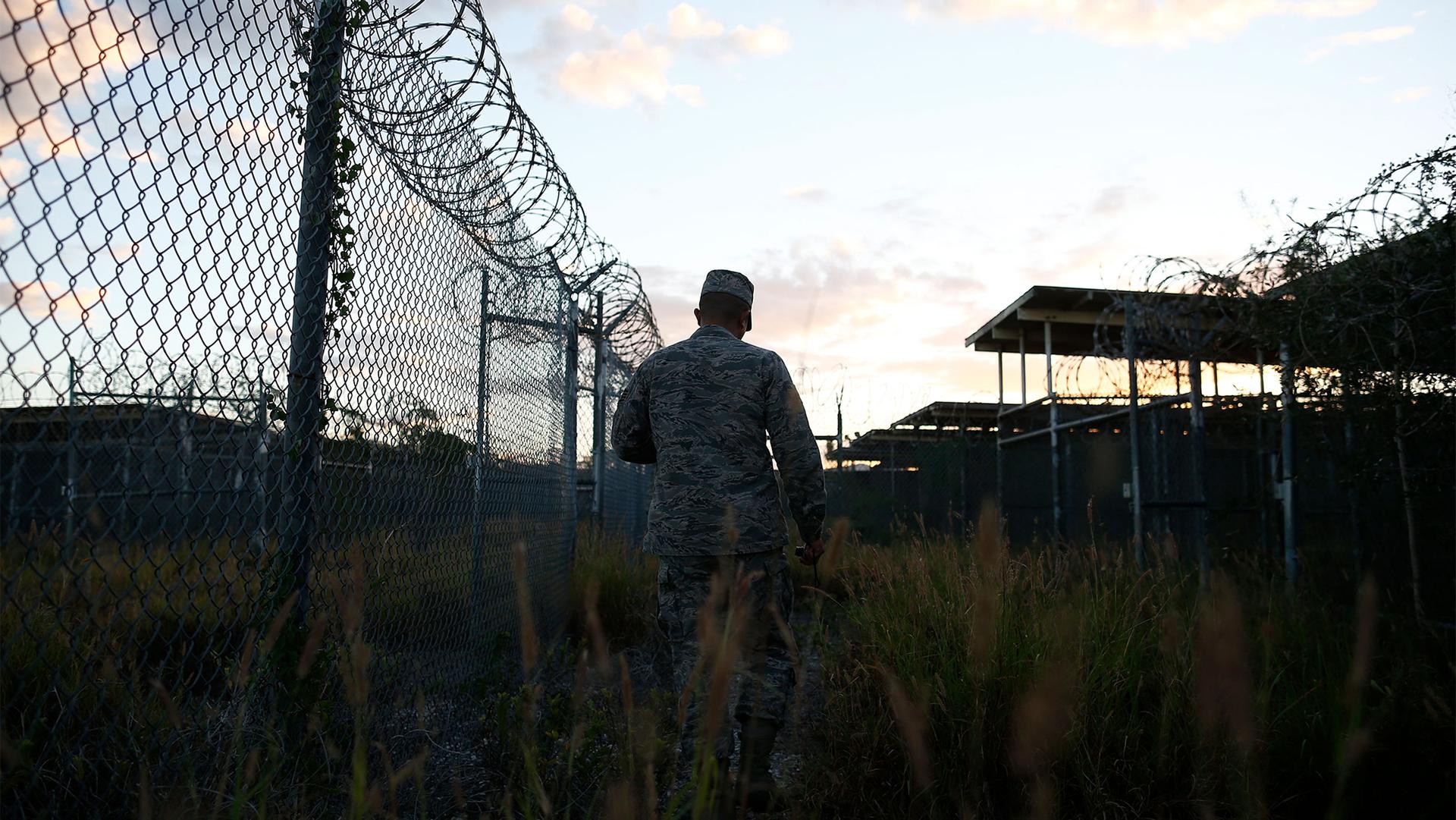
Growing number of governments using counterterrorism to justify targeting dissidents abroad
A growing number of countries repressing dissidents beyond their own borders includes a NATO ally of the US: Turkey. A Washington Post report finds that the tactics and language justifying these actions are pulled from the post-9/11 counterterrorism playbook. Host Marco Werman speaks with Fionnuala Ni Aolain, a former UN special rapporteur on human rights and counterterrorism.
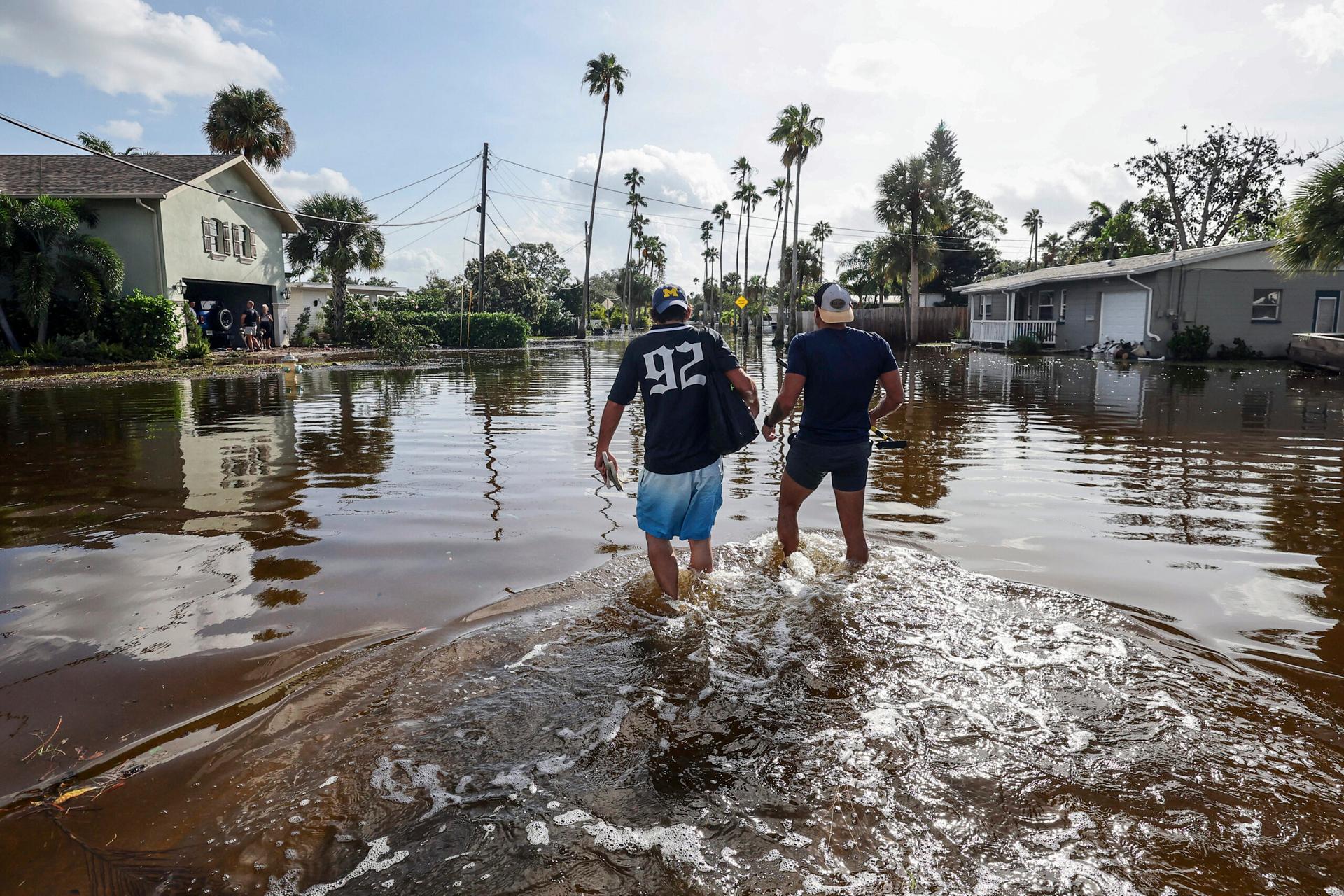

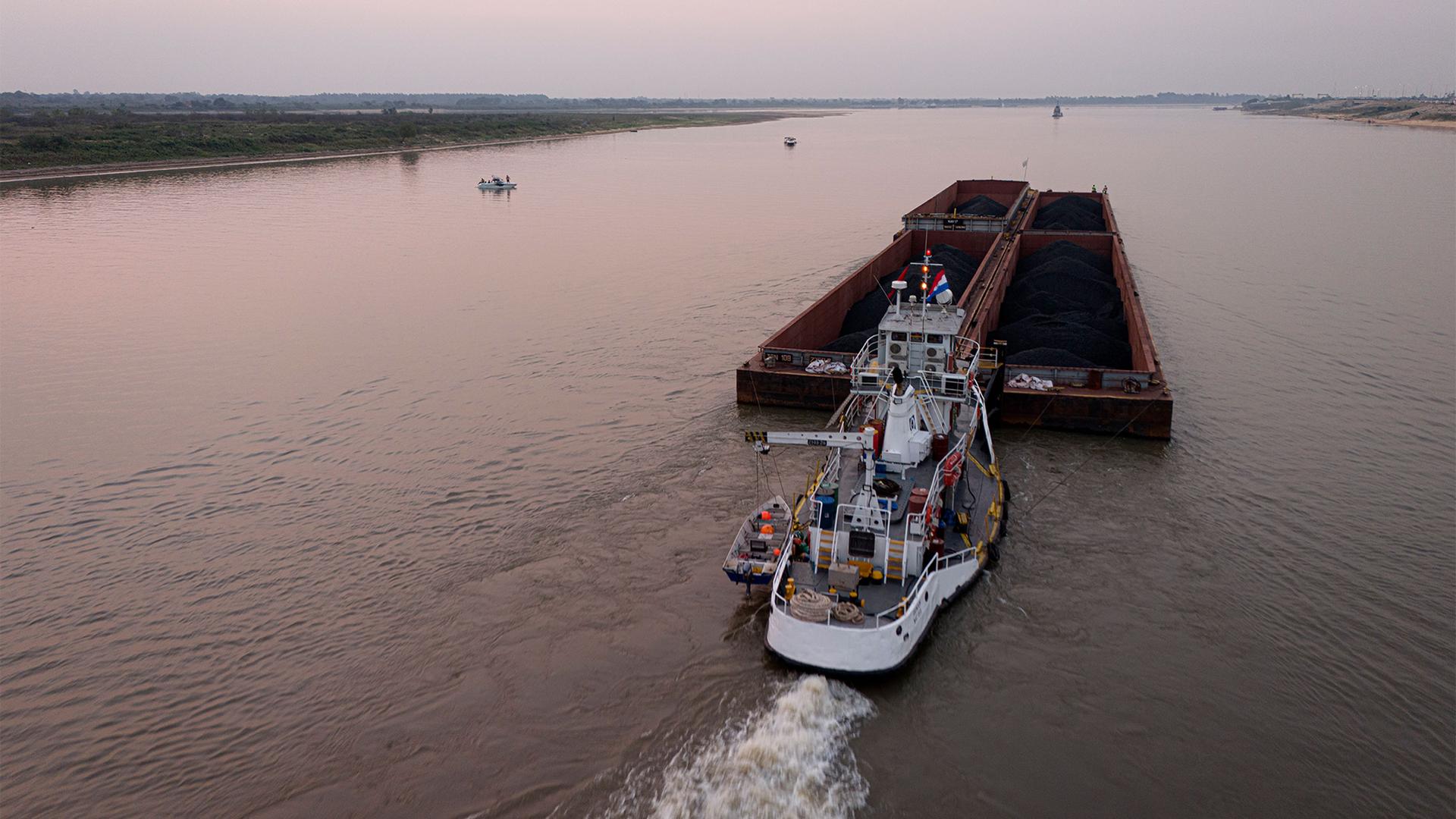
A rise in water-related conflicts around the world
The past couple of years have seen a major uptick in water-related conflicts globally. Peter Gleick of the Pacific Institute is attending World Water Week in Stockholm and speaks with The World’s Host Carolyn Beeler about the role water plays in global conflict.

After the gold: A look at how some Olympic champions are being welcomed home
Winning gold at the Olympic Games is a huge accomplishment. But athletes are received in various different ways upon returning to their home countries, with some even being showered with gifts and cash. But others question if financial rewards are appropriate.
Subscribe to The World’s Latest Edition podcast for free using your favorite podcast player: