A program that crosses borders and time zones to bring home the stories that matter.
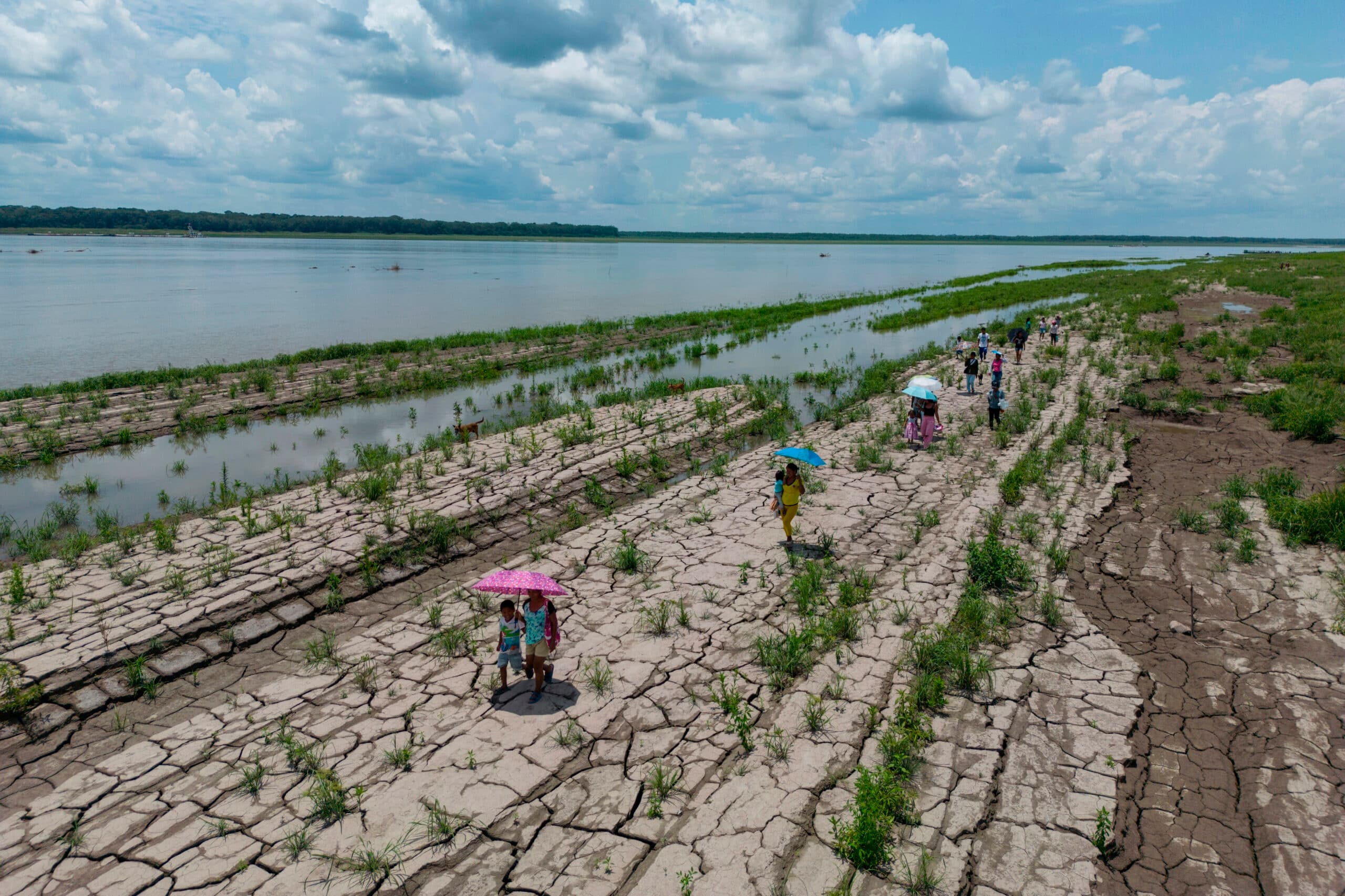
In the La Guajira region of Colombia, a multiyear drought and climate change-fueled natural disasters have disrupted Indigenous traditional agricultural practices. But new programs are helping the Wayuu people reinvigorate their traditional foods, especially the guajiro bean. Natalie Skowlund reports.
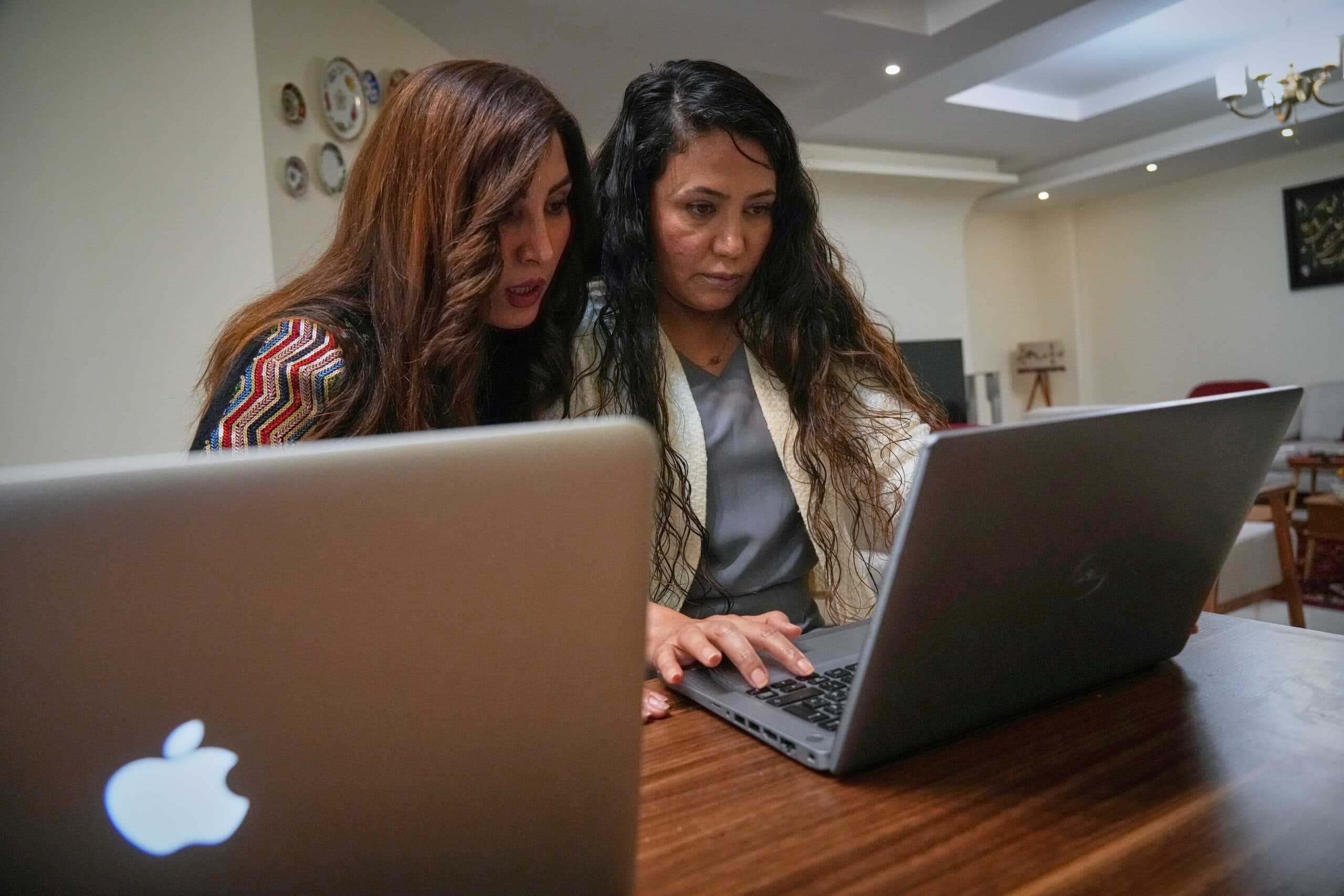
As US and Iranian officials meet for indirect talks in Oman, Iranians fleeing the government crackdown in their country share their thoughts and experiences. Many remain worried about their relatives back home and the uncertainty of their nation’s future.
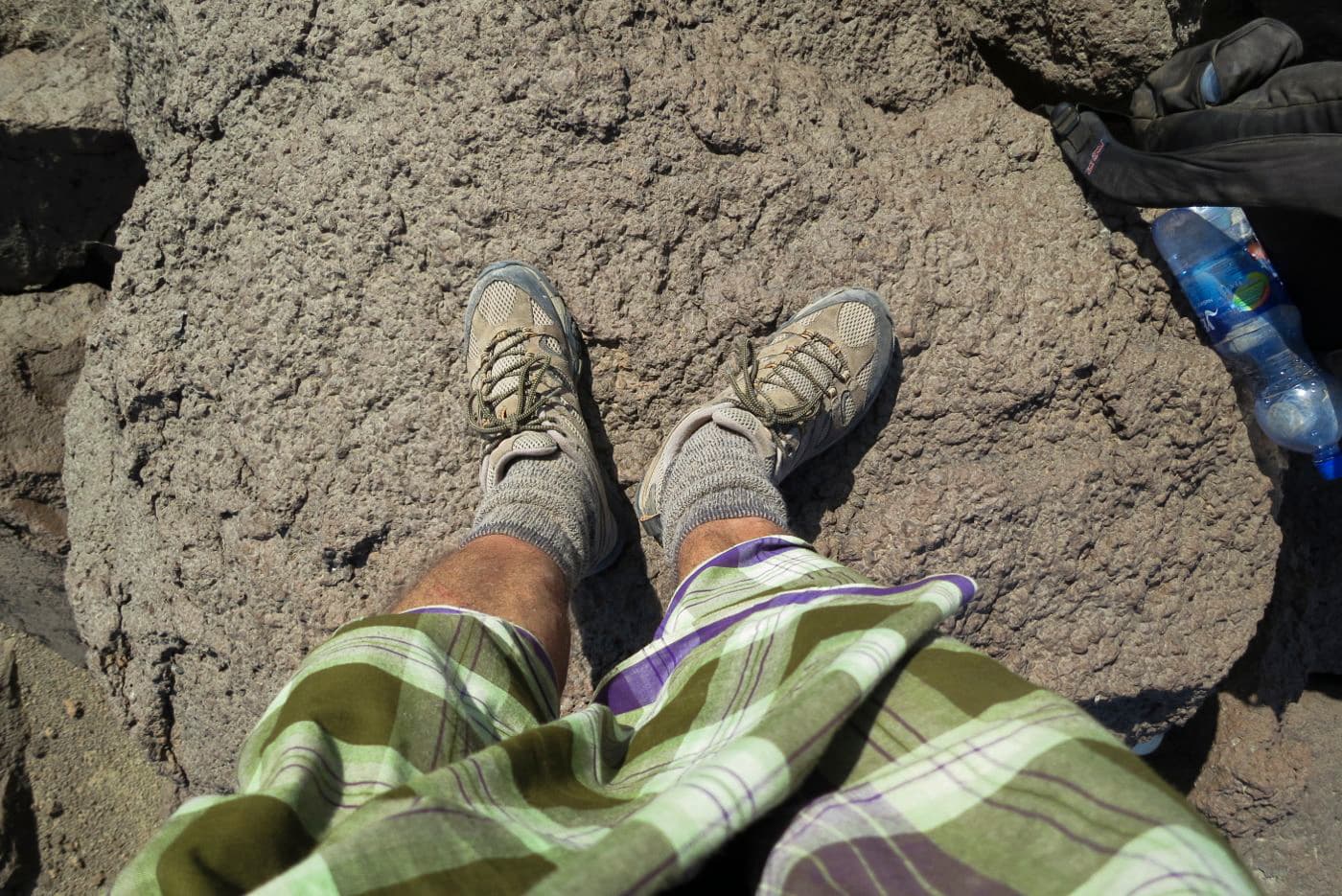
National Geographic Explorer Paul Salopek is on a global walk from Ethiopia to Tierra del Fuego, off the coast of South America. But such a walk wouldn’t be possible without help along the way. That’s why he has walked alongside dozens of walking partners on his journey so far. Salopek joined Host Marco Werman to explain how his walking partners keep him moving and what being part of his project means to them.
Last week, police in Nigeria’s largest city fired tear gas on people protesting the ongoing demolition of Makoko, an enormous informal settlement that stretches out into the Lagos Lagoon. With an estimated 300,000 inhabitants, the DIY housing settlement on stilts connected by canals is considered the largest of its kind in the country and was once home to some of Lagos’ poorest. The World’s Host Marco Werman learned more about the impact of the demolition from Nnimmo Bassey, a Nigerian environmental activist and architect.
A French-Nepali team is building a new route up Mount Everest that avoids the Khumbu Icefall. Due to the popularity of Mount Everest, as well as increased fragility of the icefall due to climate change, this part of the route is exceptionally risky. Team member Antoine Erout joined The World to discuss.