E. coli in Europe: economic costs mount
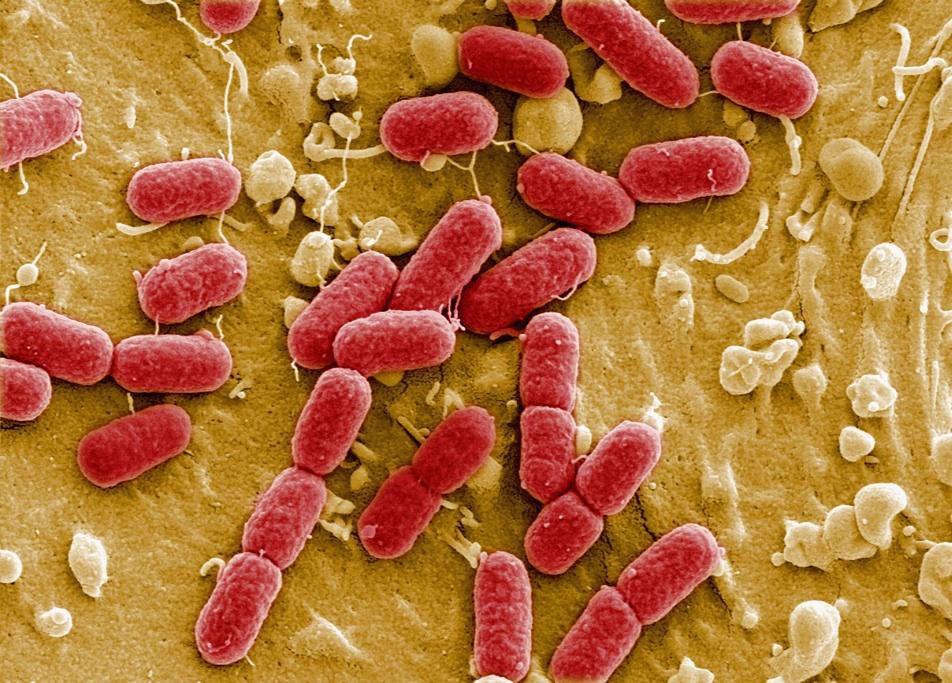
In this handout photo provided by the Helmholtz Center for Research on Infectious Diseases an EHEC bacteria is visible on May 30, 2011 in Berlin, Germany.
The deadly E. coli outbreak that has killed 15 people and sickened 1,500 in Europe is, above all, a health story.
Scientists and health officials are today struggling to identify the source of the killer strain, which has left 500 people in Germany with a rare form of kidney problems.
Meanwhile, 365 new cases of the mysterious outbreak were identified today. A Swedish woman was also the first person outside of Germany to die from the outbreak.
Clearly, more work needs to be done to cope with this health crisis.
But in Europe nothing is that simple, particularly when it comes to the toxic mix of agriculture, politics and, of course, money.
“We are by now talking about hundreds of millions of euros of loss,” Armando García López, the chief of staff of the regional agriculture department of Andalusia, told the New York Times.
The E. coli outbreak has hurt trade across Europe's common market, as farmers are dumping suspect vegetables. Consumers, too, are growing increasingly worried:
“There is a reluctance on the part of consumers to purchase vegetables,” Robert Kloos, Germany's Agriculture Minister, said in the New York Times. “All vegetables in the European Union are affected,” he said, specifically mentioning Spain, the Netherlands, Germany and Belgium.
German health officials first said the outbreak likely began with infected cucumbers from Spain. They later retracted those conclusions.
But the Spanish are not pleased and are considering legal action against their German cousins.
"We do not rule out taking action against authorities which have cast doubt on the quality of our produce, so action may be taken against the authorities, in this case, of Hamburg," Spain's deputy prime minister, Alfredo Pérez Rubalcaba, told Cadena Ser radio.
Spanish farmers warn the E. coli outbreak is costing $288 million per week. They also say that lost sales could result in the loss of 70,000 agriculture jobs — bad news for a country that already has Europe's highest unemployment rate.
Agriculture is a touchy political subject across the European Union, of course.
The industry makes up just 1.8 percent of the E.U.'s $15 trillion economy. But subsidies to European farmers represent about 40 percent of the E.U.'s annual spending.
The article you just read is free because dedicated readers and listeners like you chose to support our nonprofit newsroom. Our team works tirelessly to ensure you hear the latest in international, human-centered reporting every weekday. But our work would not be possible without you. We need your help.
Make a gift today to help us reach our $25,000 goal and keep The World going strong. Every gift will get us one step closer.