Health & Medicine


We want to hear your feedback so we can keep improving our website, theworld.org. Please fill out this quick survey and let us know your thoughts (your answers will be anonymous). Thanks for your time!

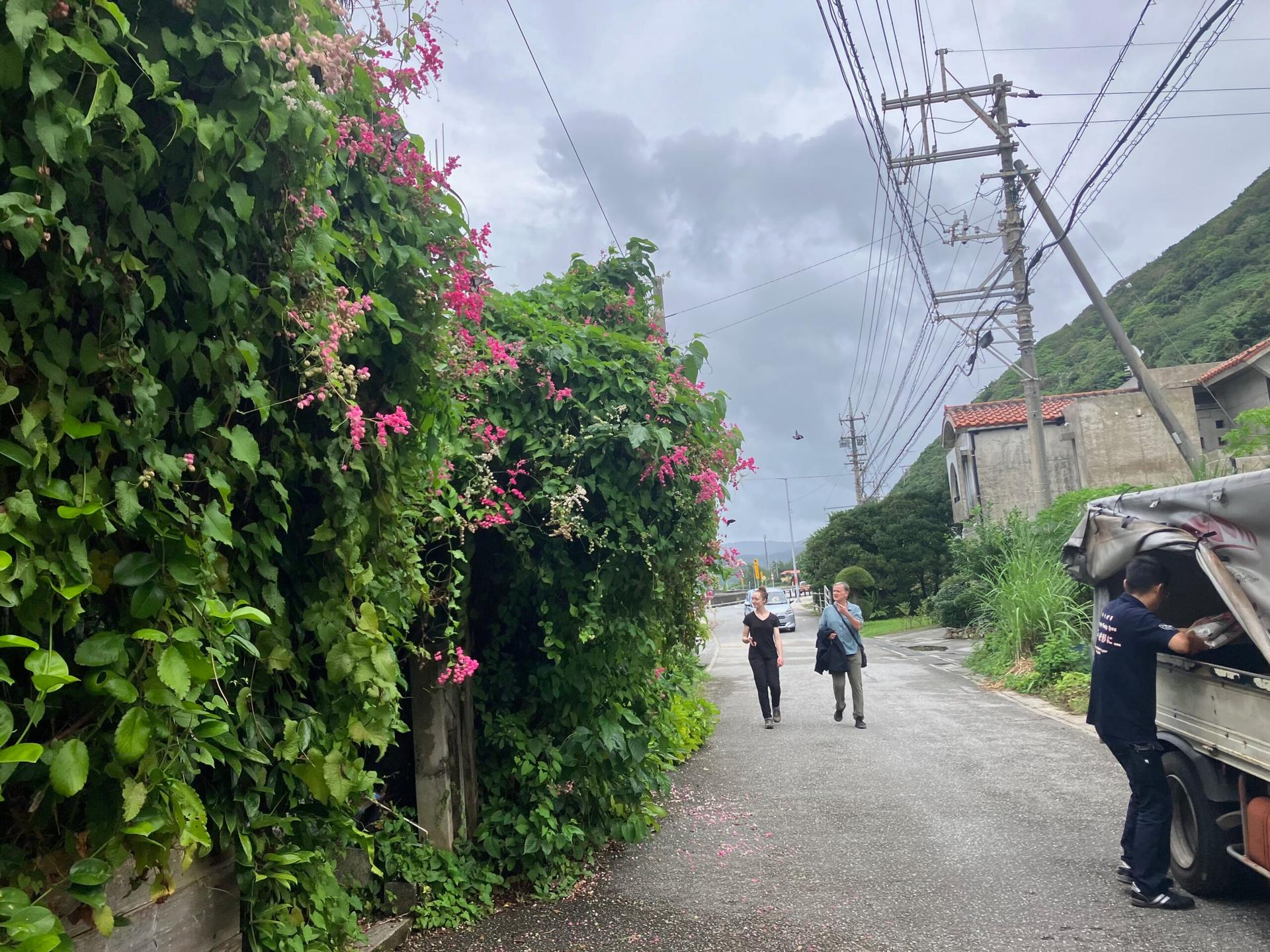
Fake news? Unpacking the ‘Blue Zone’ myth in Okinawa.
For decades, Okinawa has prided itself as a hot spot for longevity. In 1999, the Japanese islands were listed as one of five “Blue Zones,” where people statistically live the longest, often into their 100s. A strong diet and emphasis on human connection were thought to be some of the biggest contributing factors. But new research suggests the entire concept of Blue Zones is a myth.
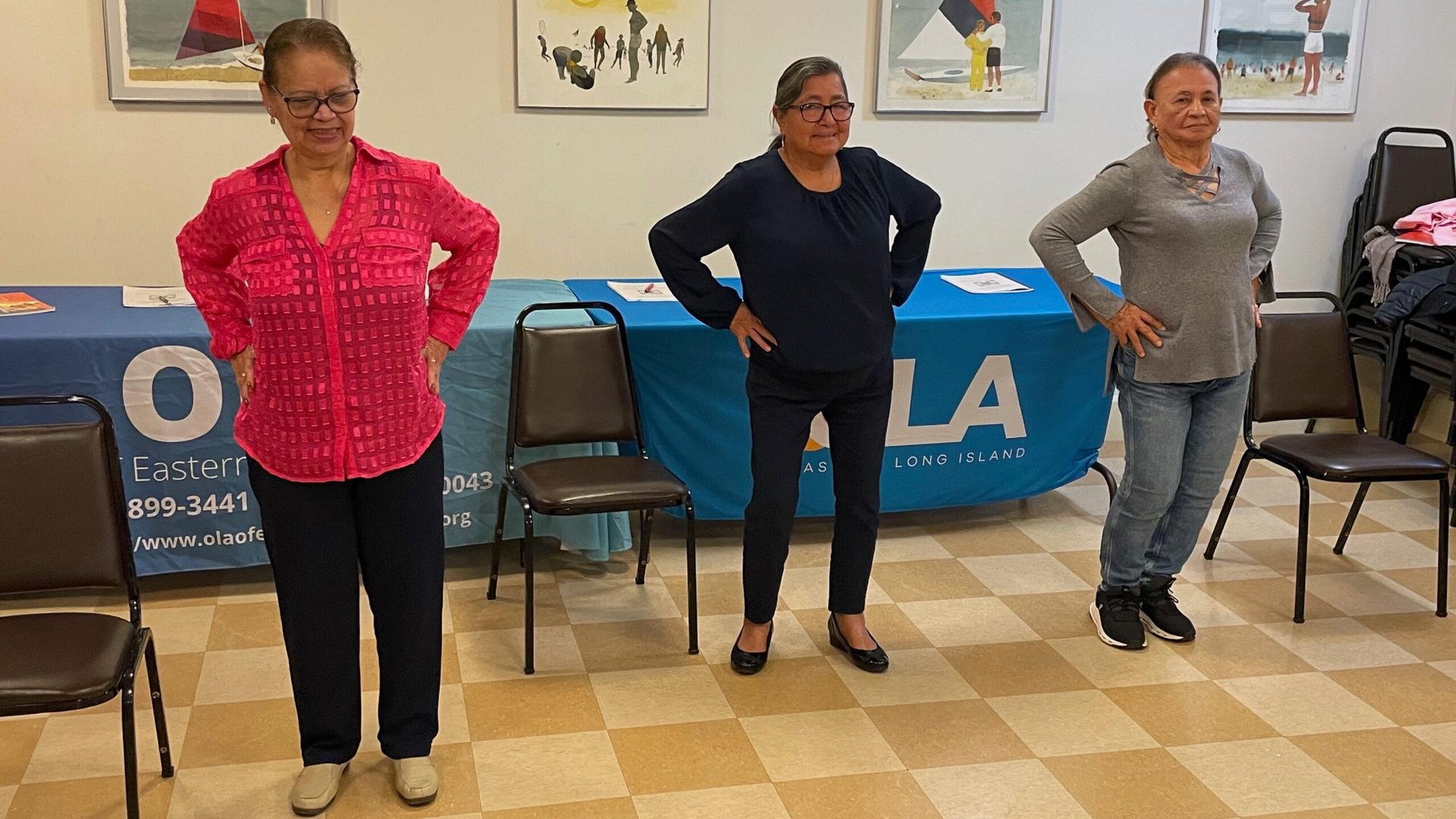
Hamptons hospital adapts fall-prevention classes for aging Spanish-speaking population
The number of foreign-born older people in the US is increasing fast: It’s expected to reach 23% of the total older population by 2060. But the US health care system is not always well prepared to cater to aging immigrants. In an increasingly immigrant community in the Hamptons, in New York, a local hospital is offering fall-prevention classes in Spanish.
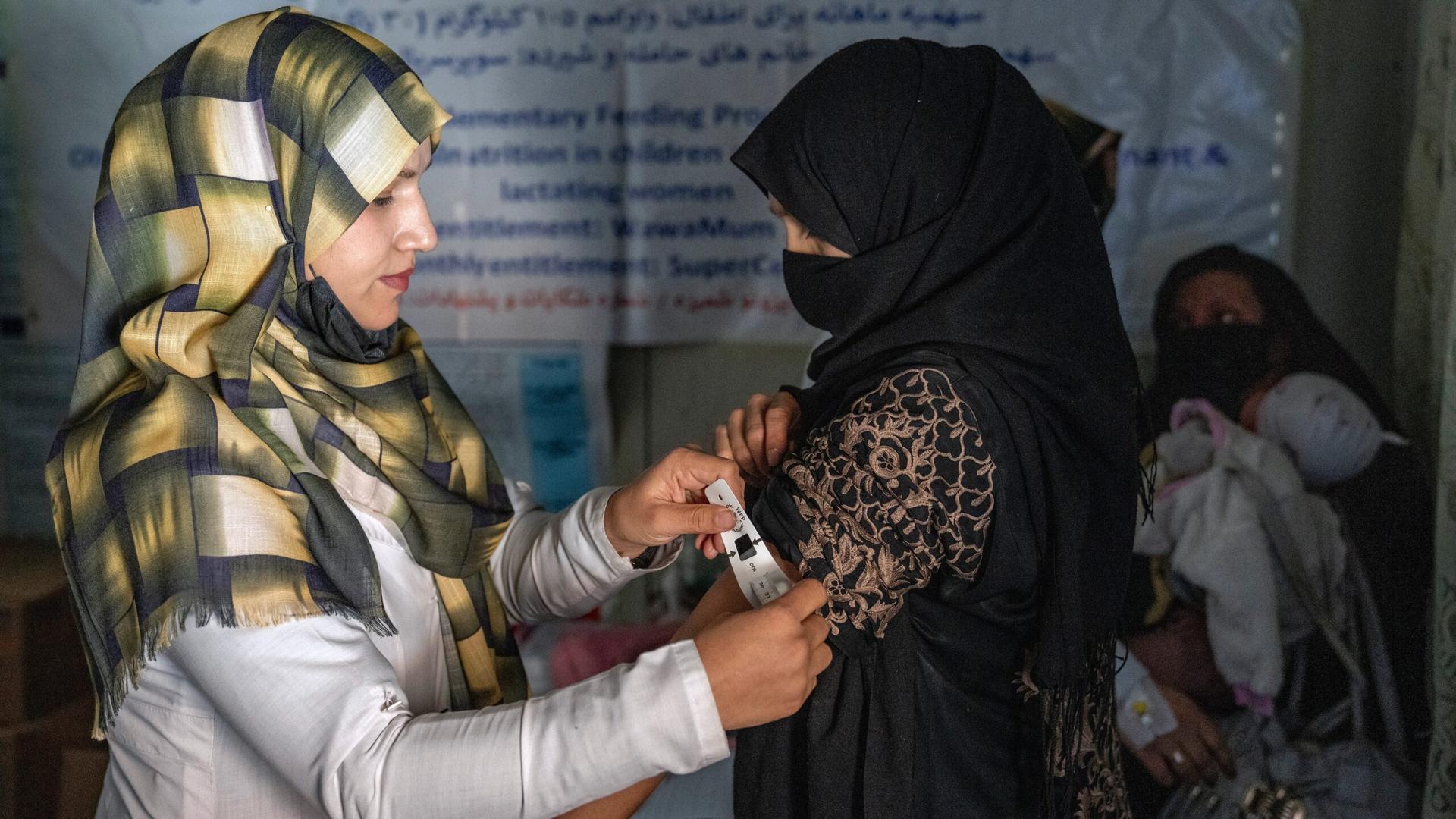
Women in Afghanistan can no longer attend medical institutes
A new directive from the Taliban bans women from studying dentistry, nursing and midwifery. The group, which took over the country by force in 2021 after the US withdrawal, also reportedly prevents women from getting treatment from male doctors unless a male guardian is present. Human rights activists say they are worried about what these restrictions mean for the future of Afghan women’s health.

Israeli ‘double tap’ strikes in Gaza and Lebanon ‘raise serious ethical and legal concerns’
Israel has conducted thousands of strikes in Gaza and Lebanon since the start of the current war last October. Footage shot by witnesses, as well as survivors’ testimonies, raise serious ethical and legal questions about some of those attacks.
Subscribe to The World’s Latest Edition podcast for free using your favorite podcast player: