Zambia
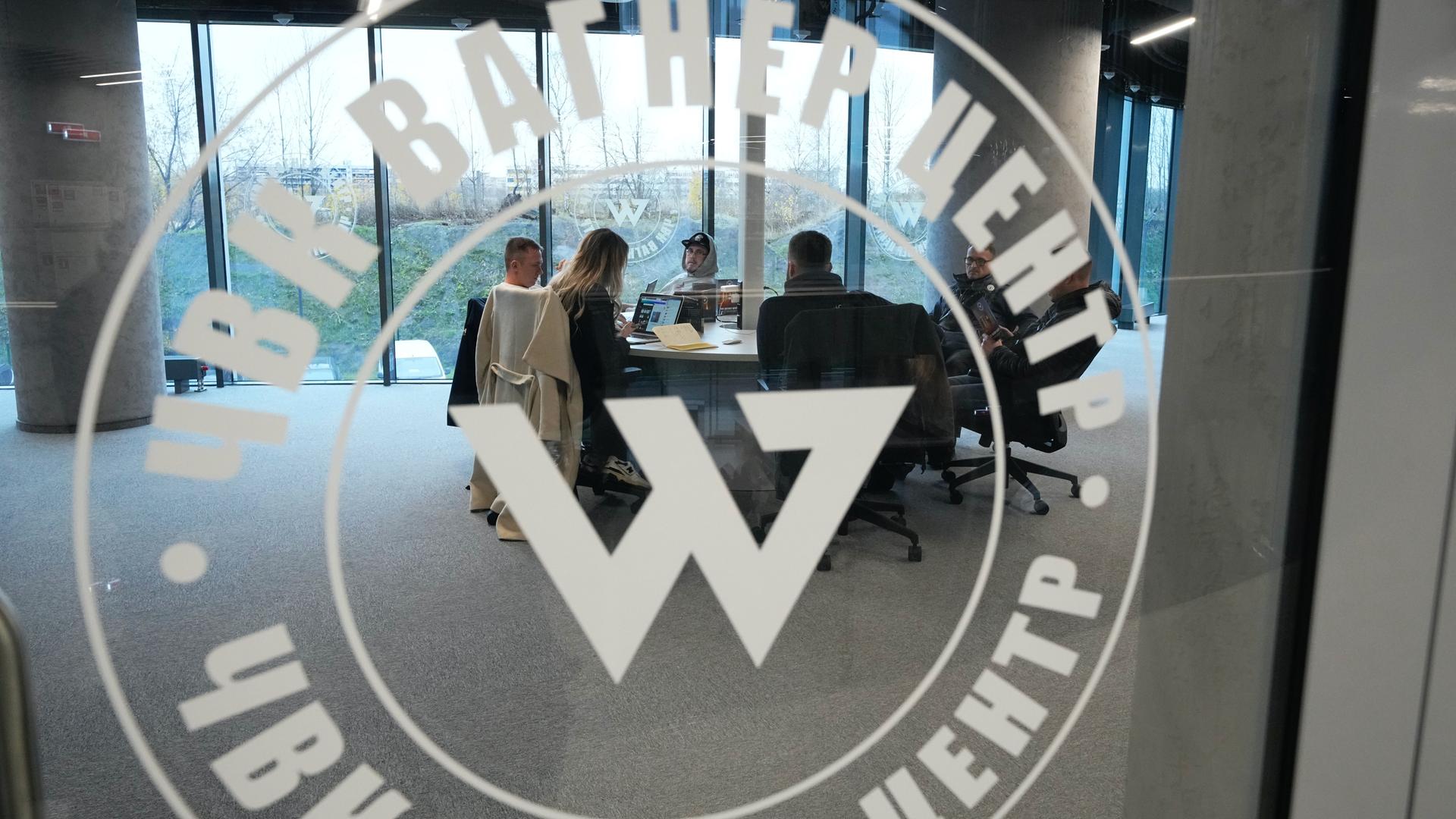
Wagner mercenary group recruits Africans held in Russian prisons
In recent months, reports have emerged that at least two men, one from Zambia and another from Tanzania, were killed while fighting for the Wagner group in Ukraine. Wagner reportedly recruited the men from Russian prisons, promising them amnesty.


We want to hear your feedback so we can keep improving our website, theworld.org. Please fill out this quick survey and let us know your thoughts (your answers will be anonymous). Thanks for your time!
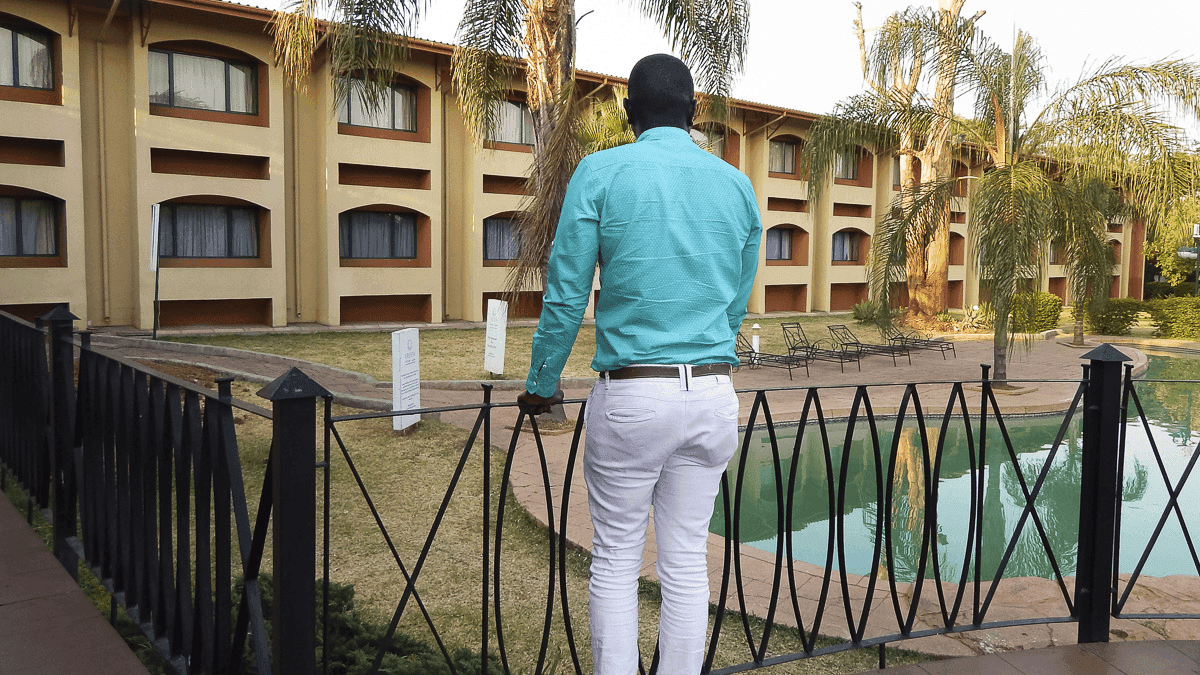
For gay men in Zambia, where homosexuality is banned, suicide is a common end
The LGBTQ community isn’t acknowledged in Zambia because the law doesn’t allow for its existence, so people who struggle with mental health issues often can’t find the care they need. Some grassroots organizations are working to help LGBTQ people, but they often operate in secret.
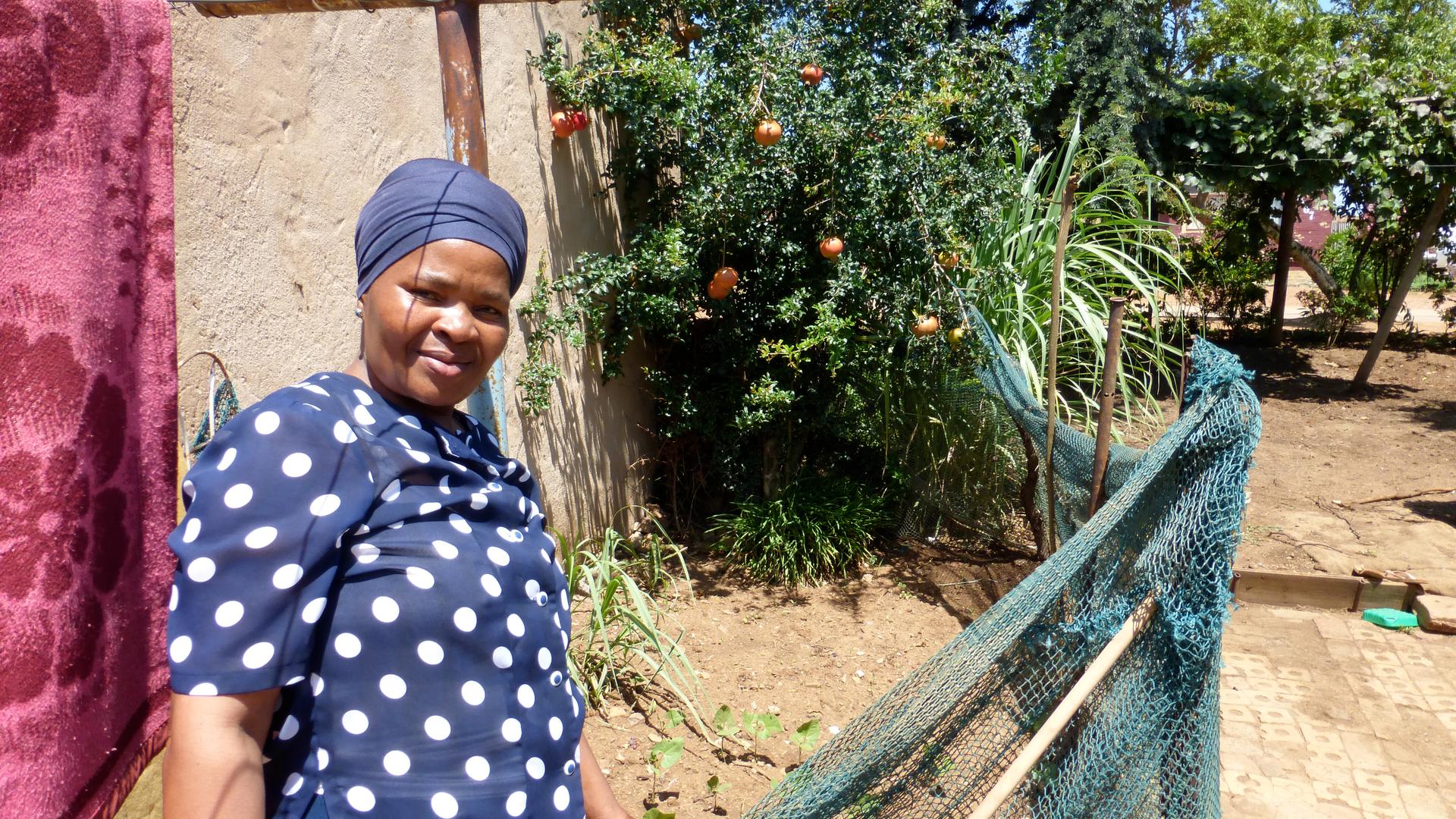
For one South African house cleaner, this year’s big drought means crying, hungry children
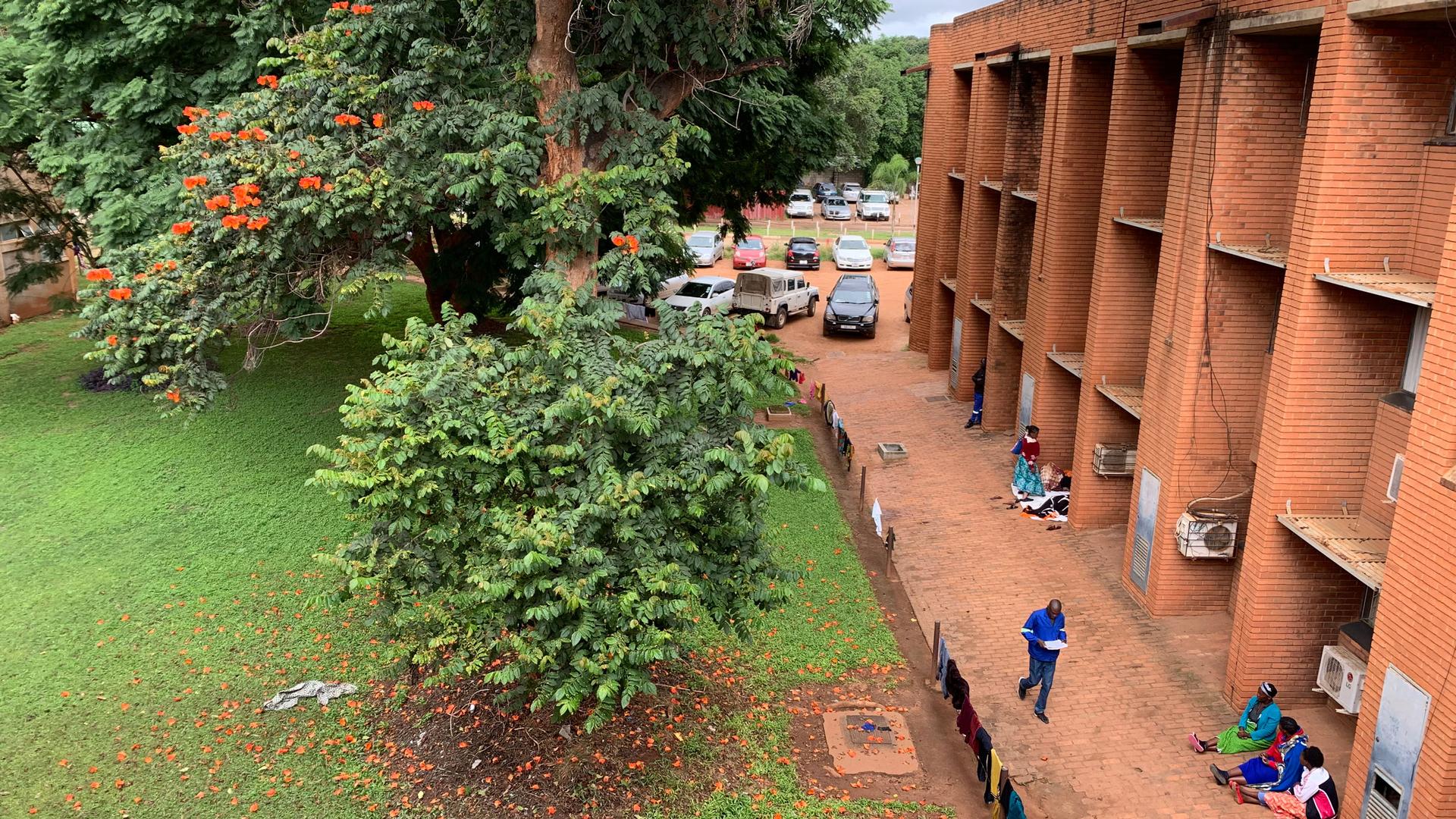
The current drought in southern Africa is the worst in decades, and likely a harbinger of things to come as the region warms up and dries out as its climate changes. The drought is having real impact on one resident in a Pretoria township, and what governments in the region can do to help prepare for a hotter and drier future.
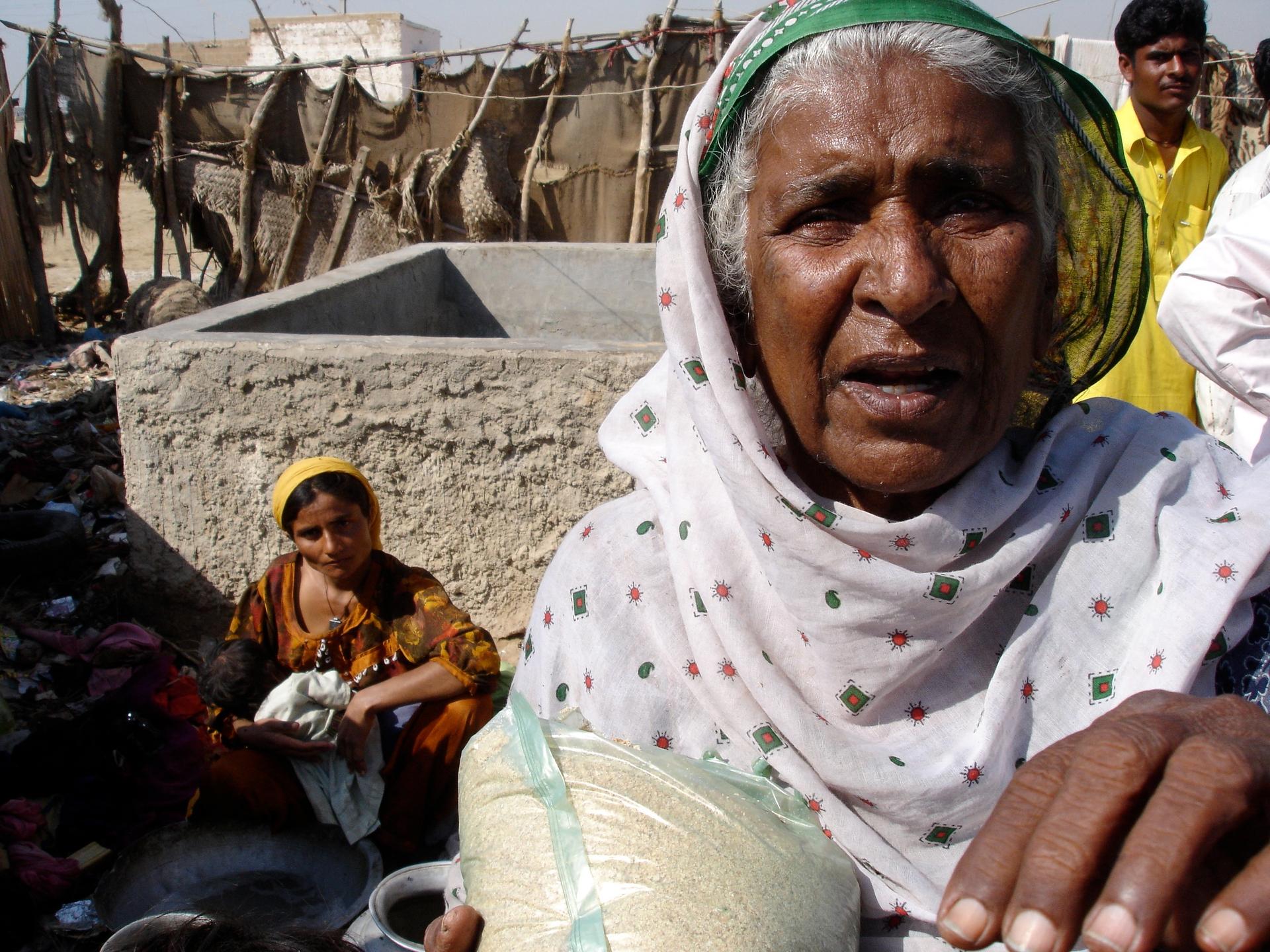
Can extreme global poverty end in this century? Here’s why it looks promising
Geeking out to help end global poverty. (That’s meant with the highest respect for geeks.) Tapping great minds to help the world’s poorest, Shashi Buluswar leads the Institute for Globally Transformative Technologies at Lawrence Berkeley Lab in Berkeley, California.
Subscribe to The World’s Latest Edition podcast for free using your favorite podcast player: