India plans to introduce universal health coverage in 2012-2017
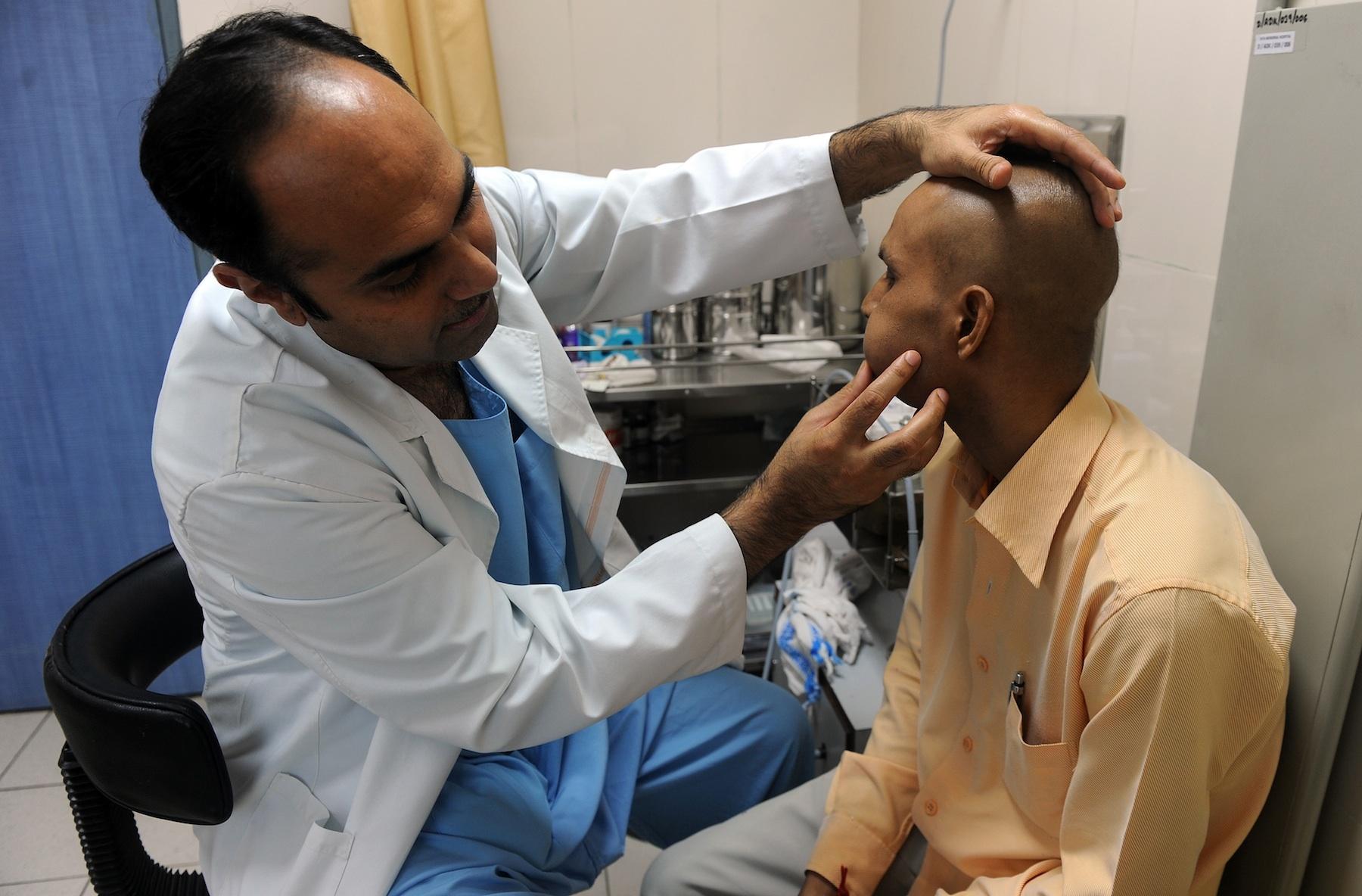
As India’s health ministry prepares to roll out universal health coverage, McKinsey argues the government can only make up for shortcomings in the public health system by partnering with private companies.
India aims to introduce universal health coverage during the 12th five year plan (2012-2017), but the public health system faces massive problems with inadequate infrastructure, poor funding and inefficiency. The only way forward is to partner with private firms, argues McKinsey & Co. in a new report.
"While public health experts have recommended that the government move from 'insuring' to 'assuring' health by investing in primary care, the McKinsey report envisions the expansion of healthcare primarily through extensive insurance coverage," Mint reports.
The idea is to increase insurance coverage to 75 percent of the population from 25 percent, the paper said.
In a system that appears to have much in common with America's (failed) one, only the uninsured poor would be covered by government-run insurance programs.
On the plus side, the report recommends boosting total spending on health to 5.5 percent of GDP.
According to the World Health Organization, India has a doctor-patient ratio of 1.7 doctors per 1,000 people, compared with the WHO recommended norm of 2.5 per 1,000, the paper said. The number of hospital beds is a low 0.67 per 1,000 people, compared with a global average of 2.6 per 1,000 and a WHO recommended norm of 3.5 per 1,000, Mint reports.
The article you just read is free because dedicated readers and listeners like you chose to support our nonprofit newsroom. Our team works tirelessly to ensure you hear the latest in international, human-centered reporting every weekday. But our work would not be possible without you. We need your help.
Make a gift today to help us reach our $25,000 goal and keep The World going strong. Every gift will get us one step closer.