Burma’s mysterious and fatal explosion
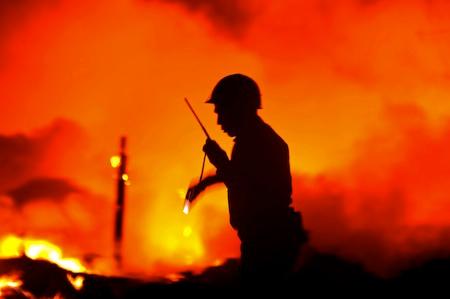
Burmese rescue workers search for bodies from a large unexplained explosion and fire in Rangoon (officially known as Yangon) on December 29, 2011. At least 15 people were killed and dozens more injured.
At least 15 are dead and nearly 60 are wounded after a massive explosion at a warehouse in Burma's former capital and largest city, Rangoon, officially known as Yangon.
The blast was intense enough to be heard up to 10 kilometers away, according to the People's Daily Online.
So just what — or who — set off the explosion?
Bombings are not terribly uncommon in Rangoon but, because of the authoritarian government's chokehold on the media, the cause is seldom revealed.
Last April, a bombing killed 10 and wounded 170 during a hugely popular water festival, the BBC reported at the time. That explosion was certainly meant to kill, as was a smaller bomb blast in February. Yet another fatal blast this month was blamed on political dissidents.
There is a tendency to see political subterfuge behind almost everything that happens inside Burma.
But, so far, nothing indicates that this explosion was premeditated and designed to kill.
For starters, it happened five kilometers outside the city center, which is where you'd set off a bomb to make a statement. It also erupted in a warehouse that, according to Reuters, was filled with flammable chemicals. And Burma, among Asia's poorest countries, is not blessed with anything you'd call "workplace safety."
At this point, it's safe to assume this warehouse explosion was just a warehouse explosion.

Our coverage reaches millions each week, but only a small fraction of listeners contribute to sustain our program. We still need 224 more people to donate $100 or $10/monthly to unlock our $67,000 match. Will you help us get there today?