25 years after the TV movie “The Day After”
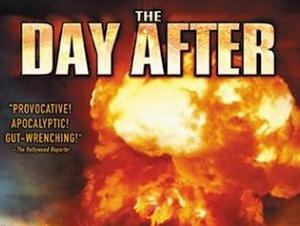
In the 1980s, a nuclear war seemed very, very possible.
Host Kurt Andersen recalls, "I can still remember when about a million anti-nuke protestors filled Central Park here in New York."
Twenty-five years ago this month, about half of America, the largest TV audience at that time, tuned in to ABC to have the life scared out of them. The movie was called "The Day After." It was us versus the Soviets: mutually assured destruction, and it was focused on a group of survivors in the heartland of Kansas.
Jason Robards plays a doctor in Kansas City who escapes instant incineration, only to face all of the horrors of the day after.
According to Ronald Reagan’s memoirs, that movie on TV left him "greatly depressed," and apparently, encouraged him to negotiate a pivotal nuclear treaty with Gorbechev.
Radio producer Derek Johns phones his 9th grade science teacher to ask her why she saw fit to show the film in class over the course of a week.
Support PRI when you purchase "The Day After
PRI’s Peabody Award-winning "Studio 360 with Kurt Andersen" from WNYC is public radio’s smart and surprising guide to what’s happening in pop culture and the arts. Each week, Kurt Andersen introduces you to the people who are creating and shaping our culture. Life is busy — so let "Studio 360" steer you to the must-see movie this weekend, the next book for your nightstand, or the song that will change your life.
Every day, reporters and producers at The World are hard at work bringing you human-centered news from across the globe. But we can’t do it without you. We need your support to ensure we can continue this work for another year.
Make a gift today, and you’ll help us unlock a matching gift of $67,000!