Public radio’s longest-running daily global news program.
©2026 The World from PRX
PRX is a 501(c)(3) organization recognized by the IRS: #263347402.
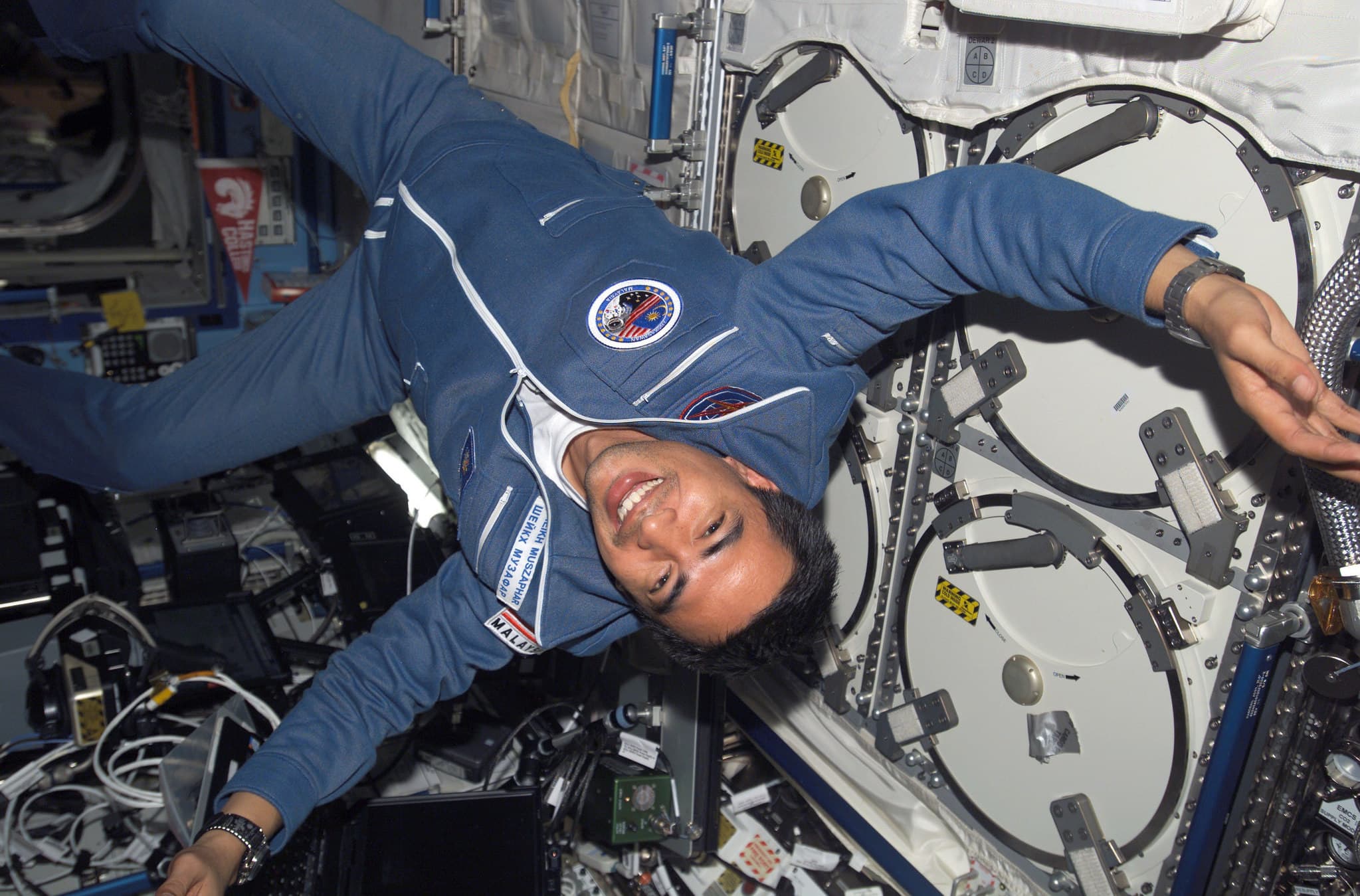
Dr. Sheikh Muszaphar Shukor became the first devout Muslim to go into space during the holy month of Ramadan. This presented a religious conundrum.
Back in the Golden Age of Islam, Muslim astronomers began studying the skies to improve their religious practice: when to pray, how to face Mecca.
Then, they solved more scientific questions, and European thinkers were drawn to learn from them.
Now, in a new era of space exploration, how will Muslim scholars work with the rest of the world to advance scientific thought — while remaining faithful to their traditions?
This episode features interviews with:
David DeVorkin, senior curator at the Smithsonian National Air and Space Museum
George Saliba, professor emeritus at Columbia University and historian of Arabic and Islamic science
Asad Q. Ahmed, associate professor of Arabic and Islamic Studies at UC Berkeley
Jorg Matthias Determann, author of Space Science and the Arab World: Astronauts, Observatories and Nationalism in the Middle East
Kathleen Lewis, curator at the Smithsonian National Air and Space Museum
Imam Yahye Hendi, Muslim chaplain at Georgetown University