Music

Brazilian hip-hop artist Brisa Flow brings Indigenous issues to the fore
Brazilian singer and rapper Brisa Flow made history in 2023 as the first Indigenous artist featured on the lineup of Lollapalooza Brazil. Her music mixes hip-hop with ancestral singing, jazz, electronic and neo-soul. She’s also an activist and educator.


The Guatemalan health workers funded by ABBA’s ‘Chiquitita’
Fifty years ago, the pop superstars ABBA donated all proceeds from the song “Chiquitita” to UNICEF. The song is still making money, and that money is now being spent exclusively in Guatemala where it’s funding health workers who work in rural areas with children on sexual health issues.

Chile’s Indigenous carnival kicks off in the city of Arica
Chile’s biggest carnival is kicking off at full speed today. As many as 150,000 people have traveled to the northern Chilean town of Arica to participate. But this is not your typical carnival. Most of the dances and music come from Bolivia. It is a celebration of Indigenous Aymara, Quechua and Afro-Chilean identities.


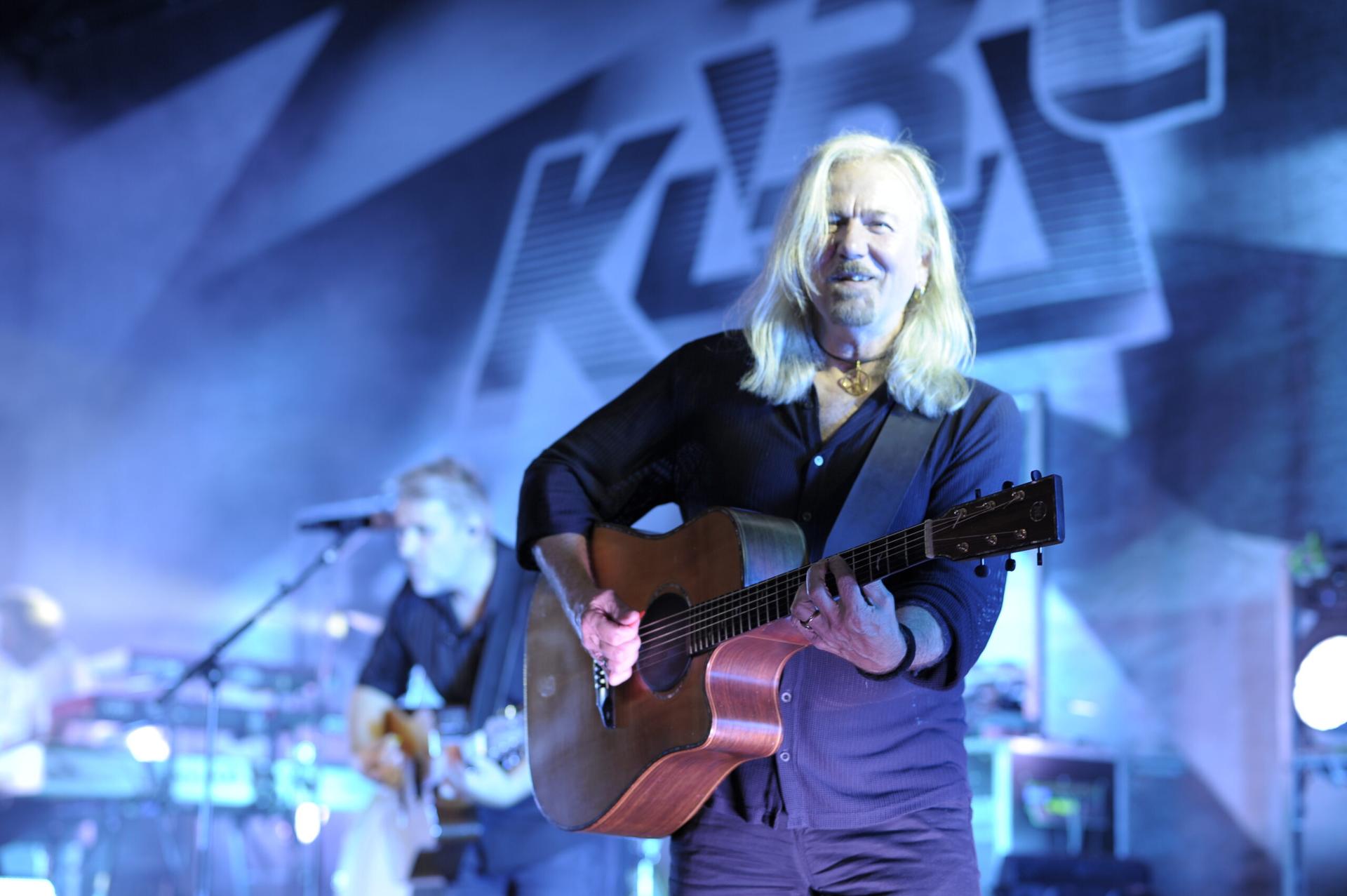
A bumpy ride down East Germany’s memory lane
With the fall of the Berlin Wall in 1989, East German culture disappeared practically overnight, cast aside for the newly accessible West. But today, amid dissatisfaction with the progress of German reunification, some former East Germans are taking a new look back at the past.