Public radio’s longest-running daily global news program.
©2026 The World from PRX
PRX is a 501(c)(3) organization recognized by the IRS: #263347402.

In India, mangos are known as the “king of fruits.” But as wars disrupt trade routes and intense rainfall leads to mushy mangos, farmers are trying to innovate quickly to adapt to the new changes.
Mango orchards in Chittoor, India, support roughly 75,000 local farmers who grow the “king of fruits.”
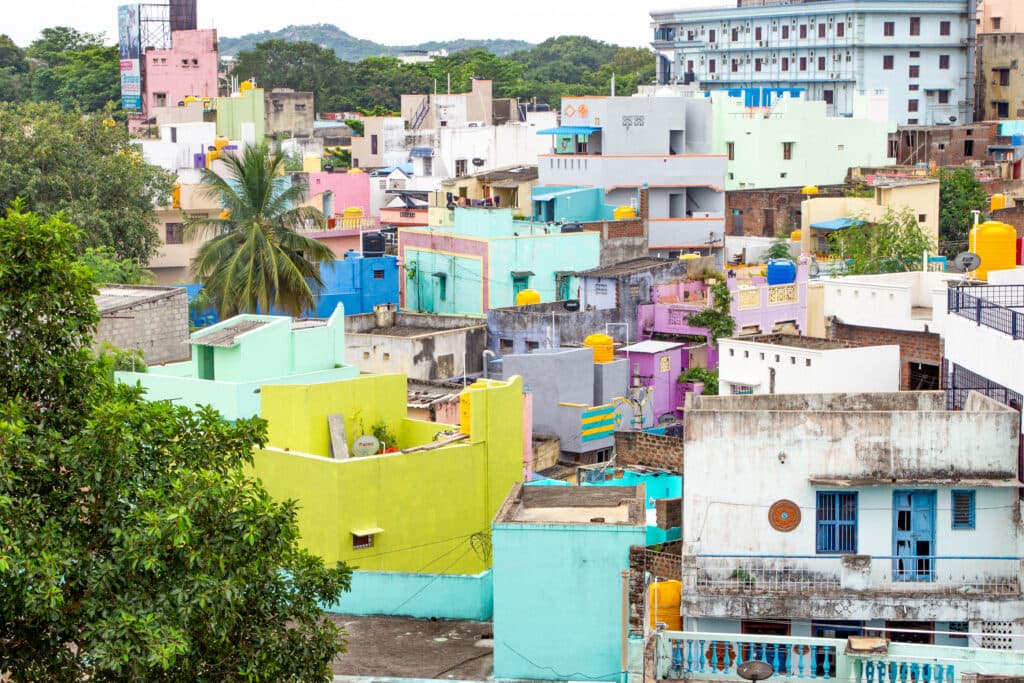
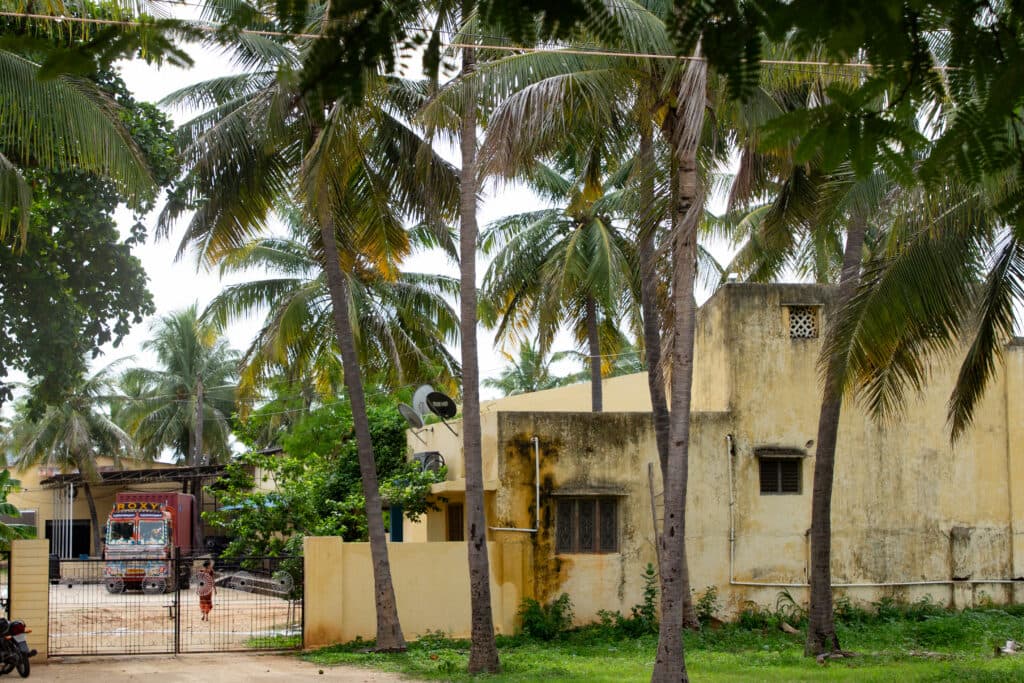
The southeastern state of Andhra Pradesh, India, is home to the “mango city” of Chittoor. Acres of mango orchards stretch across the countryside, vendors sell seasonal varieties along the streets, and dozens of factories transform the year’s harvest into export-ready pulp.
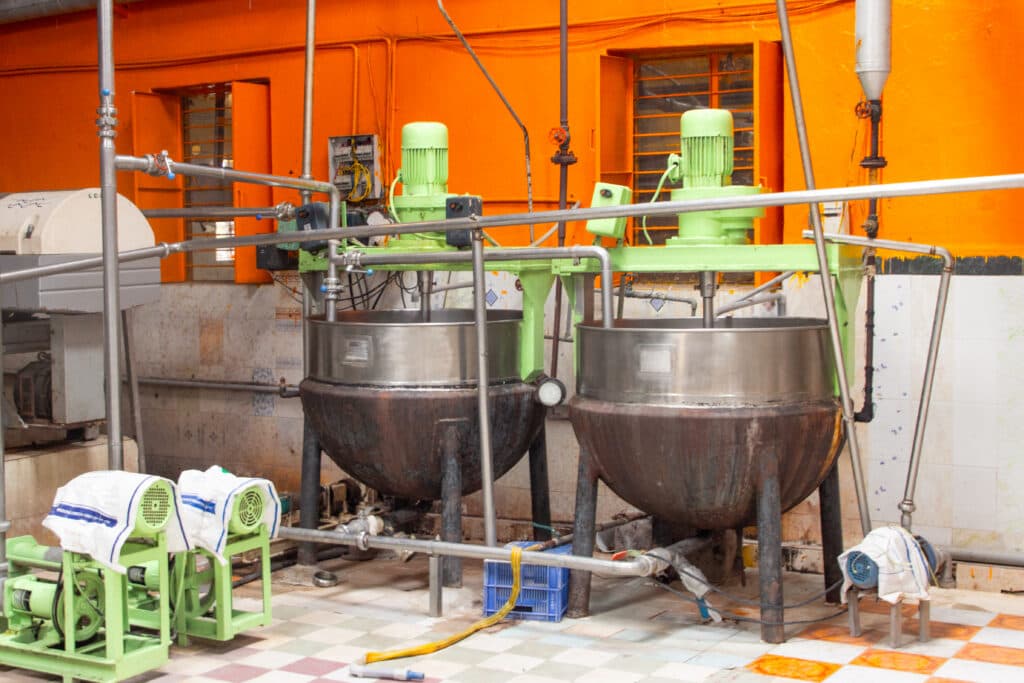
S.J. Anil Kumar is the owner of one such pulp factory. Each season, he buys tons of mangos from local farmers, ripens them and then washes, de-pits, crushes, pasteurizes and cans them.
Walking through his sprawling warehouse, he said, “It’s a very big process.”
It’s also a key part of the state’s economy. Chittoor is one of two nationwide hubs for mango pulp production.
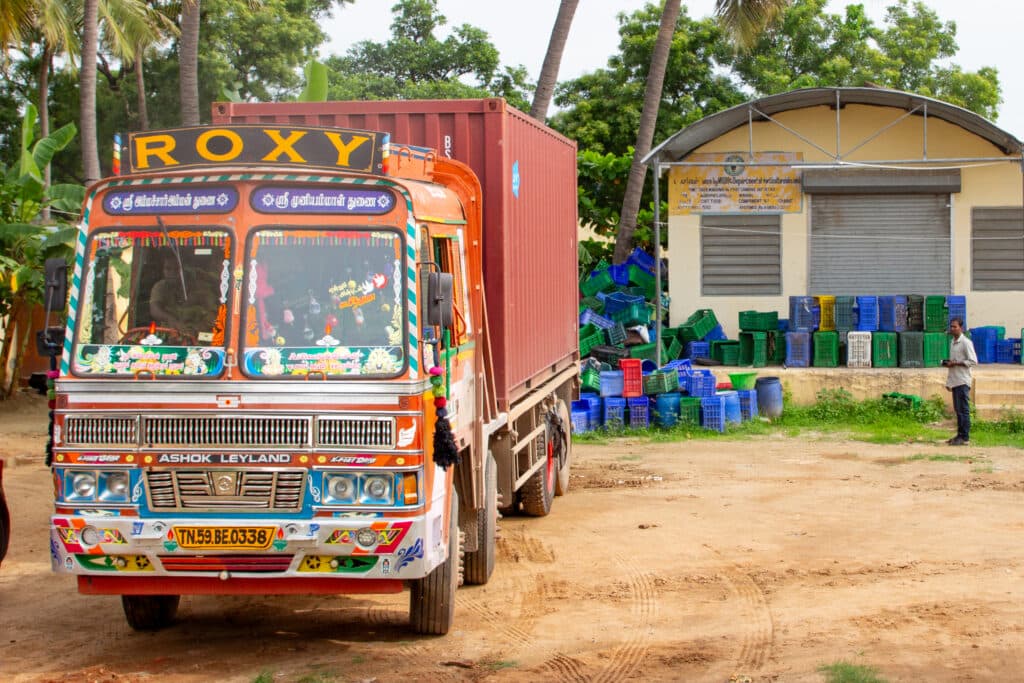
“We manufacture, regularly, 100 to 150 containers per season,” Kumar explained. “Twenty tons per container.”
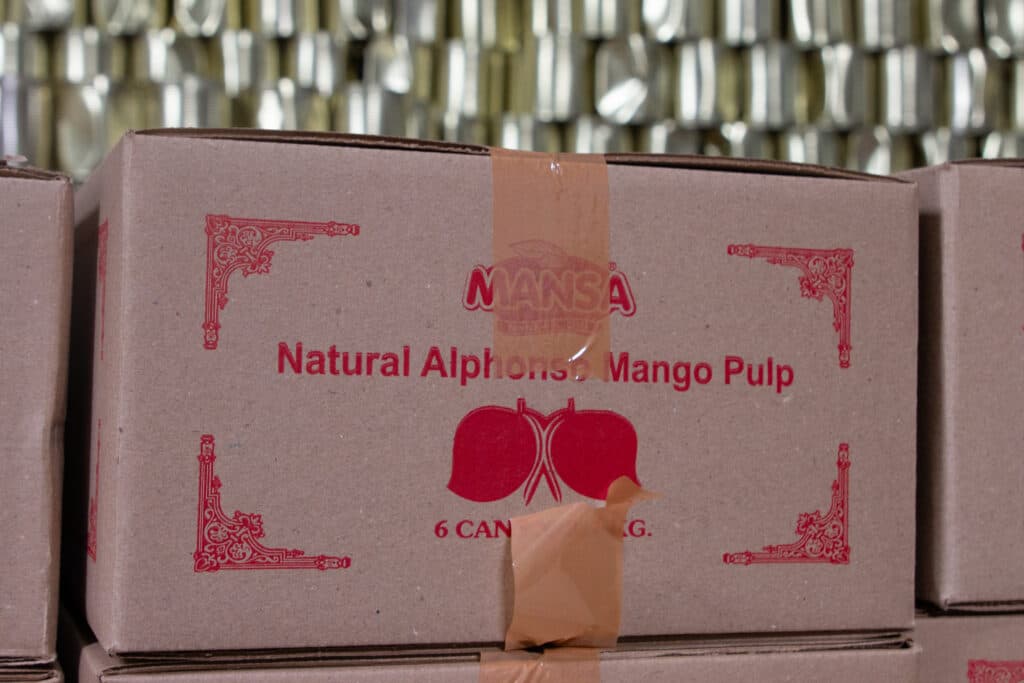
These containers of bright orange pulp are primarily shipped overseas to places like the United Arab Emirates, Europe and the US, where they are used for making milkshakes, ice cream, jams and juices. But lately, the sector has been hit hard by global conflicts and climate change.
These dual headwinds have harmed the entire supply chain — from the roughly 75,000 local farmers who grow the so-called “king of fruits,” to manufacturers like Kumar, to customers in India and abroad.
Now, industry leaders are seeking ways to stabilize the international mango market and protect this iconic Indian fruit.
Since 2023, India’s pulp manufacturers have been hit hard by global conflicts. Both the war in Ukraine and the Yemeni blockade of the Red Sea in response to Israel’s invasion of the Gaza Strip scrambled traditional trade routes and made shipping too expensive for Indian suppliers.
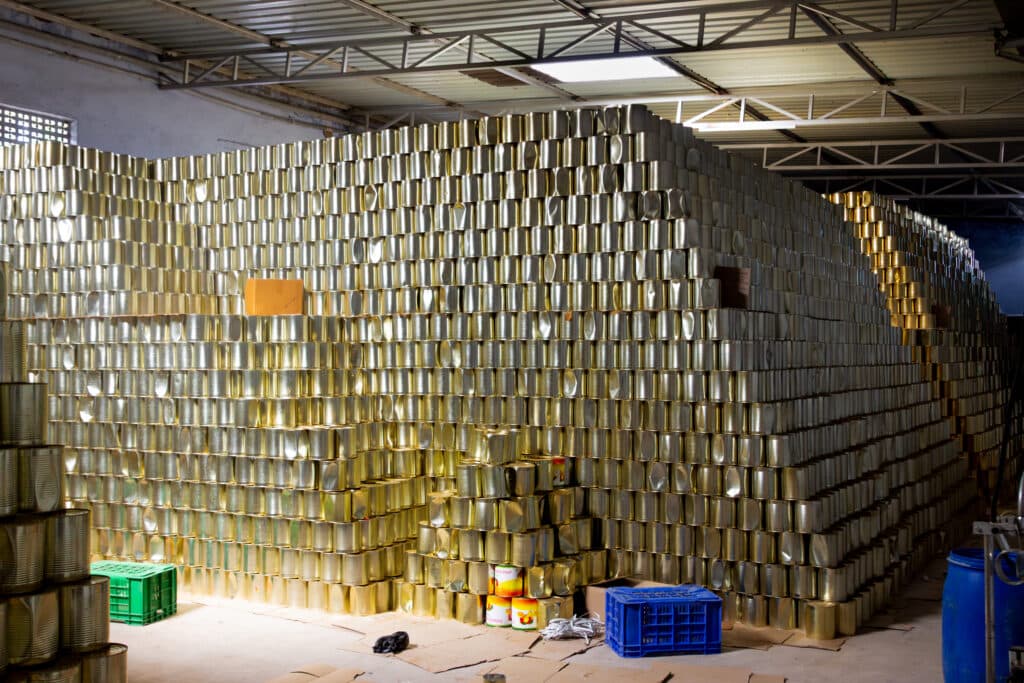
Normally, shipping containers pass through the Red Sea on the way to buyers in the Middle East, such as the United Arab Emirates. But with that no longer an option, Kumar pointed to towering stacks of mango pulp that have been collecting dust for the past two years. “All our stocks were dumped here, there were no exports,” he said.
In 2024, the All India Food Processors’ Association stated that 275,000 tons of mango pulp from the Chittoor district were not exported, which was both “disheartening and concerning.”
As a result, manufacturers are now attempting to sell both their 2025 stock, and their older pulp as well, which Kumar says is “at rock bottom prices.”
“We have [hundreds of thousands of dollars] of business losses for 2023 and 2024.”
The year 2025 has been slightly more promising for pulp manufacturers, as the ceasefire in Gaza has allowed for some renewed shipping to the Middle East.
However, just as circumstances started to ease for people like Kumar, they took a downward turn for farmers.
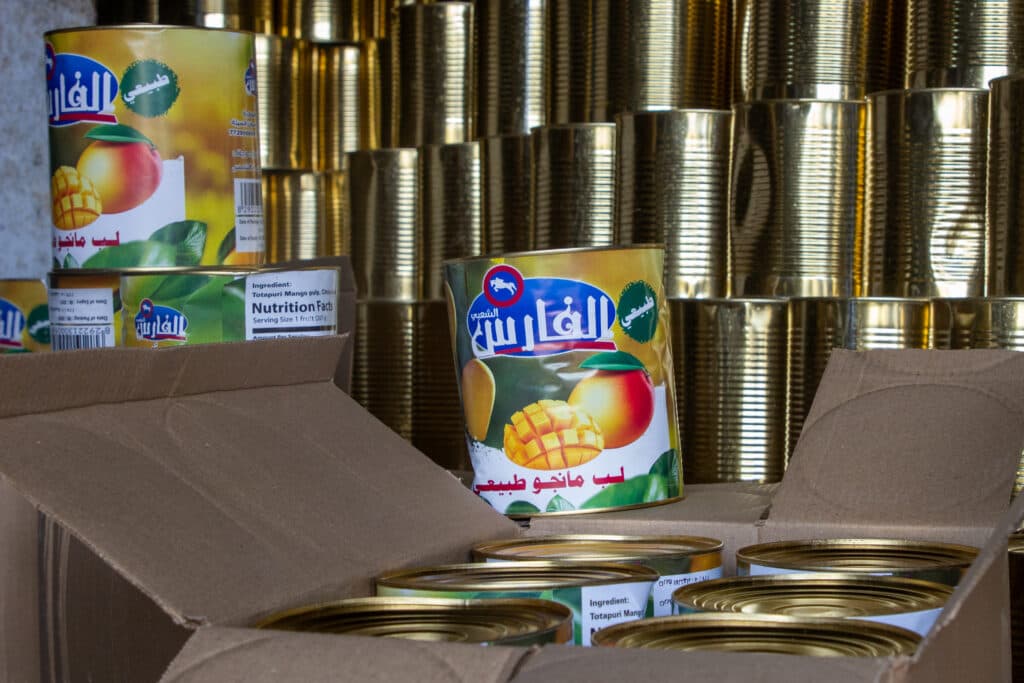
In Chittoor, the vast majority of the mangos used for pulp are the Totapuri variety, which produce a reliable year-to-year yield. However, in 2025, the harvest was actually too robust, leading to a flood of Totapuris in the market.
“The prices dropped,” said Kamatham Vishwanath Mudaliar, a local farmer with five acres of mango orchards. “We sold what we could, that’s it.”
Farmers searched for pulp factories that would be willing to purchase their mangos, but many were forced to leave their fruit rotting in their fields.
“This year, there was nothing,” Mudaliar added.
In addition to having little economic stability each season, farmers also face the growing threat of climate change. According to Srinivasa Reddy, a senior researcher at the Citrus Research Station near Chittoor, “earlier, there was a uniform distribution of rainfall,” which allowed the mango trees to thrive.
But for roughly the past five years, he said that has changed. “The total rainfall we might receive in a month, we [now] sometimes receive in one day. The intensity is very high.”
As these heavy rains seep into the mangos, they weaken the fruit’s internal fibers, leaving them mushy and unsatisfying.
Shifts in the mango season cause other problems, as well. Usually, hot days and cooler nights in late fall trigger mango trees to start flowering. But according to Reddy, there are fewer cool nights now, so some trees are flowering in February instead of December.
All of these changes have introduced a host of new insects and fungal threats to the Chittoor mango. For example, Litchi Looper, a type of caterpillar not previously found in the state, is now a sustained threat.
In response, farmers are using more pesticides. Reddy said that a decade ago, Chittoor farmers sprayed their trees one to two times each year. “Now, the average number of sprays for the Chittoor farmer is four to five.”
For customers, more pesticides can mean less flavor.
One Chittoor physician, who requested to go only by Pradeep, shared that he longs for the taste of mangos from his youth. “When we [were kids], that kind of taste is [missing].” As for future generations, he believes “our children will not get [to experience] that [same] taste.”
In 2025, government officials took some action to support Chittoor’s struggling mango industry.
They offered “fruit covers” for table mangos (the kind not used for pulp), which shield each mango from rain and bugs. And for farmers of Totapuri mangos (used for pulp), officials offered a small subsidy of less than one cent for every two pounds of fruit.
But some stakeholders, like Kattamanchi Govardhan Bobby, feel greater action is needed. Bobby is a regional chairman of the All India Food Processors Association, and is strategizing ways to strengthen the domestic mango market. One idea is a new marketing campaign.
“We’ve started one logo,” Bobby said. “Sip mango, skip doctor.” It’s a spin on the old proverb, “an apple a day keeps the doctor away.”
Bobby also suggested that the Indian government form an official board to set a consistent price for mangos, to keep the market fair for the farmers.

And while he agrees that climate change is an issue, he prefers to focus on what people can control.
“We will not worry about the weather,” he said. “We are [however] worrying about the war[s].”
As for other pulp manufacturers, like Anil Kumar, between global events, climate change and economic fluctuations, they simply do their best to respond to the challenge of the moment.
“If we say this season will be good, it will be very bad. If we say this will be a very bad season, it will be good,” Kumar said.
So, rather than making predictions, Kumar plans to keep a close eye on the mango trees — which could start blooming in just a few weeks.
And come June, he hopes that will result in a good crop.