Hillary Clinton in Islamabad, Pakistan, for surprise visit
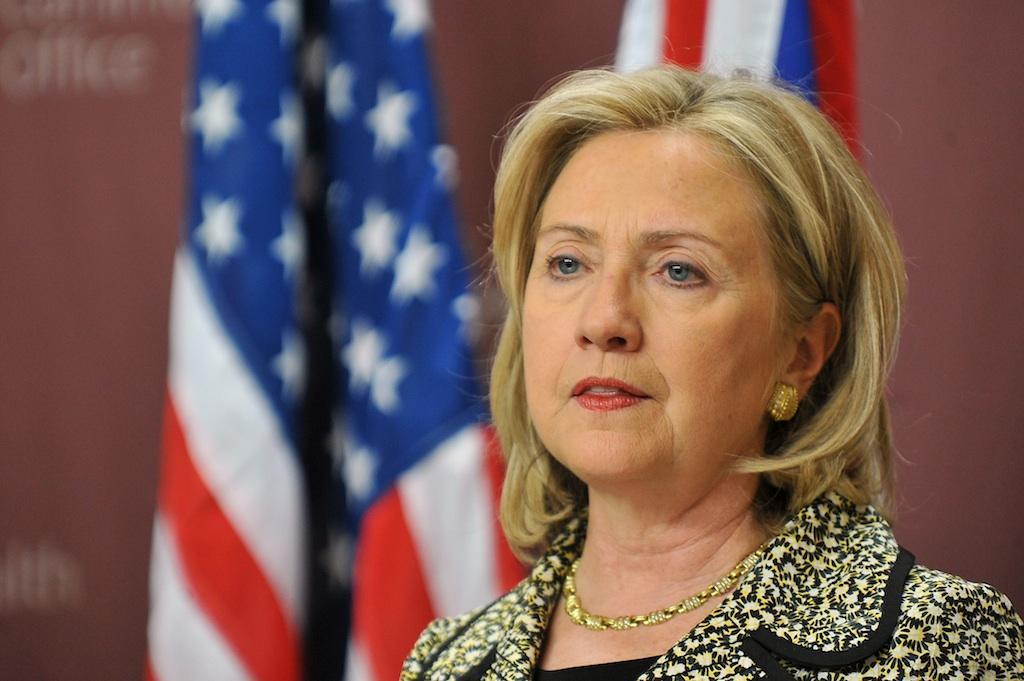
U.S. Secretary of State Hillary Clinton speaks during a press conference in London on May 23, 2011.
U.S. Secretary of State Hillary Clinton arrived in Islamabad, Pakistan, Friday morning on a surprise visit aimed at soothing tensions between the two allies, BBC reports.
The trip comes at a time of particularly heightened tension between the United States and its ally Pakistan.
A U.S. raid that captured and killed Al Qaeda leader Osama bin Laden on May 2 frayed relations between the two countries. The finding of bin Laden just 30 miles from Pakistan's capital Islamabad raised concerns about Pakistan's competence and credibility as a partner in U.S. efforts to fight Islamic militancy.
Pakistan welcomed the death of bin Laden but criticized the United States for breaching its sovereignty.
Clinton's visit is the first such high-level visit to Pakistan since the killing.
Clinton has pressured Pakistan to act more decisively against terrorists, but she has also stressed that the United States needs it as an ally, calling Pakistan a "good partner," Reuters reports.
"We do have a set of expectations that we are looking for the Pakistani government to meet but I want to underscore, in conclusion, that it is not as though they have been on the sidelines," Clinton said in Paris on Thursday, it states.
Chairman of the U.S. Joint Chiefs of Staff Admiral Mike Mullen has accompanied Clinton on the visit, and the two leaders are expected to put more pressure on Pakistan to support the United States as it fights Al Qaeda and Taliban militants, reports BBC.
The pair will meet with Pakistani President Asif Ali Zardari, Army Chief of Staff Gen. Pervaiz Kayani and Lt. Gen. Shuja Pasha, head of Pakistan's Inter-Services Intelligence Agency, states CNN.
Officials told CNN Clinton and Mullen will demand that Pakistan go after senior Al Qaeda targets, take action against factors producing explosive devices used against American troops and support Taliban reconciliation.
The story you just read is accessible and free to all because thousands of listeners and readers contribute to our nonprofit newsroom. We go deep to bring you the human-centered international reporting that you know you can trust. To do this work and to do it well, we rely on the support of our listeners. If you appreciated our coverage this year, if there was a story that made you pause or a song that moved you, would you consider making a gift to sustain our work through 2024 and beyond?