Pirates now hitting West African coast
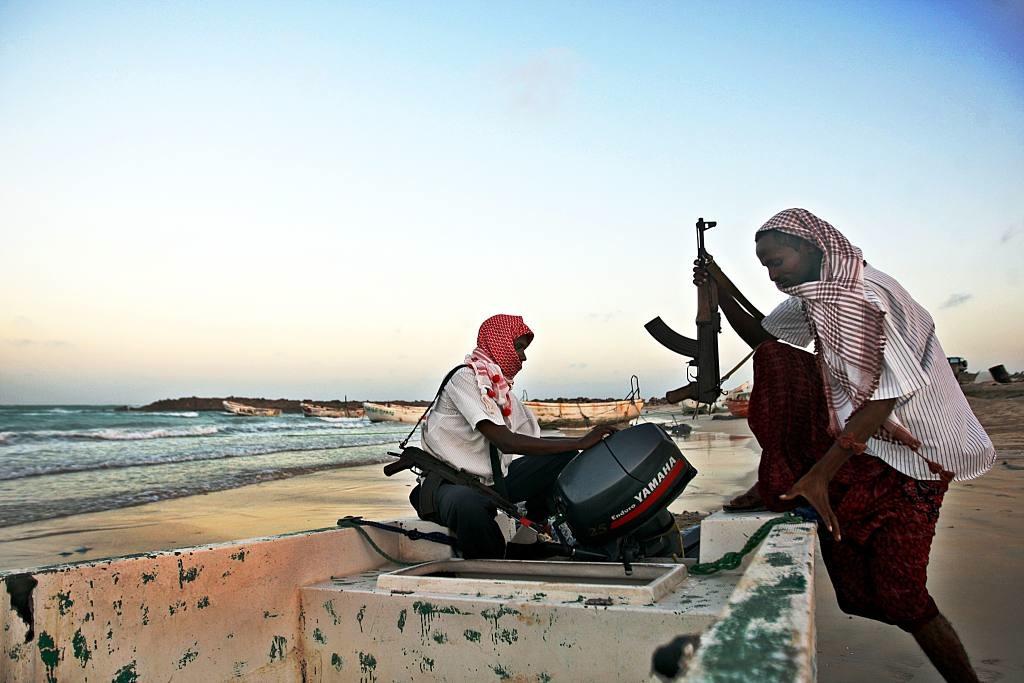
Pirates utilize the hidden coves and lack of marine patrol in the Gulf of Guinea to attack ships headed to and from rich port cities in West Africa. Unlike these Somali pirates seen preparing their boat for attacks, the Gulf of Guinea pirates do not usually hold ships for ransom.
Shipping around Africa is getting more dangerous.
There has been a lot of news about the piracy off the East African coast of Somalia. But now there is an upsurge of piracy on the West Africa coast.
Armed pirates raided a tanker in the Atlantic Ocean, off the coast of Benin, on Wednesday. The pirates kidnapped 23 sailors and sailed off with the vessel, according to AP.
This is not a fluke. The Atlantic Ocean waters off West Africa are increasingly at risk of piracy, according to an international monitoring group.
The pirates boarded the tanker as it idled about 62 nautical miles from Benin's capital of Cotonou, reported the International Maritime Bureau, which tracks piracy worldwide. Pirates struck as the Cyprus-flagged vessel tried to transfer its cargo of crude oil to a Norwegian-registered ship, said Cyrus Mody, a manager at the the bureau. The pirates sailed off with the crew to an unknown location, Mody said.
The same gang of pirates attacked the Norwegian ship but the crew locked themselves in a strong room and waited for the attackers to leave, said Mody.
Piracy in West Africa's Gulf of Guinea has over the last eight months escalated from low-level armed robberies to hijackings, cargo thefts and large-scale robberies, according to the Denmark-based security firm Risk Intelligence.
Last month the London-based Lloyd's Market Association, an umbrella group of insurers, ranked Nigeria, neighboring Benin and the nearby sea in the Gulf of Guinea in the same risk category as Somalia, where two decades of war and anarchy have allowed piracy to flourish.
In fact West Africa may be even more dangerous because pirates appear more willing to use violence, beating crew members and shooting and stabbing those who get in the way. Analysts believe many of the pirates come from Nigeria, where corrupt law enforcement allows criminality to thrive.
Take a look at the International Maritime Bureau's fascinating live map of piracy worldwide.
Every day, reporters and producers at The World are hard at work bringing you human-centered news from across the globe. But we can’t do it without you. We need your support to ensure we can continue this work for another year.
Make a gift today, and you’ll help us unlock a matching gift of $67,000!