Zebrafish study helps shed light on autism, schizophrenia and obesity
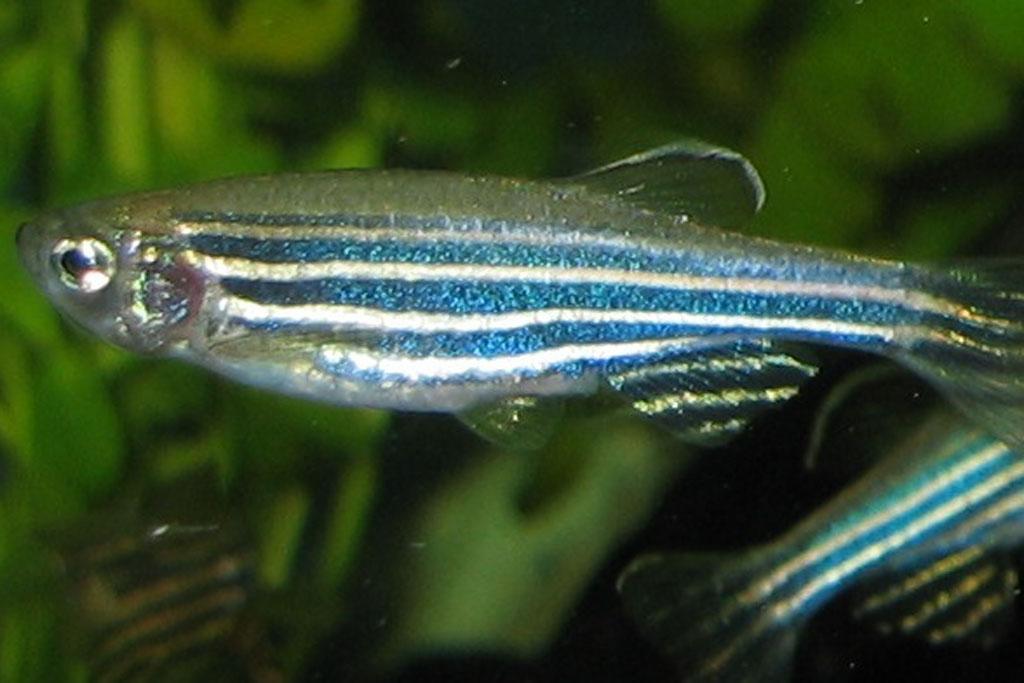
Gene isolation in zebrafish may help shed light on autism, says a new study.
Human gene isolation in zebrafish may help shed light on autism, says a new study.
Researchers at Duke University inserted a set of human genes into a zebrafish and then used it to identify genes responsible for head size at birth.
The size of a baby's head is often related to conditions such as autism and schizophrenia, said Medical XPress.
"In medical research, we need to dissect events in biology so we can understand the precise mechanisms that give rise to neurodevelopmental traits," said one study author Nicholas Katsanis, of Duke University, reported Science Codex.
Read more on GlobalPost: Autism study finds 10% of child sufferers 'bloom' and overcome condition
"We need expert scientists to work side by side with clinicians who see such anatomic and other problems in patients, if we are to effectively solve many of our medical problems."
The researchers were able to find the gene in zebrafish that controls head size and subsequently find the analagous gene in humans.
The hope is to find the genetic cause of psychiatric diseases like autism as well as obesity.
"This gene contributes to autism cases, and probably is associated with schizophrenia and also childhood obesity," Katsanis said, according to Science Daily.
Autism affects about 1 in 88 children in the United States.
The study was published online in the journal Nature.
The story you just read is accessible and free to all because thousands of listeners and readers contribute to our nonprofit newsroom. We go deep to bring you the human-centered international reporting that you know you can trust. To do this work and to do it well, we rely on the support of our listeners. If you appreciated our coverage this year, if there was a story that made you pause or a song that moved you, would you consider making a gift to sustain our work through 2024 and beyond?