Riyad Hijab: Who is the former Syrian Prime Minister?
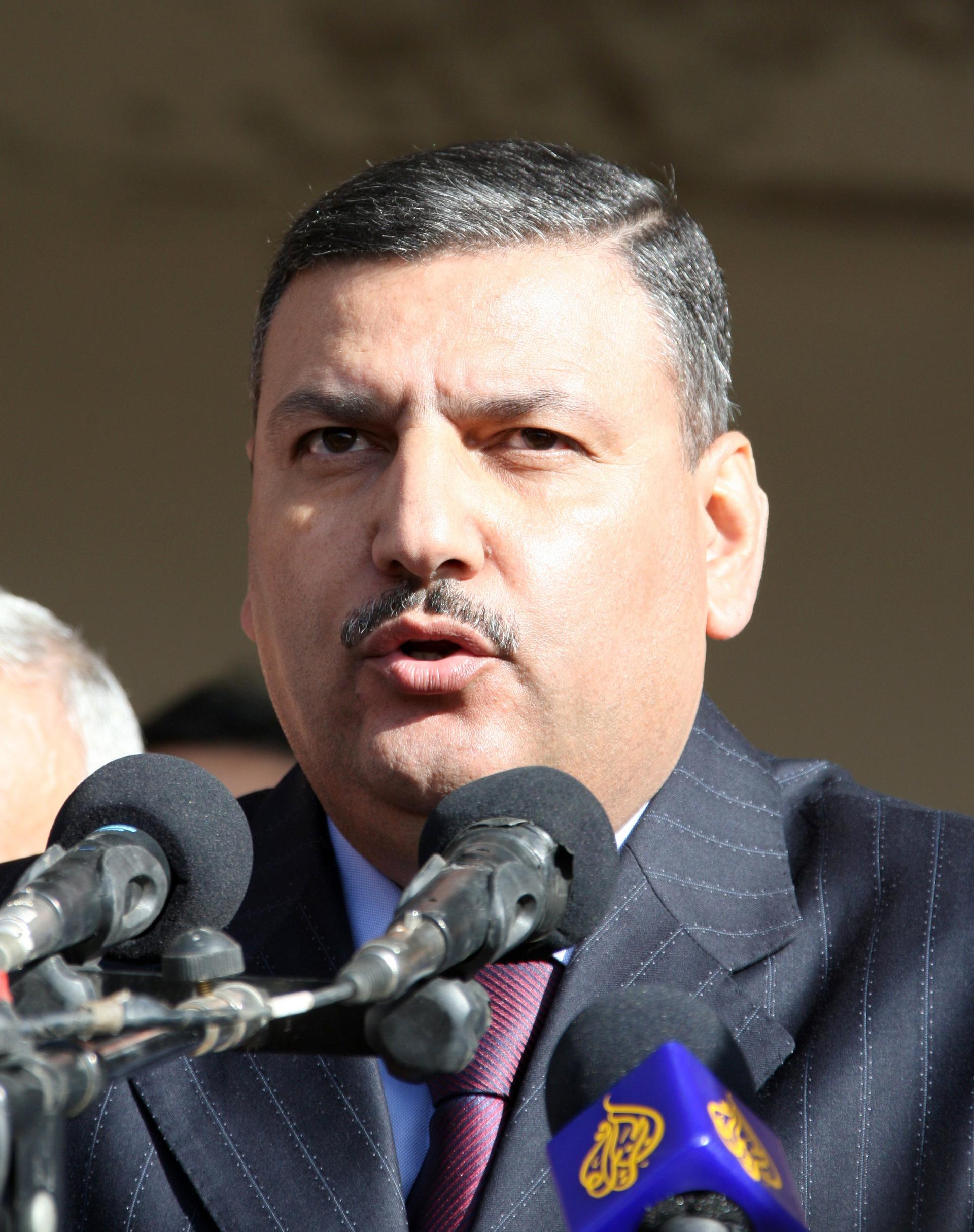
A November 24, 2008, shows Riad Hijab, then Syria’s agriculture minister, speaking during a visit to Quneitra. Promoted to prime minister in June, he fled to Jordan on August 6, 2012.
Two months ago — 15 months into Syria's civil war — Riyad Hijab was named Syrian Prime Minister.
On that occasion in June, the BBC called him "a staunch Assad loyalist and a key member of the ruling Baath Party."
Today, just eight weeks later, Riyad Hijab defected to Jordan, according to his spokesman.
"I announce today my defection from the killing and terrorist regime and I announce that I have joined the ranks of the freedom and dignity revolution. I announce that I am from today a soldier in this blessed revolution," said a Hijab spokesman on Al Jazeera, reading on Hijab's behalf.
The Guardian thinks Hijab may have been influenced by increasing anti-regime sentiment in his home area of Deir al-Zour, which is near the Iraq border. Hijab, though a member of the ruling Baath party, is Sunni Muslim. Many senior defectors have been Sunni. Assad is Allawite.
We also know that Riyad Hijab is married with four children and has a PhD in agriculture. But these scraps of information hardly reveal the person who to date is the highest-ranking civilian official to defect form Assad's beleaguered regime.
So, who is Riyad Hijab?
Here are the few other details we know so far, according to information from Al Jazeera and the BBC:
1966: Born in in Deir al-Zour, eastern Syria.
1998: Joined the Ba'ath Party in 1998.
2008: Named governor of the southern province of Qunaytira.
Date unknown: Transferred to run the Latakia, Syria governorate after protests were first reported. State media credits Hijab with negotiating an end to a sit-in.
April, 14 2011: Appointed minister of agriculture, one month after anti-government protests began.
June 2012: One month after parliamentary elections, appointed prime minister. Opposition supporters boycotted the elections.
Aug. 6, 2012: Defected from the government and left for Jordan with his family.
The story you just read is accessible and free to all because thousands of listeners and readers contribute to our nonprofit newsroom. We go deep to bring you the human-centered international reporting that you know you can trust. To do this work and to do it well, we rely on the support of our listeners. If you appreciated our coverage this year, if there was a story that made you pause or a song that moved you, would you consider making a gift to sustain our work through 2024 and beyond?