Canada’s glaciers in an irreversible melt, say scientists
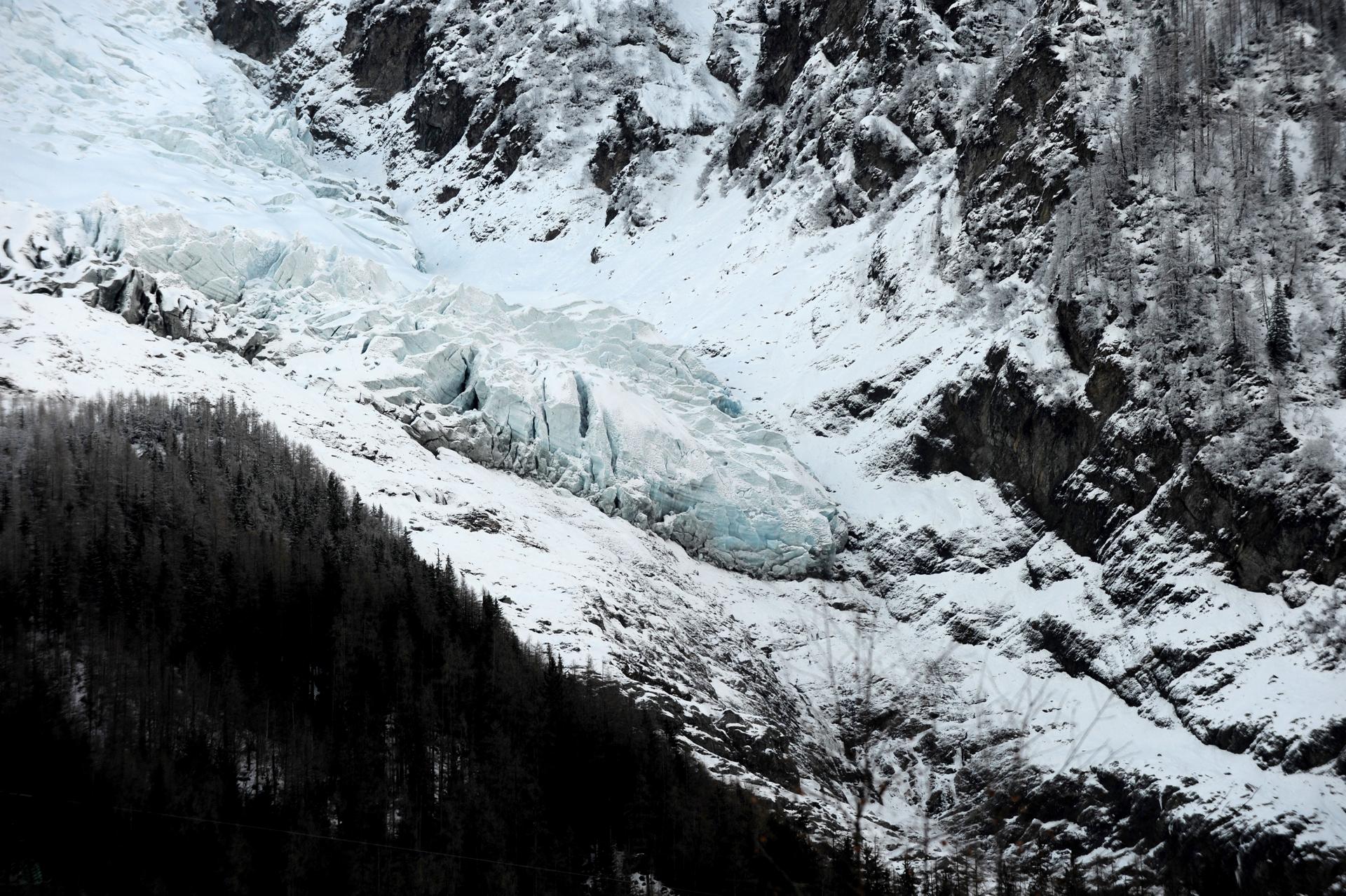
Scientists say that Canada’s glaciers may be melting irreversibly, pushing up global sea levels.
Canada's glaciers are melting rapidly, threatening to speed up sea level rise around the world, according to scientists.
Canadian glaciers are the third biggest store of ice on Earth after Antarctica and Greenland.
Reuters reported that scientists estimate that 20 percent of the ice on Canada's northern archipelago could disappear by the end of the 21st century.
That melt could help push global sea levels up 1.4 inches, reported the New Scientist.
"Even if we only assume moderate global warming, it is still highly likely that the ice is going to melt at an alarming rate," lead author Jan Lenaerts of the University of Utrecht said in a statement, reported News 24.
More from GlobalPost: New study links extreme weather to climate change
Canada's glaciers have had comparatively little study despite their enormous impact.
"These glaciers are a significant part of the whole equation and of future sea level rise," David Vaughan, head of the ice2sea program for studying global warming based at the British Antarctic Survey in England, told Reuters.
"We can't afford to ignore them."
The researchers' predictions regarding Canadian glaciers were based on a temperature increase of 37.4F, much less of an increase some scientists say will actually occur, meaning that predictions could be underestimated.
The findings were published in the journal Geophysical Research Letters.
Every day, reporters and producers at The World are hard at work bringing you human-centered news from across the globe. But we can’t do it without you. We need your support to ensure we can continue this work for another year.
Make a gift today, and you’ll help us unlock a matching gift of $67,000!