Science

Ontario approves $15 billion plan to build small modular nuclear reactors
As part of The Big Fix series, Host Carolyn Beeler speaks with Chris Bataille, a fellow at the Center on Global Energy Policy at Columbia University’s School of International and Public Affairs, about the state of small modular nuclear technology and Ontario’s plans to construct four of these new reactors.


New project seeks to solve housing crisis using mushroom byproduct and troublesome weed
In Namibia, MycoHAB is hoping to solve two issues for the price of one: make use of a pesky plant known as the encroacher bush and deal with the country’s housing crisis. By harvesting the water-intensive weeds that encroach on farmland and combining them with a mushroom byproduct known as mycelium, MycoHAB founder and architect Chris Maurer creates bricks to build homes. The World’s Carolyn Beeler spoke to Maurer to learn more.

A total solar eclipse in Mazatlán draws thousands of international tourists
A total solar eclipse made its way across Mexico, the US and Canada on April 8. The city of Mazatlán, on the Pacific coast of Mexico, was the first place in continental North America on the path of totality, and more than half a million people traveled there to see it. The World’s Tibisay Zea reports on how residents and visitors have experienced the celestial event.
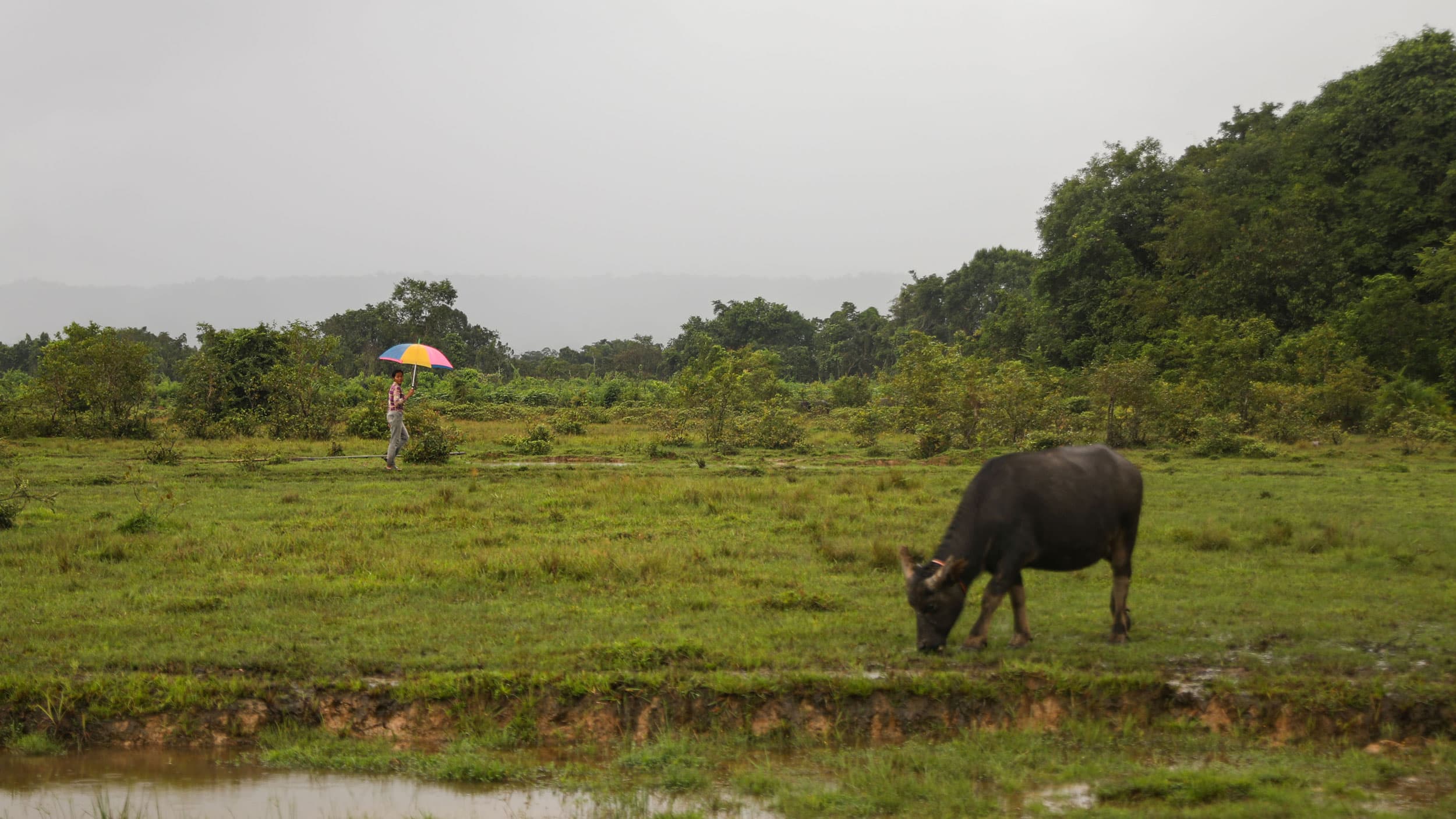
‘It’s a lose-lose situation’: Carbon ‘offset’ project in Cambodia accused of human rights violations
Companies around the world try to make up for their carbon emission by purchasing “offsets,” financing projects intended to preserve forests or otherwise compensate for their emissions. In Cambodia, Human Rights Watch recently issued a report about violations against Indigenous people in a carbon offset program in the Cardamom mountains.


Hazy skies over Accra: Harsh harmattan season in Ghana leads to health hazards, poor air quality
Severe, dry winds during the harmattan season are not new in Ghana. But experts with the country’s environmental agency say climate change is intensifying these weather conditions, leading to increased respiratory problems and poor air quality in Accra, the country’s capital.