Breathprint could see revolution in treatment and medicine
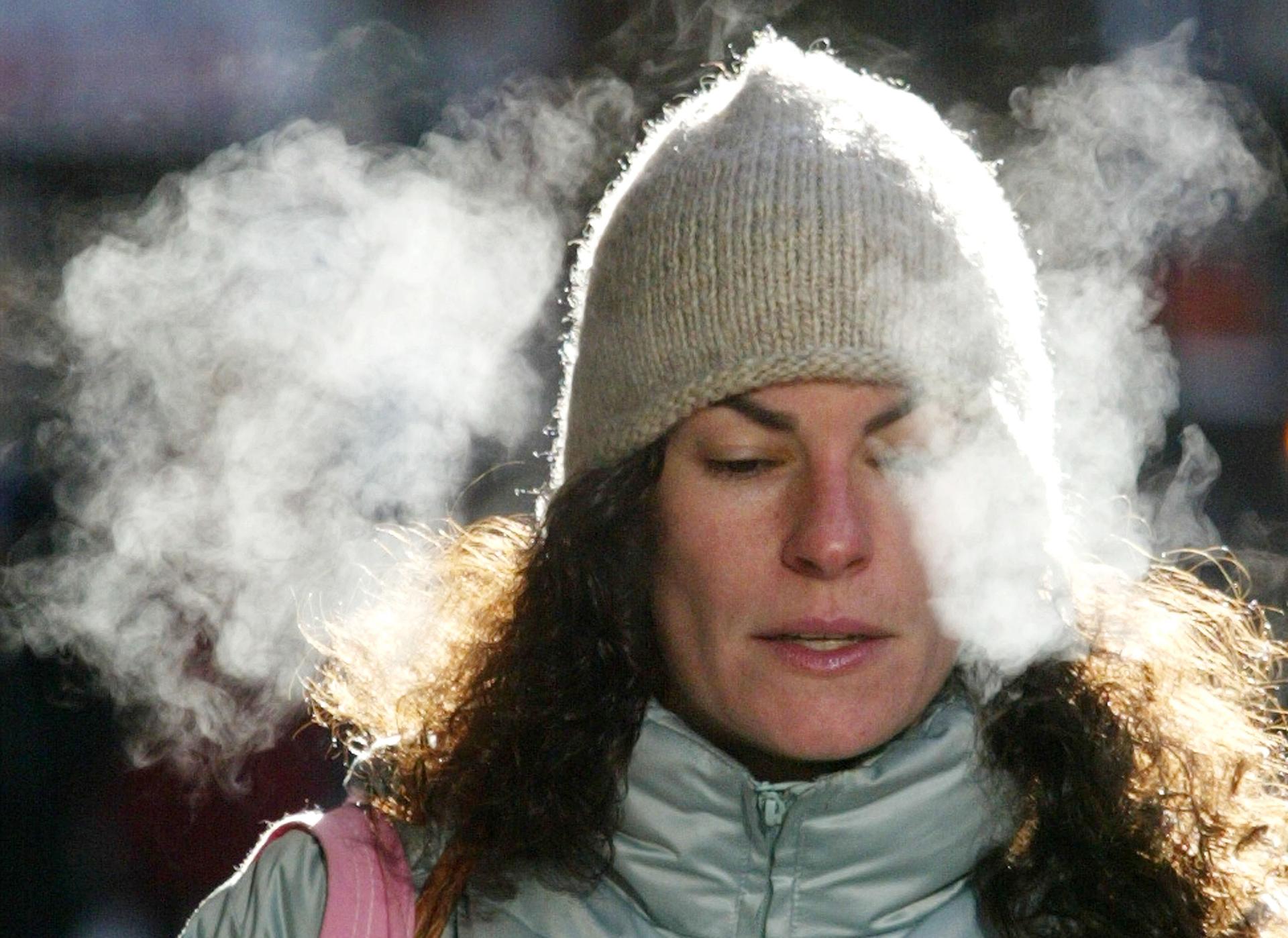
Scientists have developed a way to take a ‘breathprint’ which could help diagnose illness in the future with a non-evasive test.
The molecular structure of our breath could lead to a new form of fingerprint called a 'breathprint' researchers say.
The compounds in an exhaled breath are unique to each person, allowing for a better diagnosis of illness.
The finding could help further treatment specific to the individual and his or her body chemistry.
Swiss researchers used a technique known as mass spectrometry that separates and tracks the patterns of molecules by measuring their mass.
Eleven subjects were tested and researchers found that all had unique molecular structures in their breath.
More from GlobalPost: Gate to hell found in southwestern Turkey (VIDEO)
While some metabolites were similar in all the subjects, other patterns began to emerge.
For instance, some people had more acetone, while another metabolite appeared in someone who was taking epilepsy medication.
It is now up to scientists to better understand patterns in the breath to find illnesses.
The findings were published in the PLoS One.
The article you just read is free because dedicated readers and listeners like you chose to support our nonprofit newsroom. Our team works tirelessly to ensure you hear the latest in international, human-centered reporting every weekday. But our work would not be possible without you. We need your help.
Make a gift today to help us reach our $25,000 goal and keep The World going strong. Every gift will get us one step closer.