
Josh Coe is a producer for The World based in Boston. He joins The World from The GroundTruth Project, where he worked on three seasons of the award-winning GroundTruth Podcast as well as edited and reported stories covering a range of topics including geopolitics, nuclear policy, immigration, the 2020 elections and extremism.His bylines can be found in English, German and Albanian-language publications such as The Boston Globe, The GroundTruth Project, Qiio Magazin and the Albanian Centre for Quality Journalism.Josh is a graduate of Emerson College, where he majored in Journalism and minored in both Global Studies and Creative Writing. He speaks German and can survive in French.

‘Four Mothers’ examines motherhood across the globe
In her new book, “Four Mothers: An Intimate Journey Through the First Year of Parenthood in Four Countries,” journalist Abigail Leonard explores the experience of parenting across different cultures. She joins The World’s host, Carol Hills, to share what she witnessed.




Growing number of governments using counterterrorism to justify targeting dissidents abroad
A growing number of countries repressing dissidents beyond their own borders includes a NATO ally of the US: Turkey. A Washington Post report finds that the tactics and language justifying these actions are pulled from the post-9/11 counterterrorism playbook. Host Marco Werman speaks with Fionnuala Ni Aolain, a former UN special rapporteur on human rights and counterterrorism.

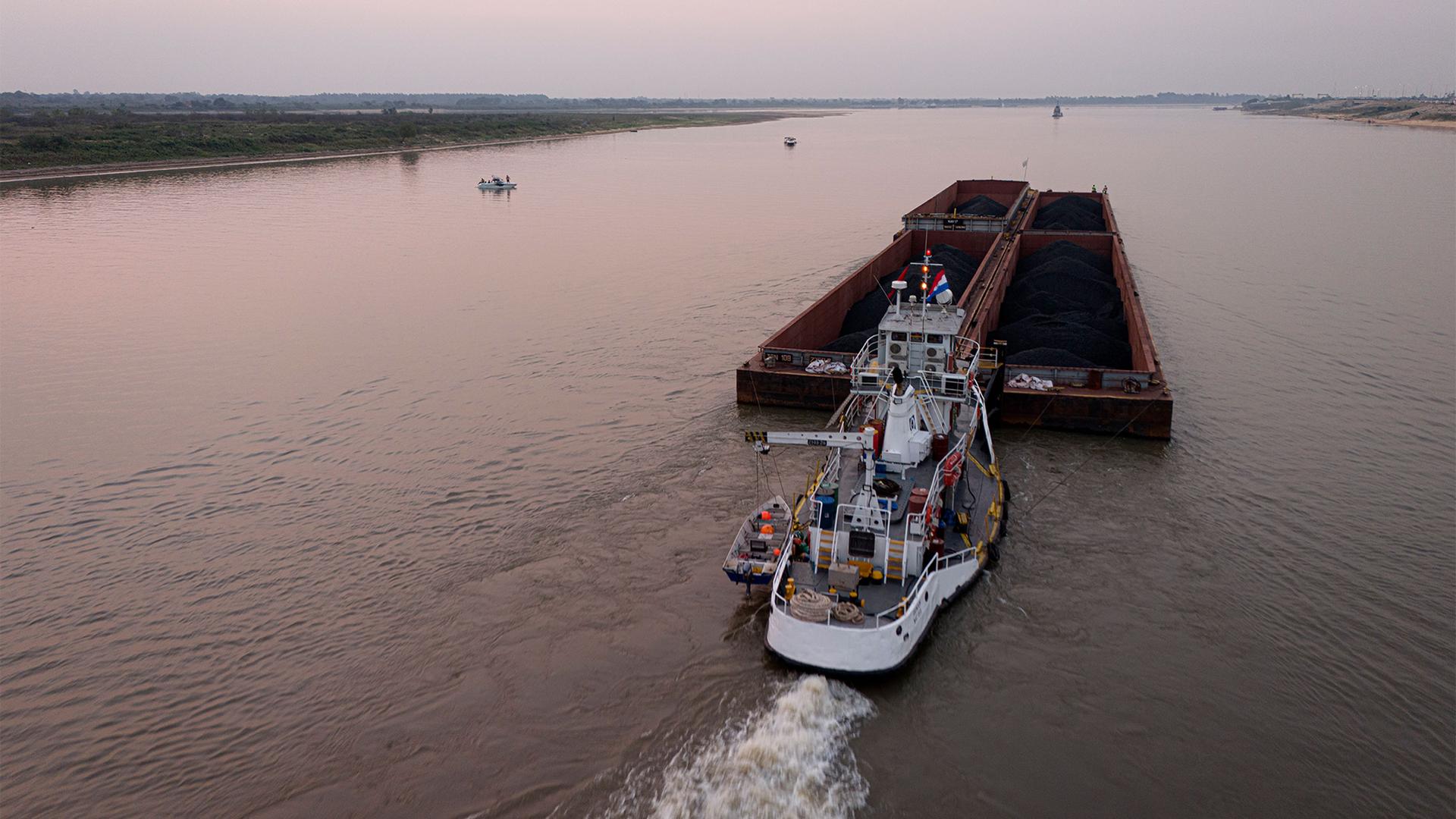
A rise in water-related conflicts around the world
The past couple of years have seen a major uptick in water-related conflicts globally. Peter Gleick of the Pacific Institute is attending World Water Week in Stockholm and speaks with The World’s Host Carolyn Beeler about the role water plays in global conflict.
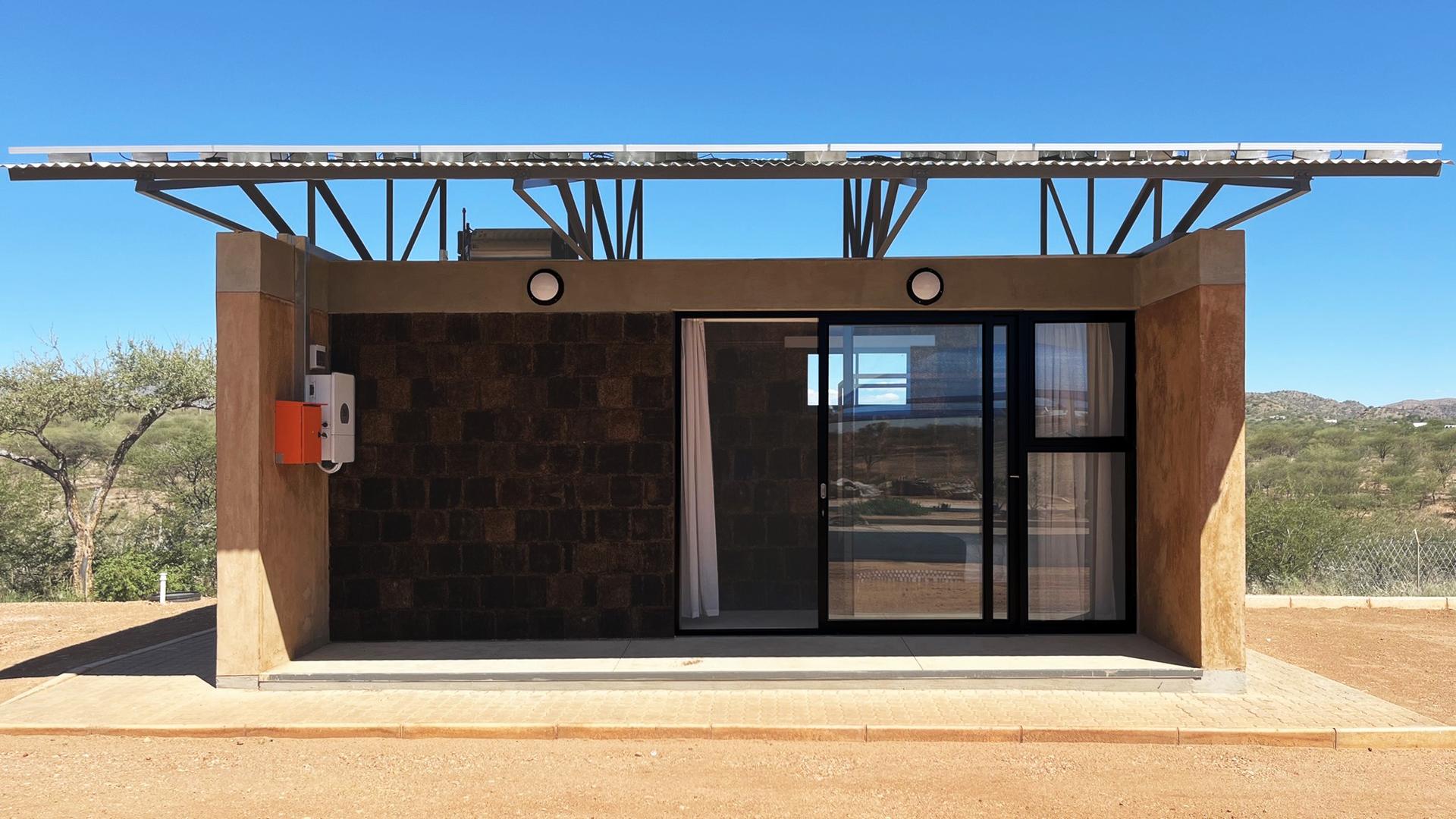
New project seeks to solve housing crisis using mushroom byproduct and troublesome weed
In Namibia, MycoHAB is hoping to solve two issues for the price of one: make use of a pesky plant known as the encroacher bush and deal with the country’s housing crisis. By harvesting the water-intensive weeds that encroach on farmland and combining them with a mushroom byproduct known as mycelium, MycoHAB founder and architect Chris Maurer creates bricks to build homes. The World’s Carolyn Beeler spoke to Maurer to learn more.