economy

A tiny Himalayan nation’s big crypto gamble
Bhutan has emerged as an unexpected player in the world of cryptocurrency. The Himalayan kingdom holds the fourth-largest state-owned stockpile of Bitcoin in the world. Its decision to capitalize on the trend has also provided a lifeline for the country’s struggling economy.


We want to hear your feedback so we can keep improving our website, theworld.org. Please fill out this quick survey and let us know your thoughts (your answers will be anonymous). Thanks for your time!

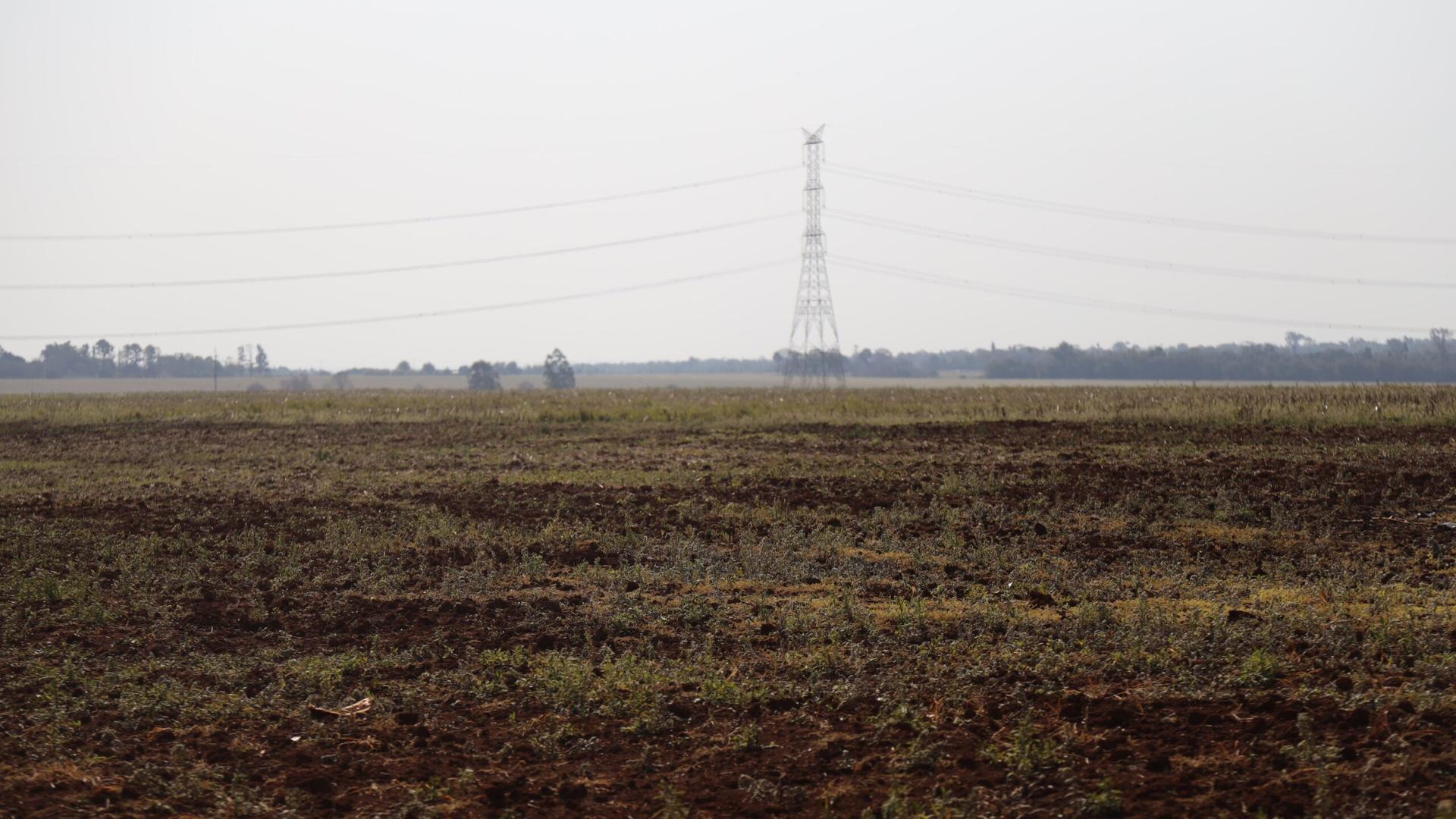
Paraguay’s soy bonanza leaves small farmers in the cold
The tiny landlocked South American country of Paraguay is one of the top soy producers on the planet. Soy is the country’s top export and it accounts for a major chunk of the country’s gross domestic product. But the soy explosion has wreaked havoc on Paraguay’s ecosystem and been a disaster for many small farmers whose farms have been inundated with pesticides from neighboring soy plantations.
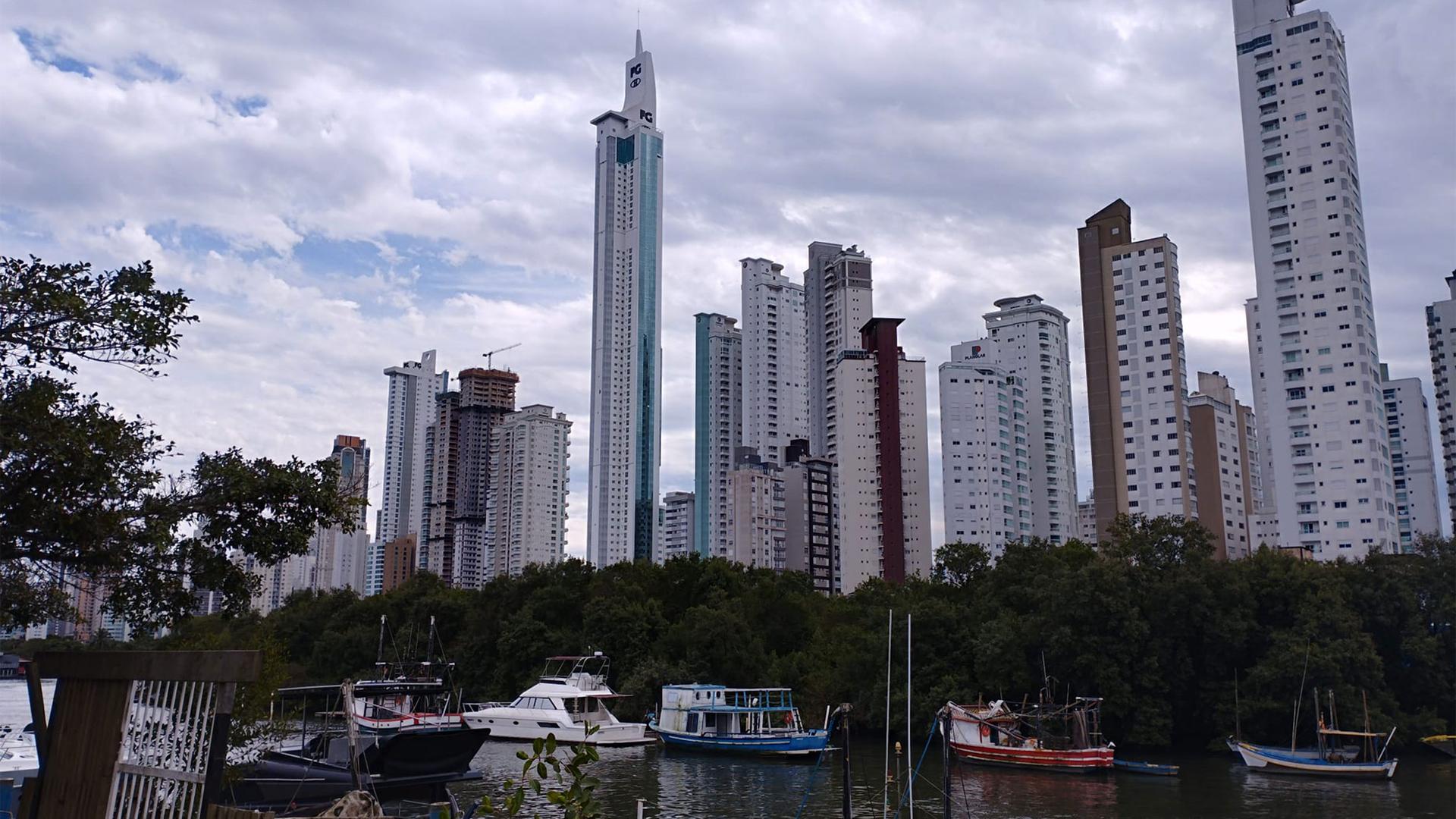
Move over Orlando, Brazil’s Balneário Camboriú is on the rise
Balneário Camboriú is known as Brazil’s Dubai for the rows of skyscrapers that line the beachfront. It’s home to the three tallest buildings in Brazil. But there’s another city that Balneário Camboriú seems to be increasingly emulating: Orlando, Florida, for its theme parks.
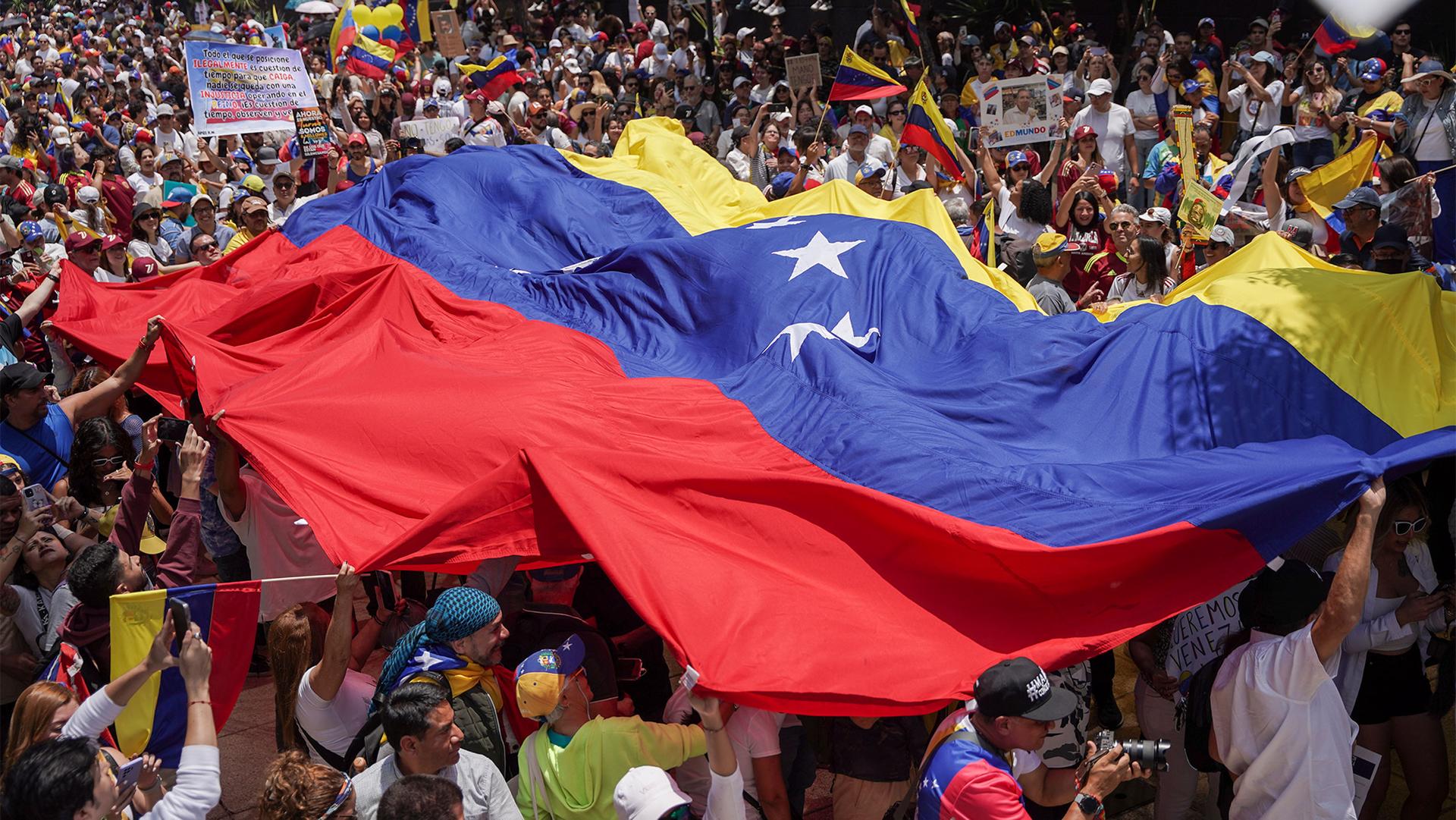
Nearly half of Venezuelans are considering leaving the country in the coming months, poll says
The possibility of Venezuelan President Nicolas Maduro retaining power is motivating many Venezuelans to leave, according to a recent survey. But a new stream of Venezuelan migration could have serious consequences for Latin America, the US-Mexico border, and even the US presidential race.

Subscribe to The World’s Latest Edition podcast for free using your favorite podcast player: