Public radio’s longest-running daily global news program.
©2026 The World from PRX
PRX is a 501(c)(3) organization recognized by the IRS: #263347402.

In the fast-paced world of electric vehicles, budget flights and self-driving cars, sleeper trains might seem like something of a relic. In fact, for most of the 21st century, fewer people around the world have been opting to take overnight train rides. But over the past couple of years, a surprising trend has emerged: Sleeper trains are making a comeback.
Travelers exit the train upon their arrival from Berlin at Gare de l’Est train station in Paris, France, Dec. 12, 2014. German railway company Deutsche Bahn ended the sleeper service between Paris and Berlin, citing unsustainable losses, a service that had been running since before World War II, and used to go all the way to Moscow.
For much of the 19th and 20th centuries, the overnight train reigned supreme in international travel, especially in Europe and parts of Asia. Fall asleep in one city and wake up in another — what could be better?
But in the late 1990s and early 2000s, everything changed. The rise of budget airlines, epitomized by companies like Ryanair, turned the travel landscape on its head. Travelers no longer needed to board a train for a lengthy overnight trip. They could just hop on a plane and get to their destination quickly and cheaply.
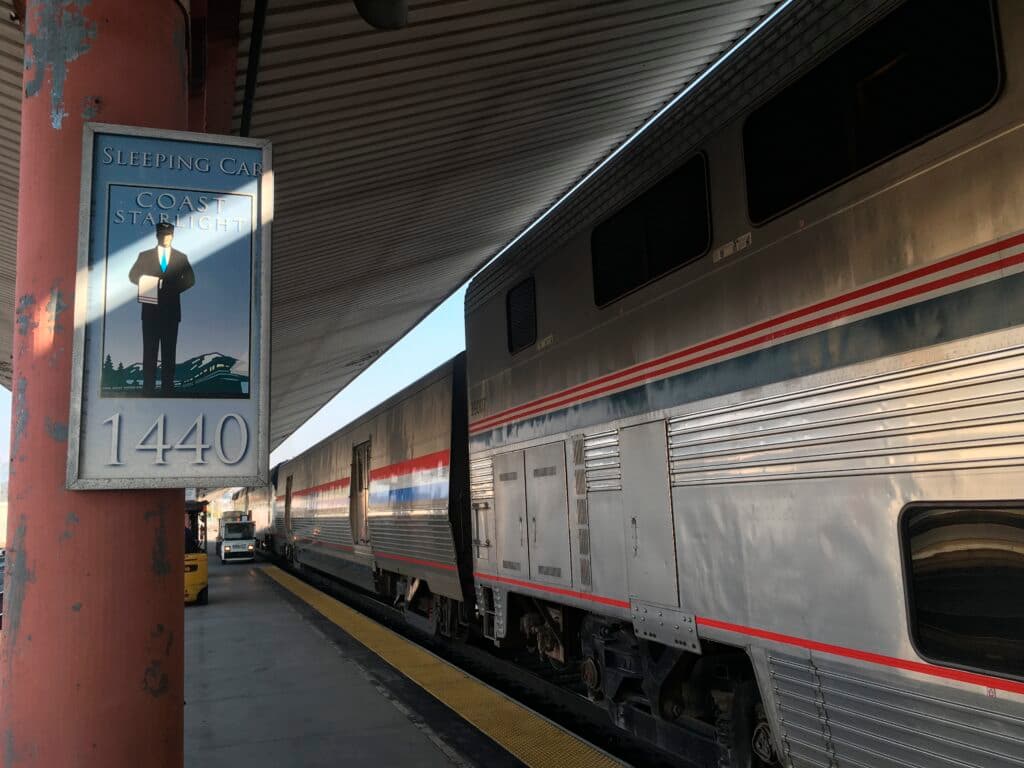
“It was much cheaper to fly throughout Europe than beforehand,” recalled Bernhard Rieder, a spokesperson for Austria’s national railway company, ÖBB. “So, more and more people moved from the trains to the planes.”
But in recent years, Rieder said, there’s been a noticeable shift. Over the past decade, ÖBB has seen an increasing number of eco-conscious travelers opting for trains over planes, driven by a growing awareness of air travel’s role in human-caused climate change. According to Rieder, this shift began around 2015, and in the years since, it’s only intensified.
“More and more people are thinking about environmentally friendly travel options,” he said. “So, night trains came back onto the radar of the people.
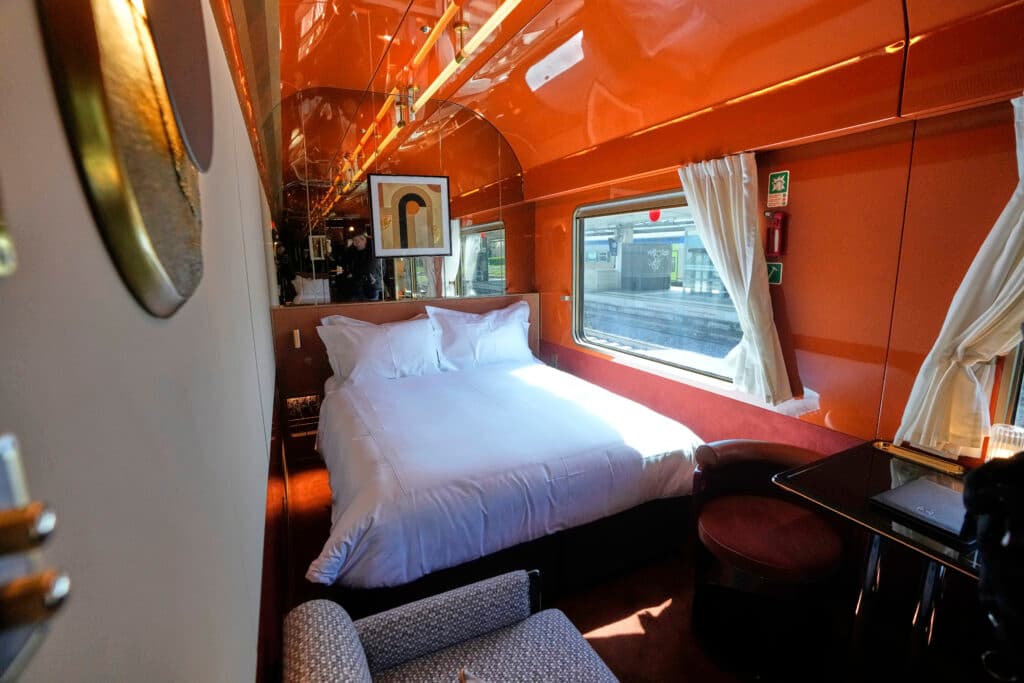
This resurgence isn’t just limited to Austria. Around the world, new sleeper routes are being launched, as cities and countries embrace the idea of low-carbon travel. In Japan, for example, the country’s largest rail company recently unveiled a new sleeper route between Tokyo and Tohoku. In Scandinavia, Marco Anderson, an executive at Swedish railway Snalltaget, said demand for sleeper services is now so high they can’t keep up with the influx of passengers.
“The demand is higher than the number of seats or beds that we can offer at the moment,” he said.
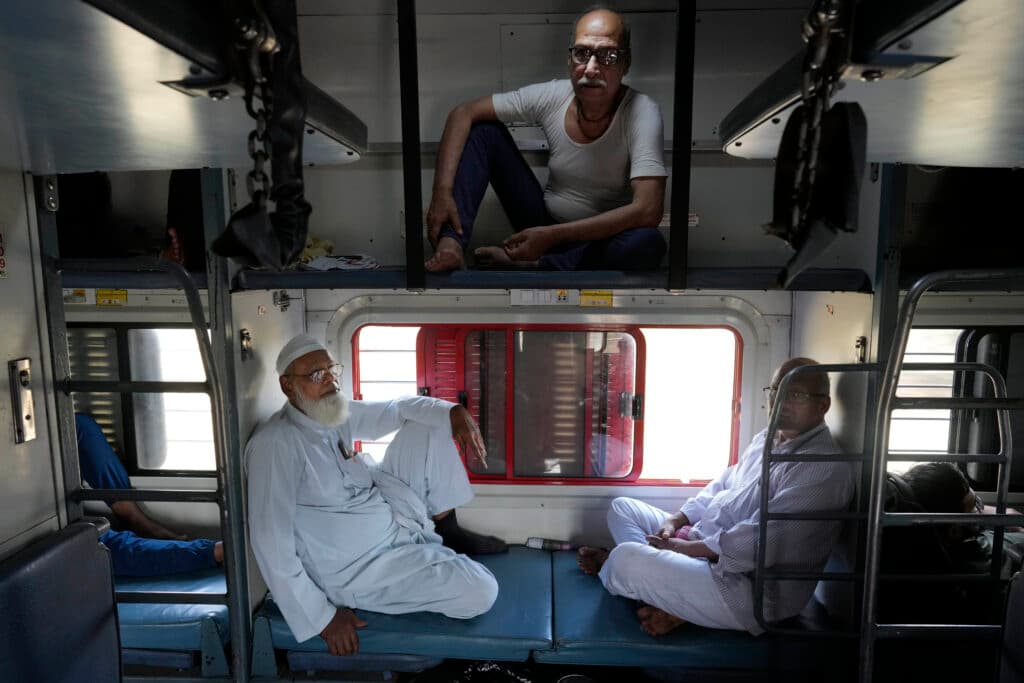
Even in countries where sleeper trains never quite disappeared, like India, interest in overnight rail travel remains strong. Monisha Rajesh, a British-Indian journalist who grew up taking sleeper trains in India, has long championed the charm of the Indian train system. Unlike the rest of the world, she said, India’s sleeper trains have never gone out of style.
“Indian trains are probably the most raucous, rowdy, colorful, vibrant, stimulating sleeper trains that you’ll ever be on,” Rajesh said. “These are trains where you’ve got card games going on, you’ve got vendors walking up the aisles, you’ve got extraordinary scenery outside the window. And they are really like a microcosm of India.”
Rajesh, who detailed her experiences taking overnight trains in the forthcoming book “Moonlight Express,” believes that the sleeper train’s international revival is more than just a practical response to climate change — that there’s a deeper, almost romantic appeal that draws passengers in.
“Sleeper trains are the essence of rail travel,” Rajesh said. “When you board a sleeper train, it’s like you’ve all got on for a chapter in a story. There are all these different characters coming together with different stories, different intentions and different destinations. People hop on and off, but when you’re there for the night, you’ve got your sleeper bunk, your space, your night with these people.”
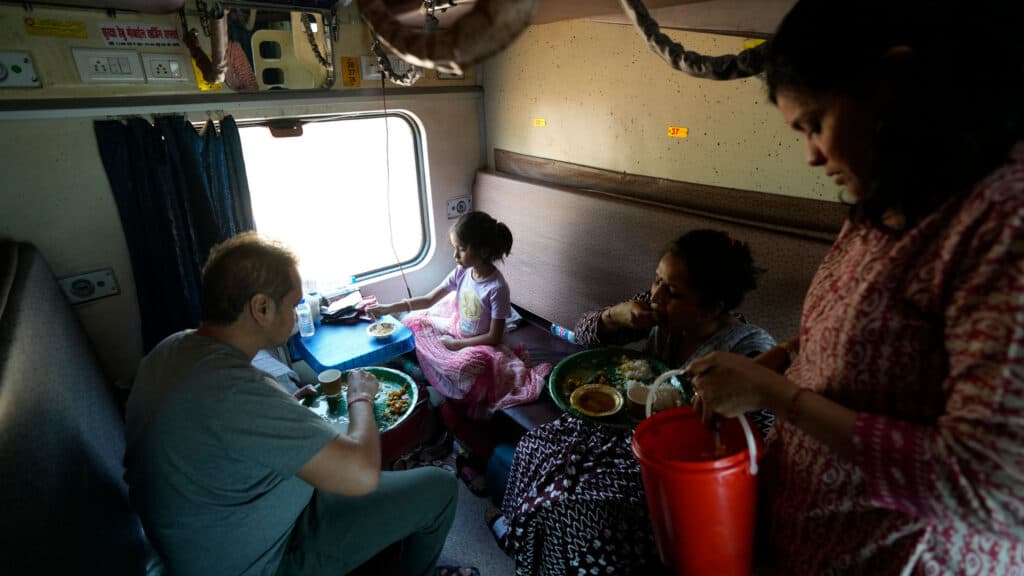
For Rajesh, the sleeper train represents a return to the kind of slow, meaningful travel that encourages connections with people and places. While the rise of budget airlines made travel faster and more convenient, she said, it also stripped away some of the magic of the journey itself. The sleeper train, she argues, restores that sense of adventure and romance.
Rajesh said she’s hopeful more sleeper lines will open up in the years ahead — that the current resurgence is just the beginning of a new chapter in the story of overnight travel. And if you ask rail companies what they think, the message is clear: full steam ahead.
