Official: Puerto Rico should rebuild power grid from scratch
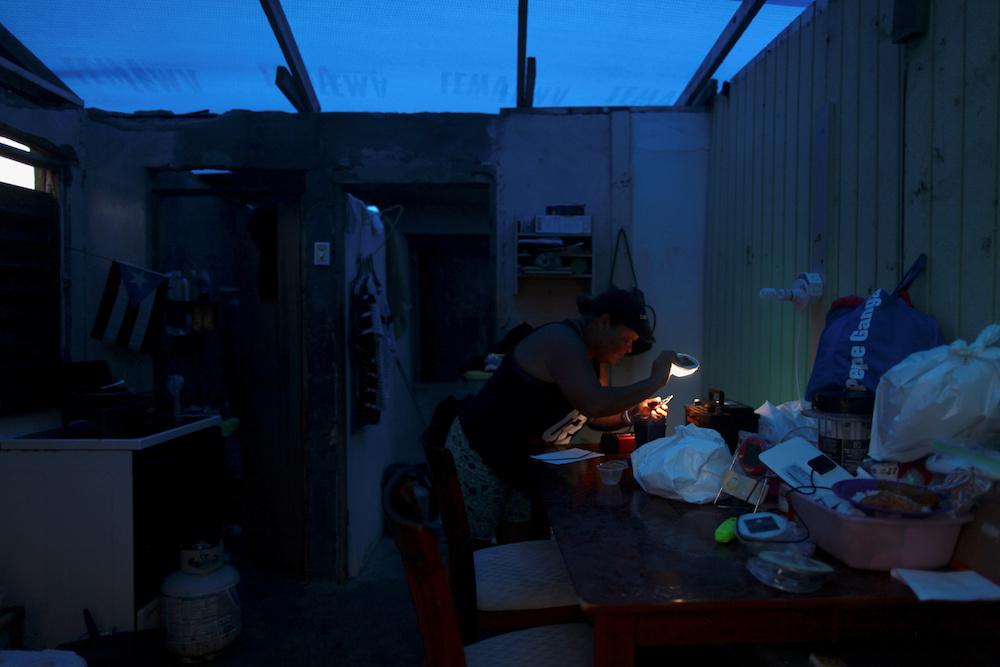
A woman uses a flashlight while trying to connect a transformer to a car battery, after Hurricane Maria hit the island in September 2017, in Maunabo, Puerto Rico January 27, 2018.
Puerto Rico should "start from scratch" rebuilding its already outdated power infrastructure after deadly Hurricane Maria last year devastated it and left citizens without power, the U.S. central banker overseeing the island territory said on Thursday.
New York Fed President William Dudley did not comment on U.S. interest rates in a presentation of research on the effects of the storm that struck on Sept. 20. It was the worst natural disaster in 90 years and the largest government bankruptcy in U.S. history.
The Federal Reserve Bank of New York, whose district includes the Caribbean island, said Maria wiped out about 4 percent of its jobs.
Dudley said it will likely take "many more months" to restore electricity and critical infrastructure to Puerto Rico, adding it was unclear how many of the residents who fled will eventually return.
Given the already outdated and inefficient power plants, he said, "now is a perfect opportunity for Puerto Rico to essentially start from scratch and build a resilient power generation and distribution network."
Hurricane Maria killed dozens and left Puerto Rico's 3.4 million U.S. citizens without power, along with reducing access to clean water and other essentials.
The U.S. agency responsible for disaster response has been criticized for hiring contractors that failed to deliver relief to the island, and last month said it would continue to provide water, meals and other basic needs after earlier reports that it was going to halt aid.
Dudley, who is set to leave his post by mid-year, added that the island's labor market appears to have stabilized thanks to a return of hospitality jobs and the emergence of construction.
"These job gains are expected to continue for some time to come," he told reporters at the New York Fed.