International travel to the US drops for the first time since 2009
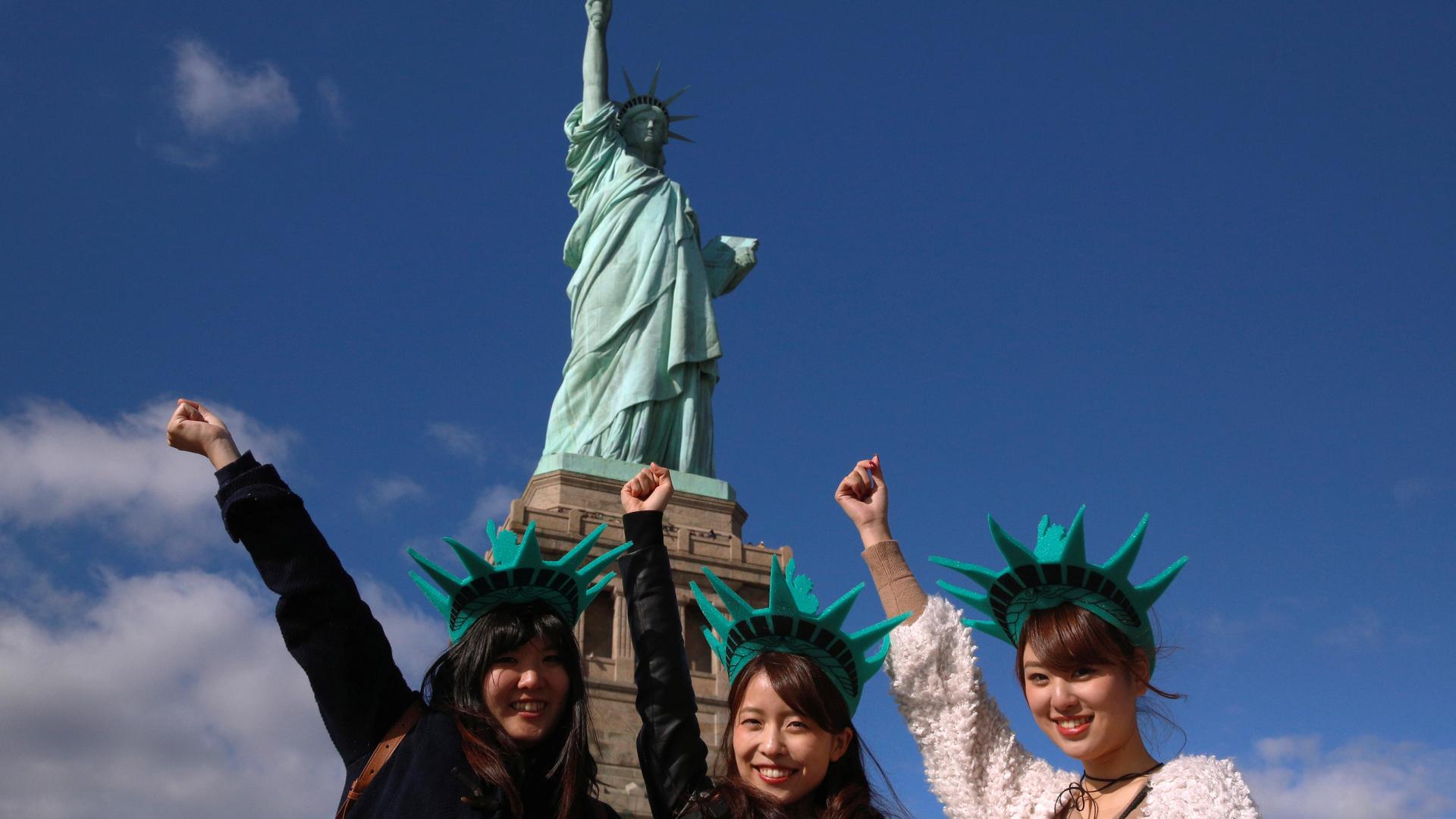
The Statue of Liberty is one of the United States' most-visited tourist attractions.
The number of international visitors to the United States has dropped for the first time since 2009, as did their spending, the US Department of Commerce said Friday.
In 2016, 75.6 million international travelers ventured stateside, a 2 percent drop from the previous year. Their spending also fell by 1 percent to $244.7 billion.
The figures account for people journeying to the US for business, medical, education and leisure reasons.
Travel and tourism however remained the largest services export out of the US, making up 33 percent of services exports and 11 percent overall.
According to the department, preliminary data in 2017 has shown a rise in the number of visitors.
Both US visitations and spending from China ($33 billion), Mexico ($20.2 billion), India ($13.6 billion) and South Korea ($8.6 billion) increased, but declined in other top markets.
Canada sends the most travelers to the US, though overall visitors from there have declined more than six percent annually for three straight years.
The US does maintain a surplus of $84 billion when it comes to tourism spending — meaning foreign tourists in the US spend more than American tourists abroad.
The US tourism industry accounts for 2.7 percent of GDP and 7.6 million jobs, according to Commerce Department statistics.
Our coverage reaches millions each week, but only a small fraction of listeners contribute to sustain our program. We still need 224 more people to donate $100 or $10/monthly to unlock our $67,000 match. Will you help us get there today?