Antidepressants used by 1 in 10 Americans
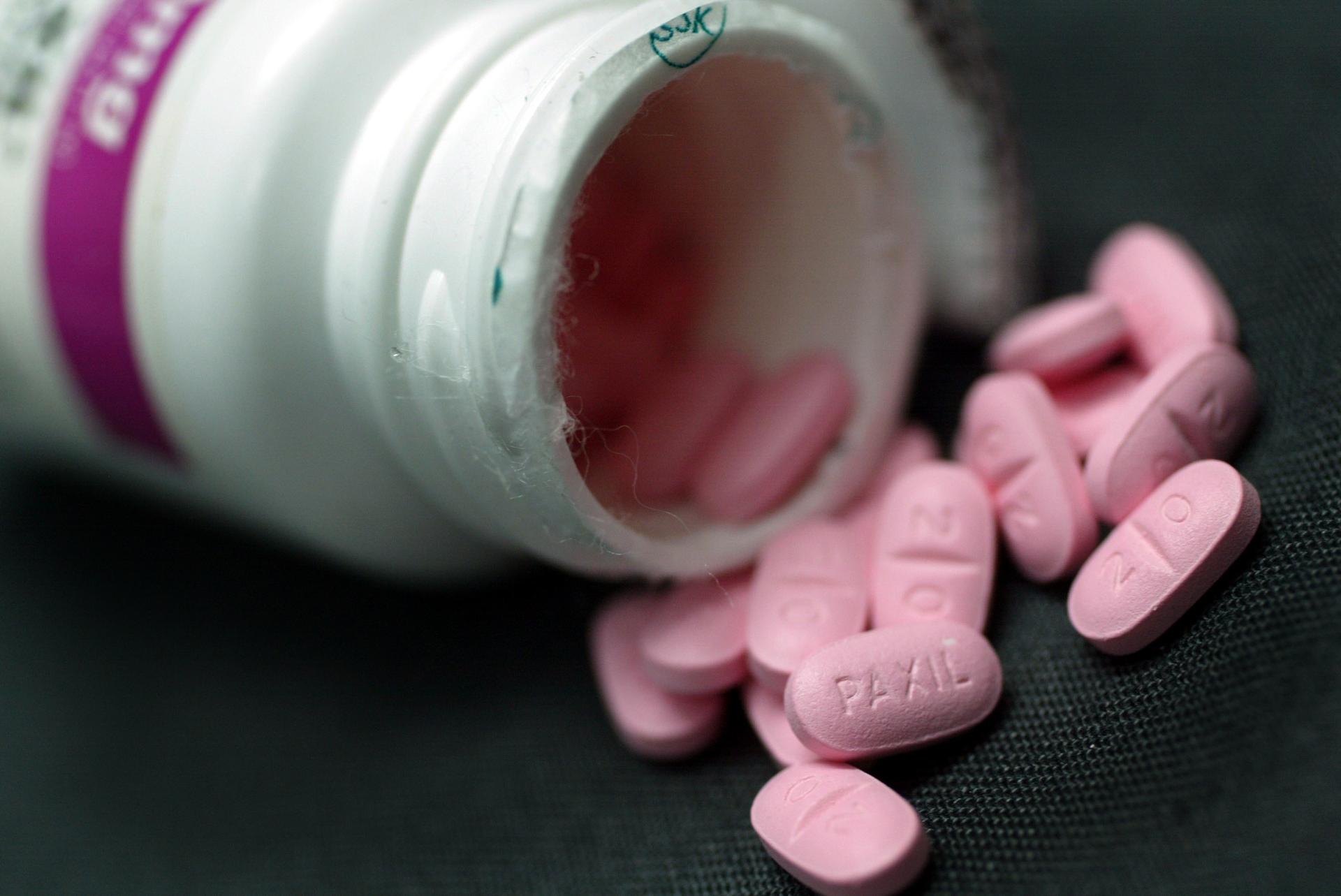
A bottle of antidepressant pills.
Antidepressants are used by one in 10 Americans age 12 and older, according to a report from the Centers for Disease Control and Prevention.
CDC researchers studied data from 12,000 Americans who took part in the National Health and Nutrition Examination Surveys between 2005 and 2008, Reuters reports. They found that antidepressant use increased nearly 400 percent compared with the years between 1988 and 1994.
According to Reuters:
The increase followed the U.S. approval in 1987 of Eli Lilly and Co's Prozac or fluoxetine, the first of a newer class of antidepressants known as selective serotonin re-uptake inhibitors or SSRIs.
Doctors also came up with more uses for antidepressants, including treating anxiety disorders, obsessive compulsive disorder, bulimia and PTSD, Reuters reports.
The CDC found that antidepressants are the third-most common drug taken by Americans of all ages and the most common drug used by 18- to 44-year-olds, Reuters reports.
The subset of the population with the highest use of antidepressants is women age 40 to 59, the Wall Street Journal reports; 23 percent of that group take antidepressants.
The report also found that less than one-third of Americans taking one antidepressant and less than half of those taking multiple antidepressants had seen a psychiatrist or other mental health professional in the previous 12 months, the Washington Post reports.
The fact that such a large number of people get their antidepressant prescriptions from doctors who aren’t psychiatrists is a problem, Norman Sussman, a psychiatrist at New York University, told the Washington Post. “It raises the use to a public health level. The fact that non-psychiatrists are not as well-informed about some of the risks and limitations of these drugs is of concern,” Sussman said.
Another problem the report uncovered: Some 66 percent of people with severe depressive symptoms don’t take antidepressants, the Wall Street Journal reports.
The story you just read is available for free because thousands of listeners and readers like you generously support our nonprofit newsroom. Every day, reporters and producers at The World are hard at work bringing you human-centered news from across the globe. But we can’t do it without you: We need your support to ensure we can continue this work for another year.
Make a gift today, and you’ll get us one step closer to our goal of raising $25,000 by June 14. We need your help now more than ever!