Weight loss reduces risk of breast cancer, research suggests
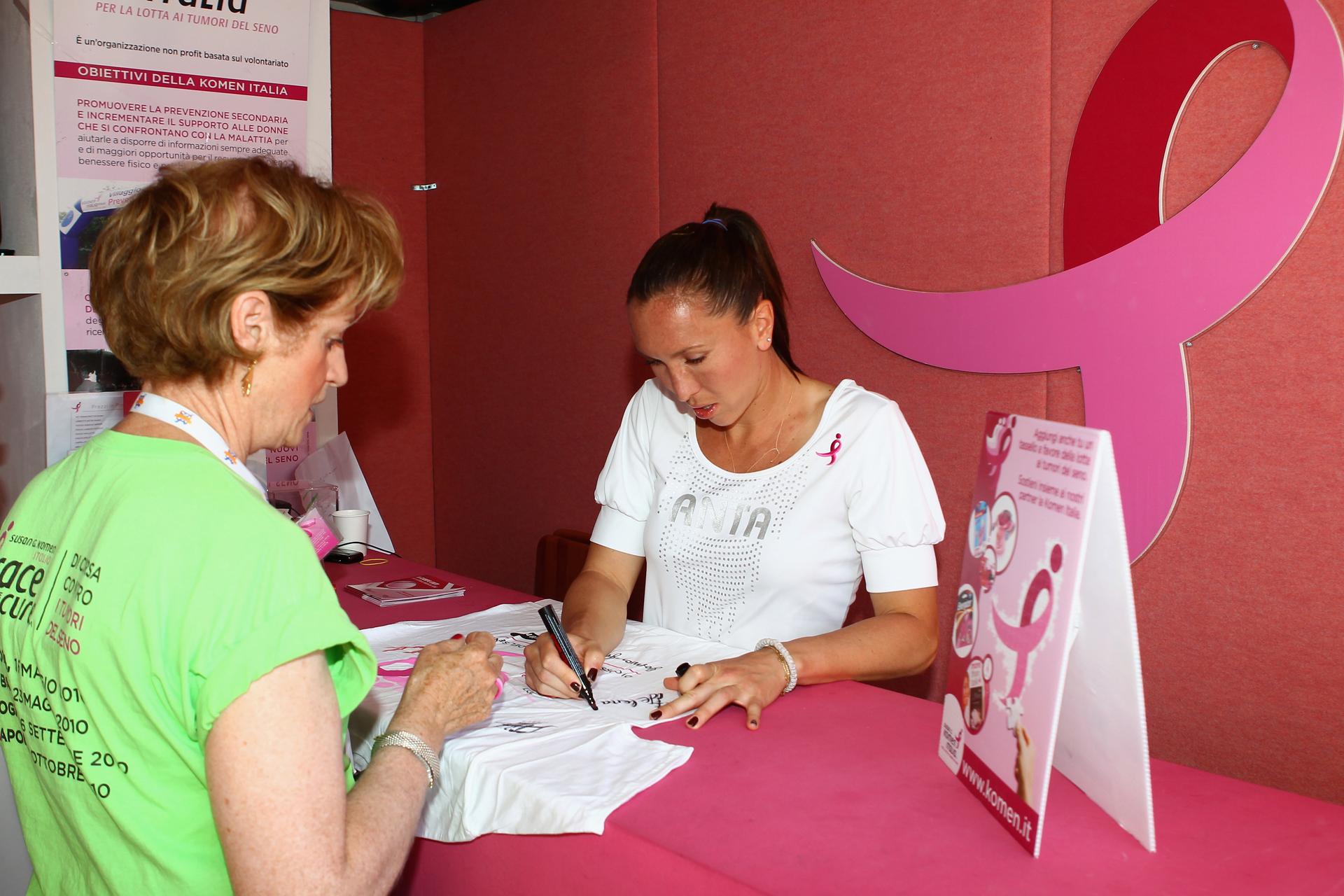
Susan G. Komen, the leading US breast cancer charity, has ended its funding for Planned Parenthood.
New research suggests that weight loss through exercise and dieting helps overweight women lower hormones, decreasing their odds of developing breast cancer, according to U.S. News and World Report.
Even a moderate amount of weight loss can significantly reduce levels of circulating estrogens that are associated with an increased risk of breast cancer, study co-author Dr. Anne McTiernan, director of the Prevention Center at the Fred Hutchinson Cancer Research Center, said in a news release.
More from GlobalPost: 'Breast cancer' reclassified into 10 distinct diseases (VIDEO)
It is the first randomized, controlled clinical trial to test the effects of weight loss on sex hormones in overweight and obese postmenopausal women – a group that has a higher risk for breast cancer.
The study is published in the May 21 online issue of the Journal of Clinical Oncology.
Epidemiologists have long noted a link between obesity and increased risk of postmenopausal breast cancer.
The Los Angeles Times reported the study finds losing as little as 5 percent of one's body weight — 10 pounds for a 200-pound woman — drives down estrogen and other hormones that raise breast cancer risk.
"This shows it's never too late to make lifestyle changes to reduce your risk for breast cancer," said McTiernan.
The study said other ways to reduce the risk include: breastfeeding, reducing alcohol consumption and steering clear of hormone-replacement therapy.
The story you just read is accessible and free to all because thousands of listeners and readers contribute to our nonprofit newsroom. We go deep to bring you the human-centered international reporting that you know you can trust. To do this work and to do it well, we rely on the support of our listeners. If you appreciated our coverage this year, if there was a story that made you pause or a song that moved you, would you consider making a gift to sustain our work through 2024 and beyond?