Flame, Stuxnet virus link found
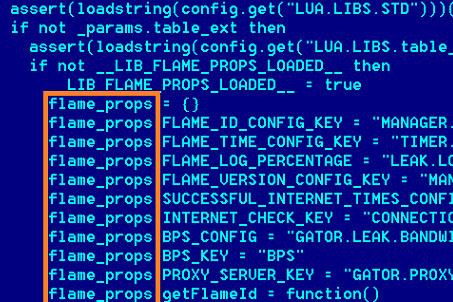
A sophisticated cyber-espionage virus called ‘Flame’ was found in the Middle East targeting Iran primarily said Russian software security group Kapersky.
Researchers said the teams which created the Flame and Stuxnet cyber attacks probably worked together during the early stages of development, according to the BBC.
Kaspersky Lab said that those behind the two viruses probably co-operated "at least once" to share source code. The lab said, "What we have found is very strong evidence that Stuxnet/Duqu and Flame cyber-weapons are connected," according to the BBC.
The chief executive of the lab, Eugene Kaspersky, said on Monday that a part of the code in Flame is nearly identical to a 2009 version of Stuxnet, according to Reuters. Both viruses attacked computers in Iran, but the Flame virus was only revealed last month.
Though Kaspersky has not released any information about who built Flame, news organizations such as Reuters and The New York Times have reported that Stuxnet was part of a US and Israel effort to disrupt Iran's nuclear enrichment program.
More on GlobalPost: UN agency warns of 'Flame' virus which hit Middle East
Reuters reported that Washington launched investigations into where the leaks about the highly classified project came from.
The United Nations' telecommunications head, Dr. Hamadoun Toure, said he did not believe the US was behind Flame, according to the BBC, dismissing such reports as "speculation."
After an Israeli minister seemed to back the cyber attacks, a spokesman for the government said, "There was no part of the interview where the minister has said anything to imply that Israel was responsible for the virus," according to the BBC.
More on GlobalPost: Flame virus: How does it work? Where does it come from?
Flame is a cyber espionage program, capable of watching everything on an infected computer, while Stuxnet was a cyber weapon designed to alter whatever it infected, according to ABC News.
Vitaly Kamluk, Kaspersky Lab's malware expert, said, "We think that these teams are different, two different teams working with each other, helping each other at different stages," according to the BBC.
ABC News reported that the news comes just days after cyber security firm Symantec revealed that Flame has been given a "suicide" command, which wipes any traces of it from an infected computer.
More on GlobalPost: When the BRICs crumble
The article you just read is free because dedicated readers and listeners like you chose to support our nonprofit newsroom. Our team works tirelessly to ensure you hear the latest in international, human-centered reporting every weekday. But our work would not be possible without you. We need your help.
Make a gift today to help us reach our $25,000 goal and keep The World going strong. Every gift will get us one step closer.