Cataract surgery may prevent hip fractures
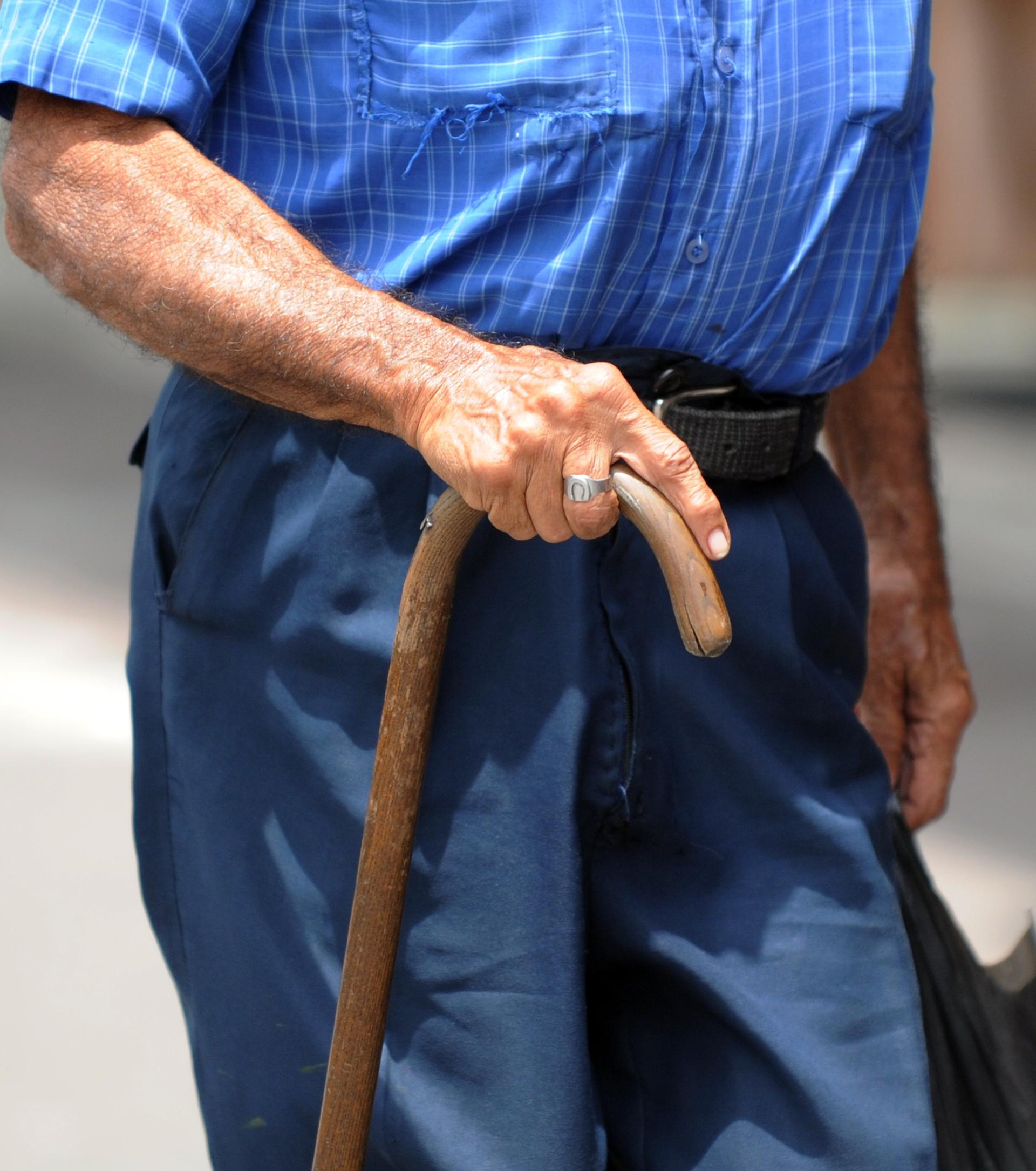
New research shows that cataracts surgery may help prevent hip injuries in older patients.
Helping older patients see better may be the key to preventing hip fractures, according to a new study.
The study published in the Journal of the American Medical Association found that having surgery to correct cataracts may reduce the risk of hip fractures among elderly people by up to 23 percent.
According to US News and World Report, a cataract is a clouding of the eye's lens. Symptoms of cataracts can include blurry vision, glare and poor night vision. As a result, people with cataracts may be more prone to falls.
Bone fractures due to falls are a major cause of disability and death among the elderly, according to WebMD. Fall-related injuries cost the US more than $10 billion in health care costs in 2000, according to researchers.
In the paper, researcher Victoria Tseng, MD, of Brown University, wrote, "Cataract surgery has already been demonstrated to be a cost-effective intervention for visual improvement. The results in this study suggest the need for further investigation of the additional potential benefit of cataract surgery as a cost-effective intervention to decrease the incidence of fractures in the elderly."
Gerald McGwin, who has studied the effects of cataract surgery at the University of Alabama at Birmingham, told Fox News that, "Fracturing a hip is at the tip of the iceberg." He added that there are a lot of other consequences to poor eyesight in older adults.
The article you just read is free because dedicated readers and listeners like you chose to support our nonprofit newsroom. Our team works tirelessly to ensure you hear the latest in international, human-centered reporting every weekday. But our work would not be possible without you. We need your help.
Make a gift today to help us reach our $25,000 goal and keep The World going strong. Every gift will get us one step closer.