23 images that show just how hard it is to treat Ebola
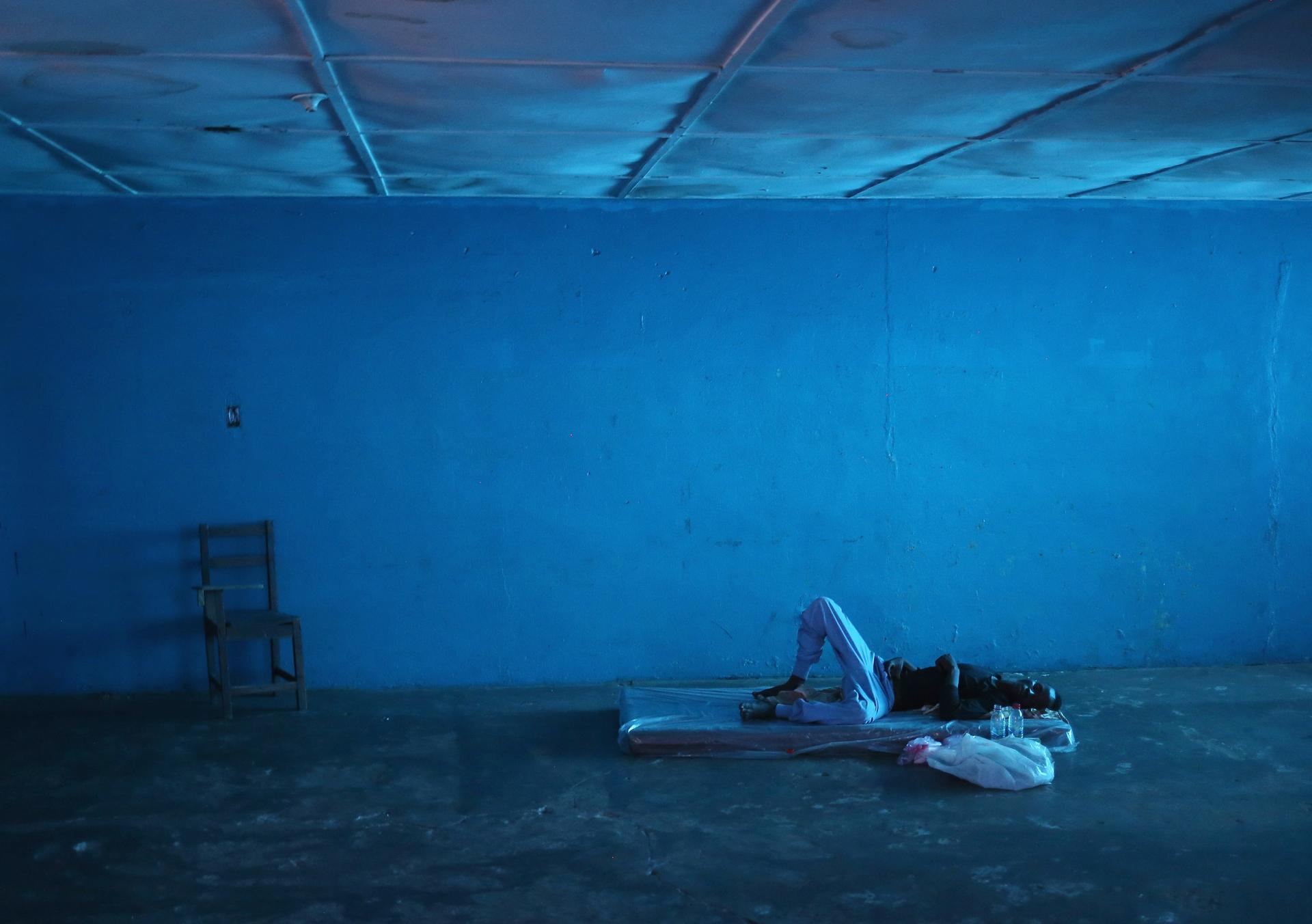
A man lies in a newly-opened Ebola isolation center set up by the Liberian health ministry in a closed school on August 14, 2014 in Monrovia, Liberia.
The catastrophic Ebola outbreak in West Africa was already dubbed the world's worst-ever way back in June. But since then, the spread of the viral disease has only gotten worse in Sierra Leone, Liberia and Guinea.
The World Health Organization reported 4,546 deaths out of 9,191 known cases in those three countries on Friday.
Ebola, a hemorraghic virus that has up to a 90 percent mortality rate, is strongest and most contagious in its later stages. That means that the bodies of those who have died from it are highly contagious, though the disease can only be transmitted through contact with bodily fluids. This has created a major obstacle for health workers attempting to control the disease, as some traditional burials involve washing corpses, putting surviving relatives at greater risk.
Of course, treating victims is also hugely difficult, as medical workers must take layers of precautions to avoid contracting the disease from sick patients. Those suspected of carrying the disease are being moved to isolation centers, while doctors treating patients are covered head to toe in protective gowns, masks, gloves and boots.
More from GlobalPost: Let these 20 nervous animals teach you the reality of the Ebola 'threat'
The article you just read is free because dedicated readers and listeners like you chose to support our nonprofit newsroom. Our team works tirelessly to ensure you hear the latest in international, human-centered reporting every weekday. But our work would not be possible without you. We need your help.
Make a gift today to help us reach our $25,000 goal and keep The World going strong. Every gift will get us one step closer.