Egypt moves to implement ban on online pornography
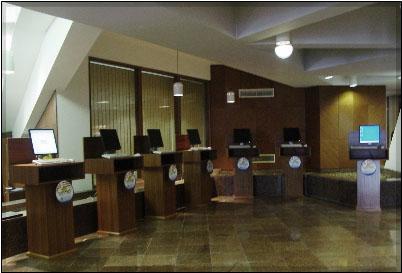
Users of Internet cafes like this one in Alexandria, Egypt, and indeed all Internet users in Egypt, will soon find it difficult to visit websites containing online pornography. (Photo by Moushira via Wikimedia Commons.)
Egypt’s public prosecutor this week ordered the country’s internet service providers to block pornographic websites.
The move has proven popular with religious conservatives, but is being condemned by liberals who fear its just one step down a road to greater censorship of unpopular opinions. Pornography is illegal throughout the Arab world and, in fact, has been illegal in Egypt since 2009. But the regime of Hosni Mubarak, the deposed former dictator, had declined to enforce it.
But now, it appears there’s no going back.
This is “a first step towards establishing a society based on ethics,” the public prosecutor said, according to the Arabic news outlet Al-Arabiya.
Egypt’s Salafists, who dominated the since-disbanded Legislature, made getting pornography out of the country a trop priority. Mamdouh Ismail, a Salafi member of the Egyptian parliament, told Al-Arabiya that pornography corrupted Muslim values.
“These pornographic websites stem from a Western culture, they deteriorate our moral family values and youth. They promote a criminal culture, one which leads to unproductivity, drugs and theft,” he said.
According to the Electronic Freedom Foundation, the practical implications of the ban remain unknown.
“They may take a hint from Pakistan, which periodically bans hundreds of thousands of porn sites, but has stopped short of implementing a national blocking and filtering system this Spring,” the EFF writes.
A broader ban, or a systematic and automated approach, could have collateral damage that includes blocking websites about breast cancer and gay rights.
Every day, reporters and producers at The World are hard at work bringing you human-centered news from across the globe. But we can’t do it without you. We need your support to ensure we can continue this work for another year.
Make a gift today, and you’ll help us unlock a matching gift of $67,000!