Leila Goldstein
The World
Some people on Indonesia’s Simeulue island relied on folklore to escape the 2004 tsunami
The majority of deaths from the 2004 Indian Ocean tsunami were in Indonesia. But the island of Simeulue was largely spared. Researchers say this was partly due to folklore passed down through the generations that residents are now trying to keep alive.
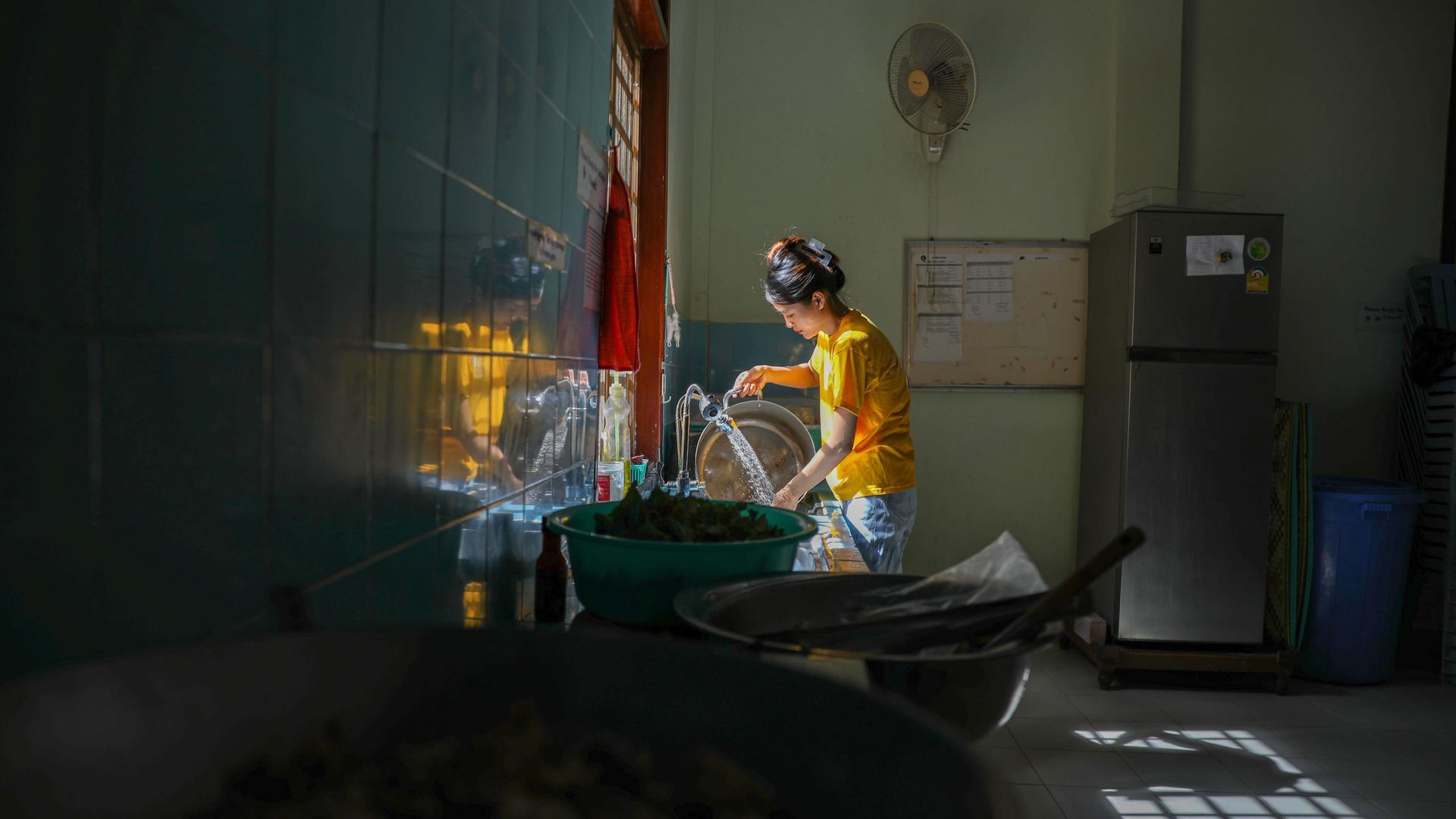
Despite lack of govt loans for college in Cambodia, these students are making it work
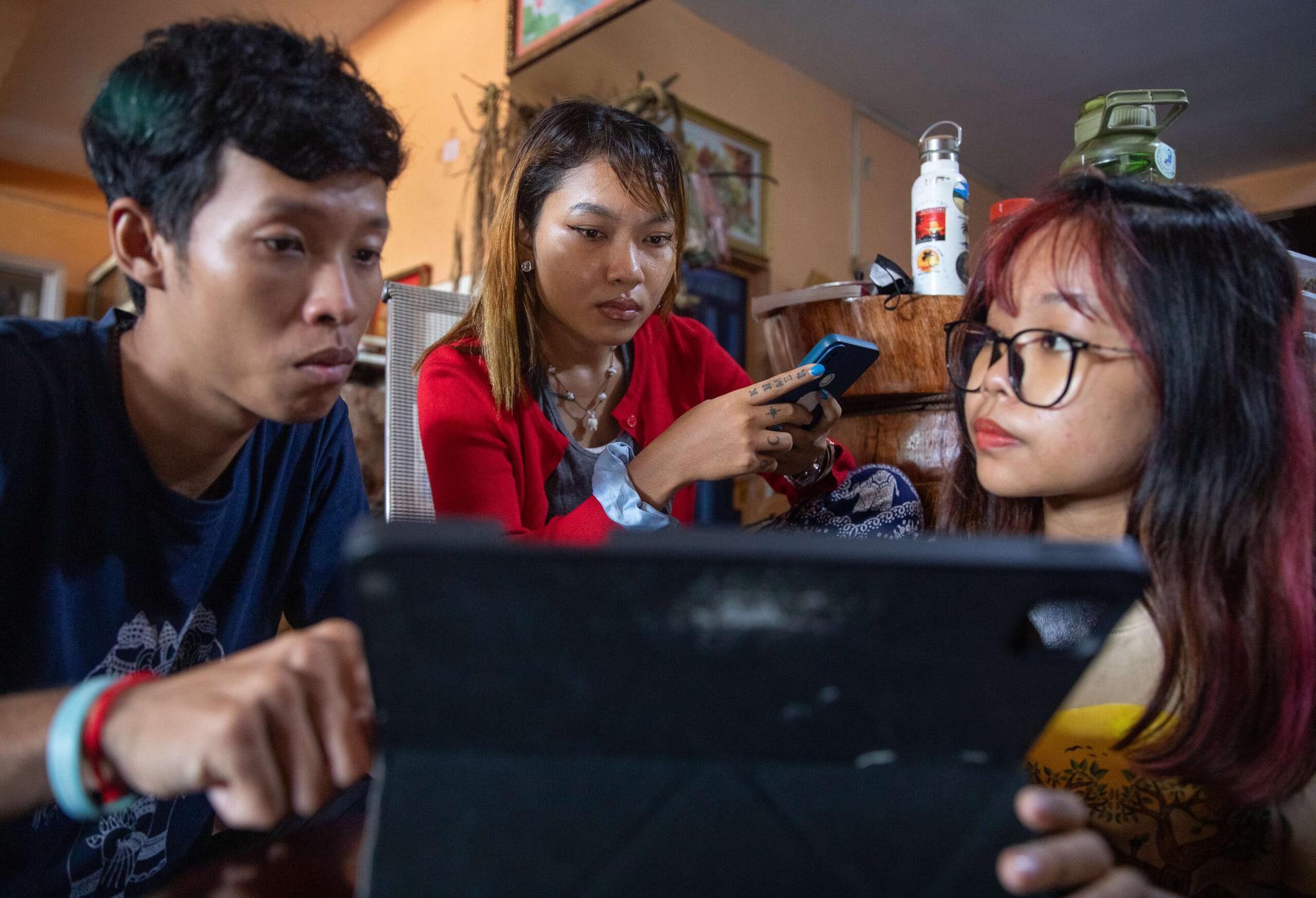
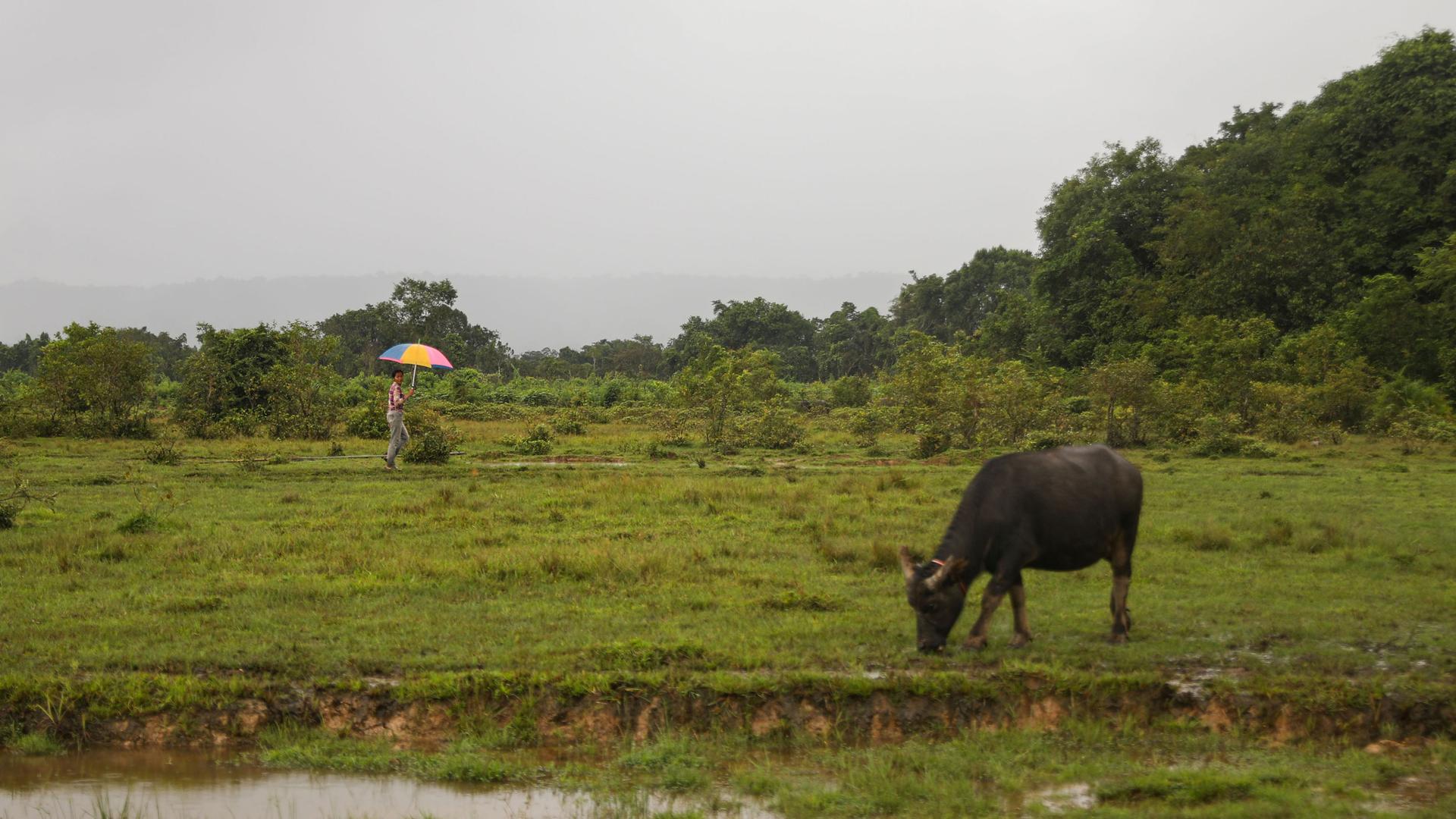
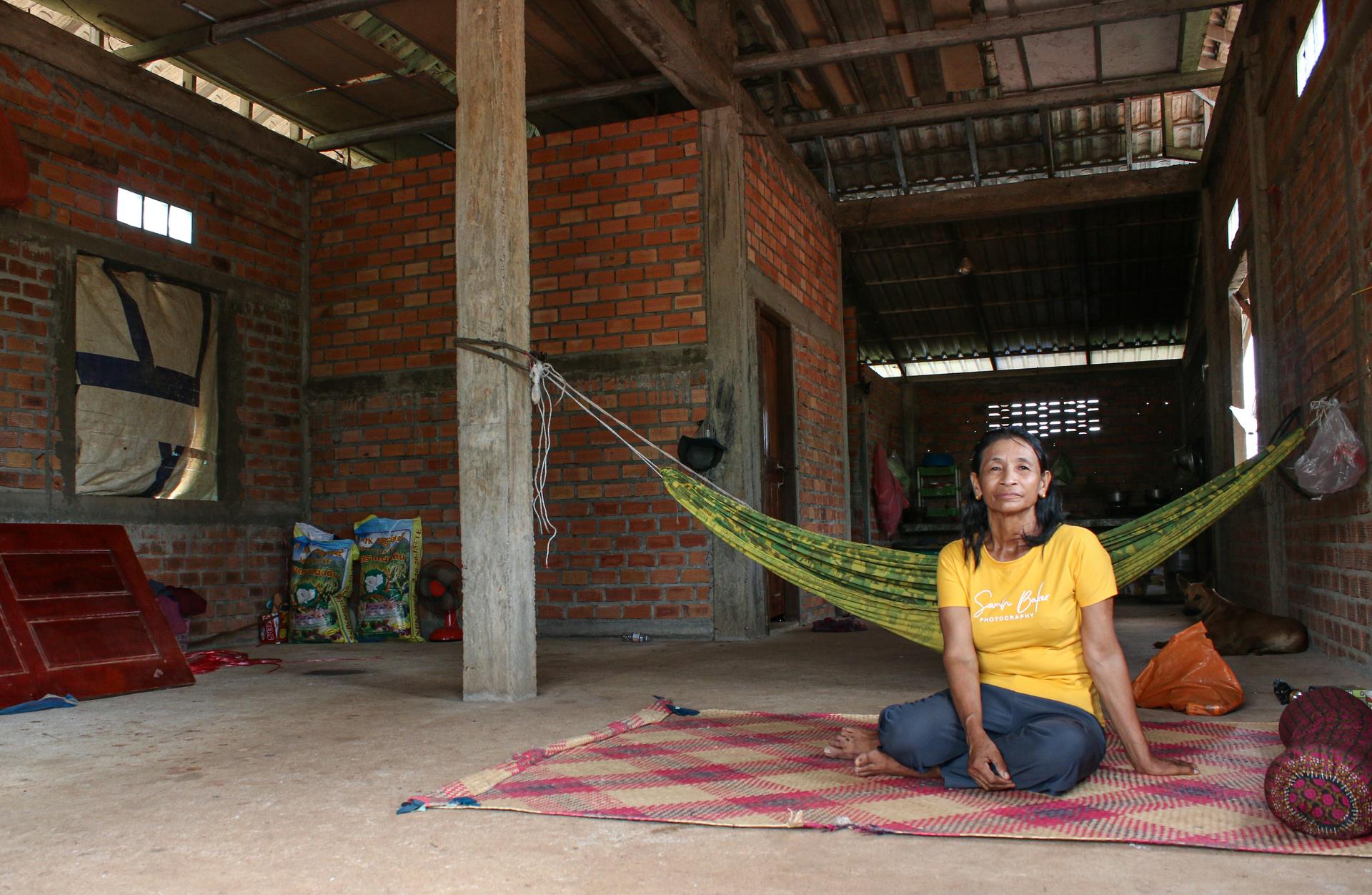
Most Cambodians live in rural areas, with many struggling to make a living on small farms. Even with low public school tuition fees, sending a child to college is nearly impossible. Those who want a higher education must be resourceful.
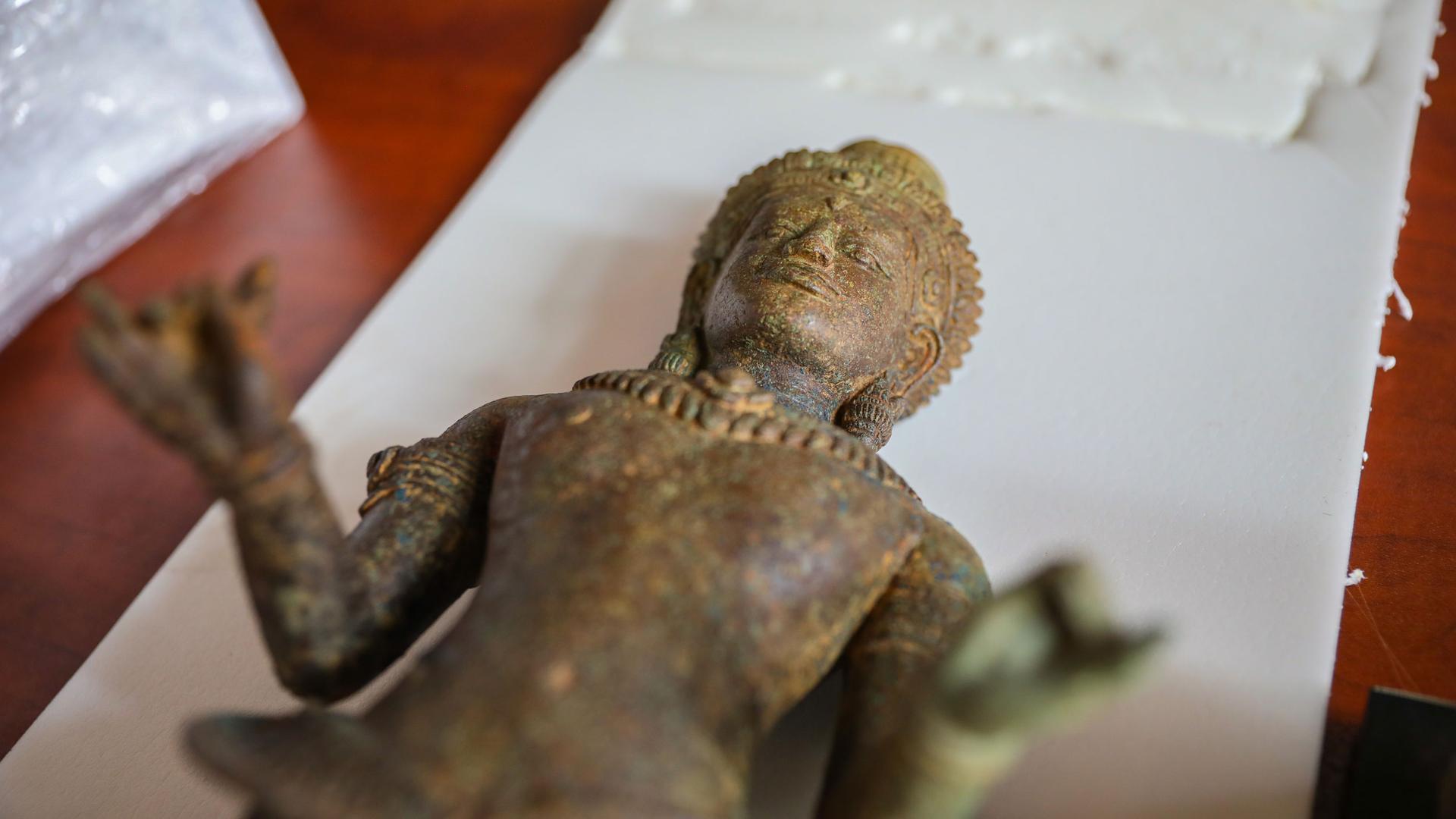
Looted relics returned to Cambodia receive monks’ blessings
Cambodian artifacts were often looted out of the country beginning in the 1970s, under control of the Khmer Rouge. At least 13 antiquities have been returned this month amid a push in the art world from artists and scholars to return looted works to their countries of origin.