education

Universities stand to lose big bucks as international students quit the US
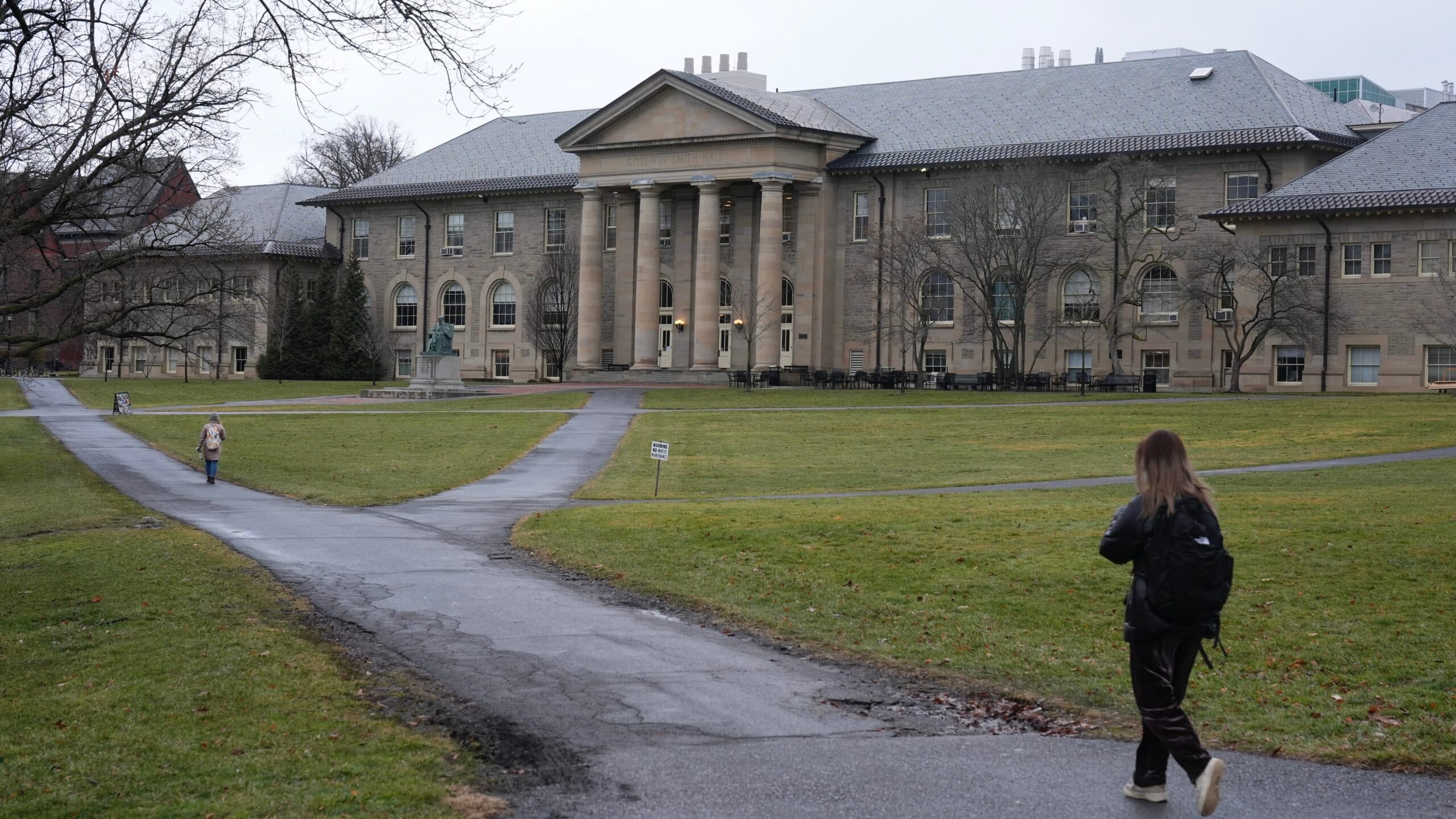
International students — and the big tuition checks they bring — are a key ingredient in the American college business model. But just as US colleges face a shrinking pool of domestic college-aged students, international students are feeling less welcome here. From the Higher Education desk at GBH in Boston, Kirk Carapezza reports that the shift could have major consequences for colleges – and the US economy.


In Canada, university and college officials hope for an end to upheaval for international students
Canada has long been an attractive option for international students. It’s seen as a safe and generally non-discriminatory place to study, with impressive schools and post-graduation work rights. But 2024 brought a year of significant changes to the sector. Prospective international students fear an unknown future. The World’s Bianca Hillier reports from Toronto.


One American student’s love for Japan
Jay Nikolewski knew from an early age where he wanted to live. Nikolewski never felt comfortable growing up in America and felt like he didn’t fit in. In high school, he decided Japan was the country for him. In 2023, he fulfilled that dream by moving to Japan and working toward a degree in Asian Studies at Temple University. The World’s Carolyn Beeler met with Jay Nikolewski in Tokyo and asked him why Japan.

American students consider work opportunities abroad after graduation
American students who want to work in other countries after graduation often find their opportunities through study abroad experiences in college or internships. The top choice has been the UK, but the various destinations span the globe.

Education special: American students abroad and international students in the US
In the US, immigration is a heated topic. A part of that conversation is the thousands of degree-seeking international students who move to the US every year, many with hopes to stay after completion. But what about those US students who decide to study abroad and then want to stay abroad? The World’s Carolyn Beeler, asks Amine Mechaal, director of global engagement at Columbia University’s Teachers College in New York, to break down the hurdles students face to stay in their host countries.