Public radio’s longest-running daily global news program.
©2026 The World from PRX
PRX is a 501(c)(3) organization recognized by the IRS: #263347402.
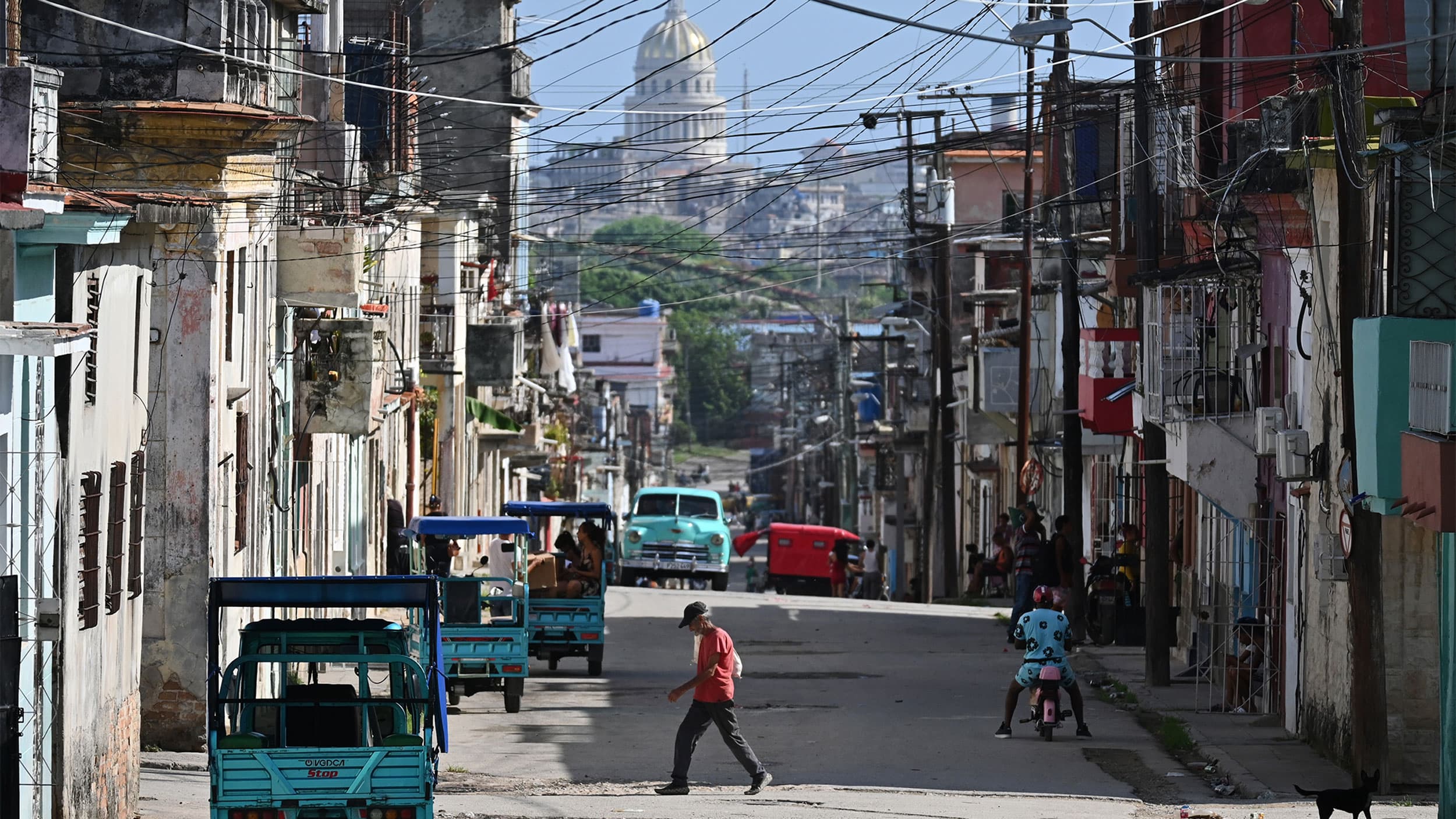
New US sanctions are putting a spotlight on GAESA, one of the most powerful and opaque forces in Cuba.
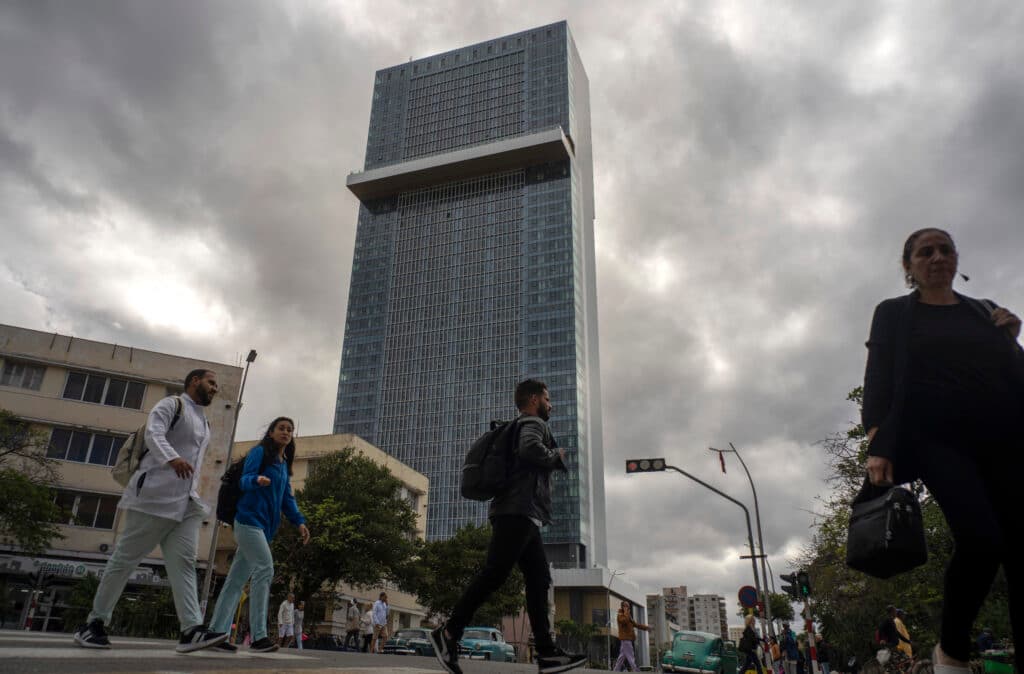
A man crosses a street in Havana, Cuba, May 25, 2026.
Its name is rarely one that customers see. But stay in a hotel in downtown Havana, shop in a store that takes US dollars or send money to relatives or friends in Cuba, and GAESA (Grupo Administrativo Empresarial S.A.) is most likely involved in the transaction.
Expanded under former Cuban President Raúl Castro, the conglomerate now reaches far beyond the military. It operates in tourism, retail, logistics, transportation, foreign trade and finance.
One of its key assets is Banco Financiero Internacional, a commercial bank that economists say holds a large share of the country’s foreign reserves.
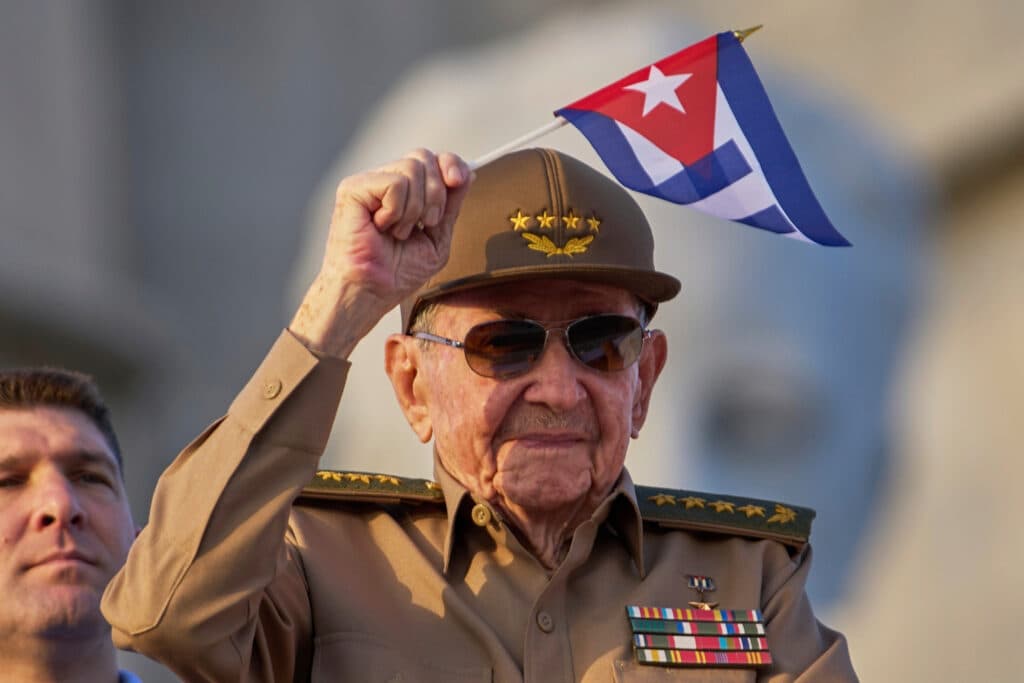
Pavel Vidal, a Cuban economist at Pontificia Javeriana University in Colombia and a former economist at Cuba’s Central Bank, said GAESA has a monopoly or dominant position in many of those areas. “That gives it power to control prices, limit competition and generate high profit margins,” Vidal explained.
Economists disagree on the exact scale of GAESA’s control. Estimates based on leaked financial documents and other research range from roughly 40% of Cuba’s economy to as high as 70%. Those numbers are difficult to verify because GAESA does not publish its books. But even the lower estimates point to one conclusion: GAESA is one of the most influential institutions on the island.
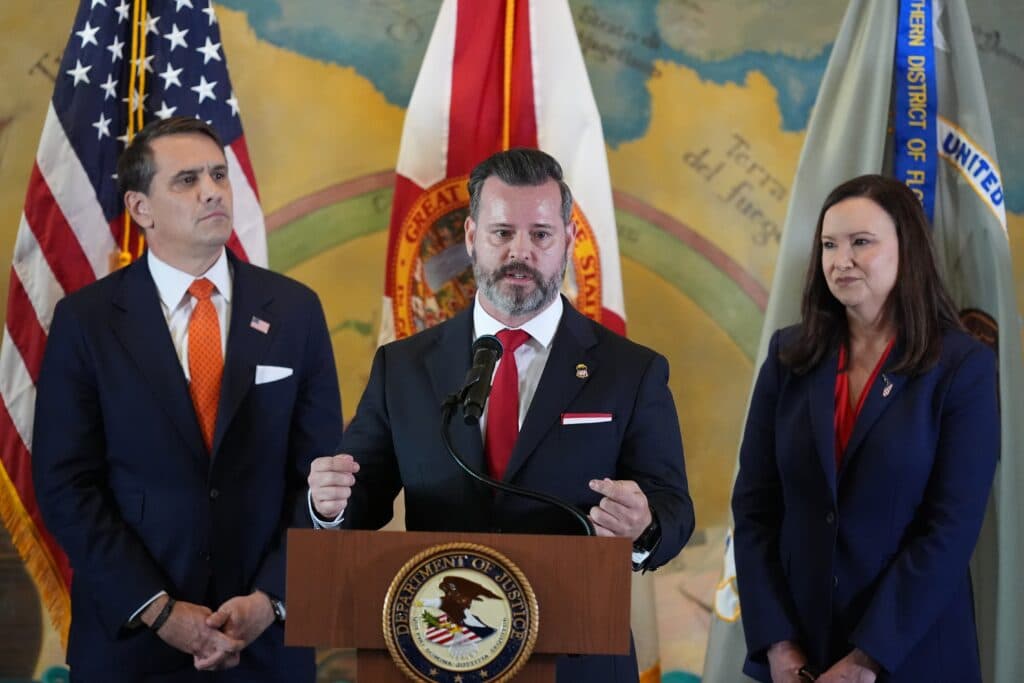
That influence has made GAESA a major target of Washington’s pressure campaign on Cuba. On May 7, the US sanctioned the conglomerate and warned foreign companies and banks that they could also face penalties for doing business with GAESA or its subsidiaries. The US later added sanctions on Cuban military and political figures, as well as the island’s main intelligence agency.
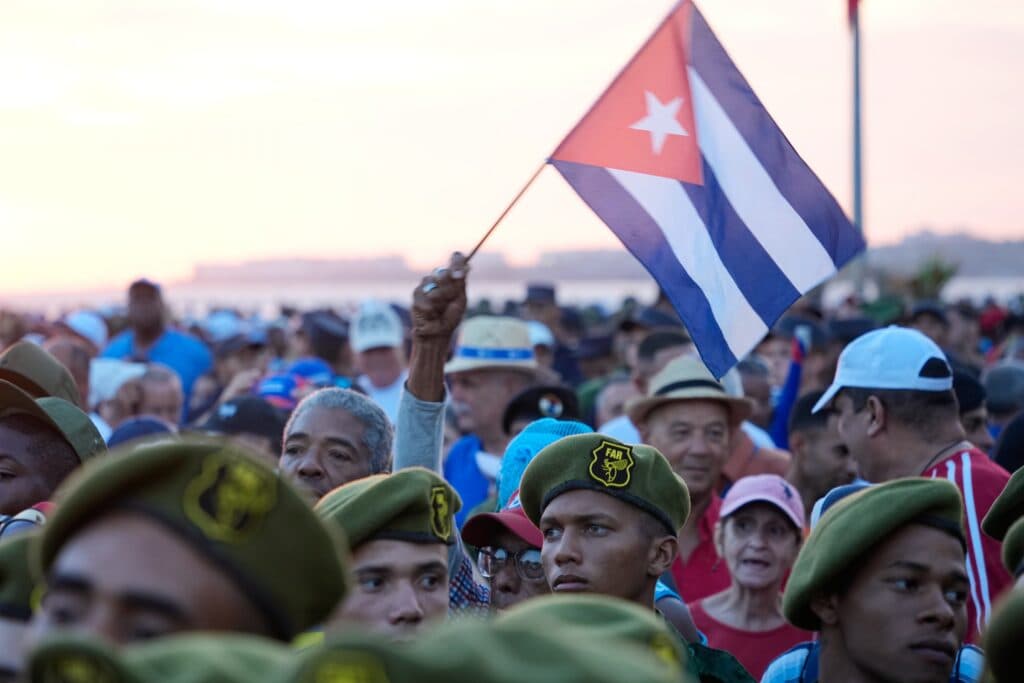
GAESA’s power has long frustrated Cubans, especially as the government continues to invest heavily in tourism while basic infrastructure deteriorates.
“GAESA is central to how Cuba allocates scarce resources, controls foreign currency and decides which sectors receive priority, with no public oversight,” said Ricardo Torres Pérez, a Cuban economist at American University in Washington who has studied the island’s electricity crisis.
According to government figures cited by economists, Cuba spent nearly 40% of its investment budget in 2024 on tourism and hospitality — about $1.5 billion — even as hotel occupancy hovered around 30%. The tourism budget was about 11 times the combined spending on education and health care.
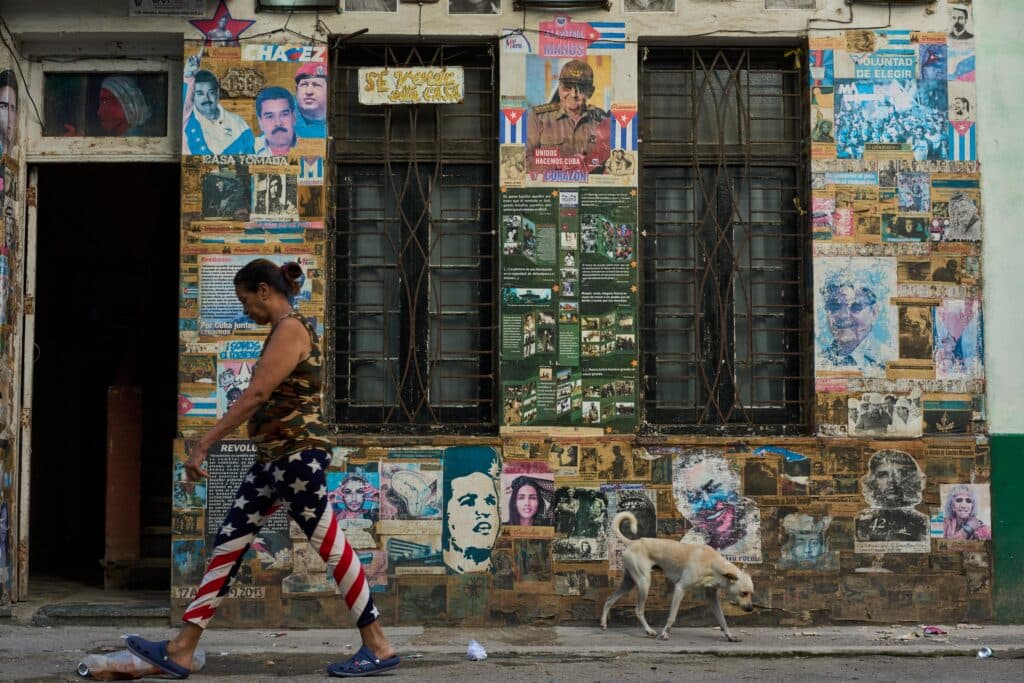
The Cuban government often blames US sanctions and the embargo for the island’s economic troubles. Torres said those policies have clearly hurt Cuba by raising costs, limiting access to financing and complicating fuel and equipment purchases. But, he said, sanctions are not the whole story.
“For years, Cuba kept putting a very large share of investment into tourism, even as hotel occupancy was falling and the power system was becoming more fragile,” Torres said. “Those resources could have been used, at least in part, to modernize power plants, improve the grid, expand renewable energy or strengthen systems that ordinary Cubans depend on every day.”
Miguel Alejandro Hayes, a Cuban economist in exile in Miami, said the hotel boom raises another question: Who benefited from those projects?
Hayes has studied GAESA for years and began writing about the military’s business network while he was still in Cuba — work that he says helped push him into exile.
He said corruption in Cuba’s hotel sector likely works through a familiar pattern: opaque contracts, inflated construction budgets and little public oversight.
“The great business has been hotel construction,” Hayes said, arguing that the problem lies in budgets and contracts “that nobody sees” and “nobody [in particular] controls.”
That opacity matters, Hayes said, because GAESA controls assets that are supposed to belong to the Cuban people, but its finances are largely hidden from them. The conglomerate does not publish detailed financial statements, leaving ordinary Cubans with no clear way to know how profits are used, who benefits from major investments or why hotels keep rising while basic infrastructure continues to deteriorate.

Emily Morris, an economist at University College London who has studied Cuba for decades, said GAESA’s secrecy did not emerge in a vacuum.
“It grew out of Cuba’s long effort to survive US sanctions and operate outside the dollar-based financial system,” Morris explained.
After the collapse of the Soviet Union, Cuba urgently needed foreign currency. Tourism became one of the island’s main lifelines. At the same time, US sanctions made normal banking and trade more difficult.
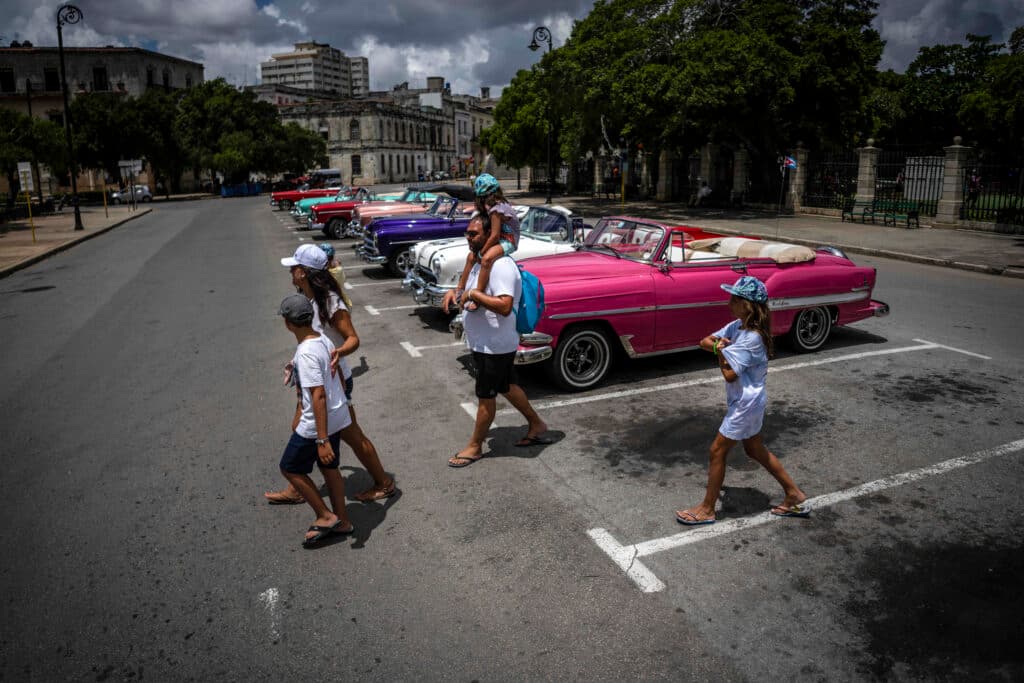
“If you can’t pay in dollars, which you couldn’t do, you have to find a way to do trade without using dollars,” Morris said, “and in fact, without going through the Western banking system. So, that’s why it’s secretive, and that’s where it grew [from].”
Morris said foreign investors also had reasons to keep things quiet. Many did not want to draw attention from Washington for doing business in Cuba.
That history makes GAESA difficult to untangle. The same secrecy that helped Cuba work around sanctions also makes it hard to know how the conglomerate makes decisions, how much money it controls and who benefits from it.
It also makes GAESA one of the hardest issues in any possible negotiation between Washington and Havana.
“The Cuban economy and the Cuban government don’t have too [much] to offer at the negotiation table,” said Vidal, the economist in Colombia. “The most interesting and profitable sectors are in the hands of GAESA.” He added that any serious economic opening would have to confront GAESA’s power.
Torres, the economist at American University, said that even if US sanctions and the US embargo were lifted, Cuba’s current model would still face deep structural problems.
“A sustainable solution to the energy crisis requires a productive and growing economy,” Torres explained. “Only that kind of economy can finance the energy infrastructure that a modern society needs.”
That would require more space for private activity, clearer rules, better access to foreign currency for productive sectors, better investment priorities and a different role for GAESA and other state actors that control key hard-currency flows Torres said.
