Public radio’s longest-running daily global news program.
©2026 The World from PRX
PRX is a 501(c)(3) organization recognized by the IRS: #263347402.

In the La Guajira region of Colombia, a multiyear drought and climate change-fueled natural disasters have disrupted Indigenous traditional agricultural practices. But new programs are helping the Wayuu people reinvigorate their traditional foods, especially the guajiro bean. Natalie Skowlund reports.
Luis Carlos Uriana Ipuana, a garden volunteer whose children attend the local school, digs up herbs in the school garden in Ishashimana, Colombia, on Monday, November 24, 2025. The 10-acre garden today grows a variety of other plants traditional to Wayuu gastronomy alongside the beloved Guajiro bean crop.
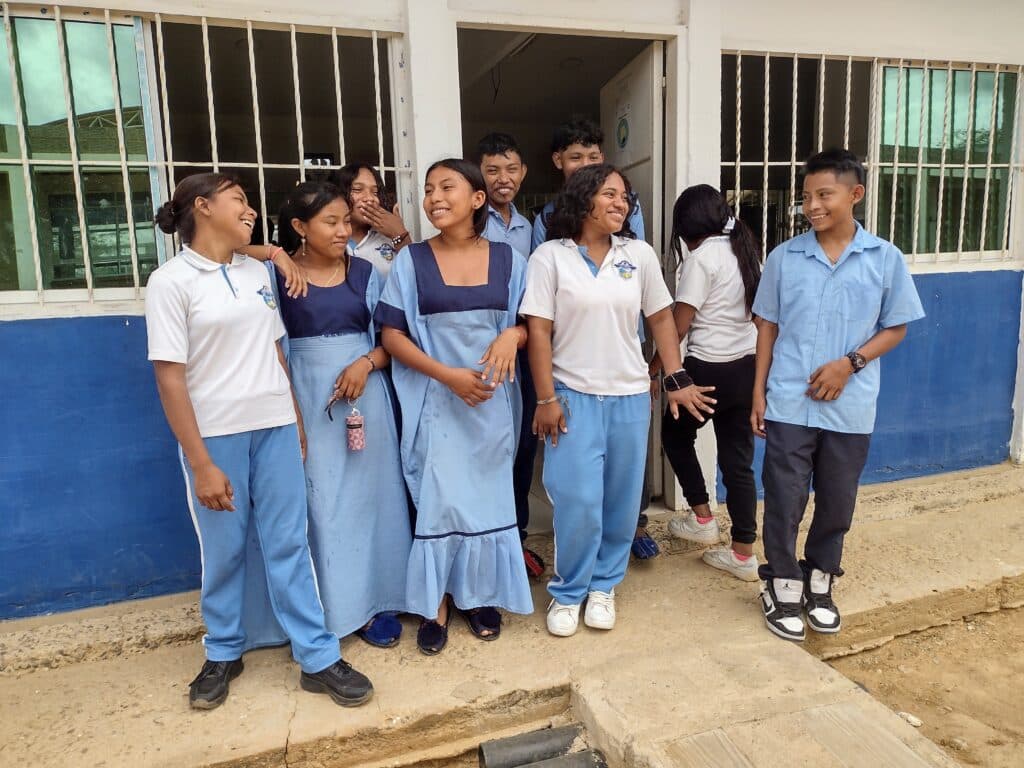
It’s lunchtime for students at the only school in the small village of Ishashimana, Colombia. Students chow down on plates of rice and lentils at long tables in the cafeteria. This meal will help power the school’s 1,800 pupils through the rest of their day of exams.
Although lentils take center stage today, another legume traditional to the Indigenous Wayuu people who live in this region put the small town of Ishashimana and its school on the map.
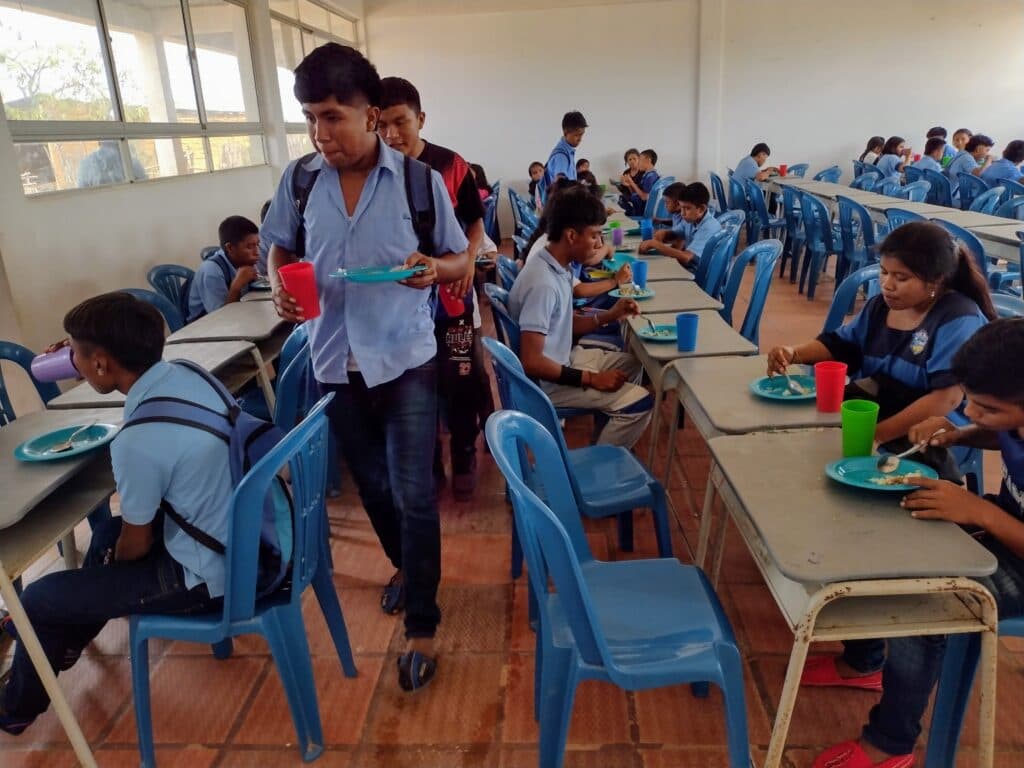
“We worked with the Guajiro bean,” the Ishashimana school’s founder Rita Viviana Uriana said in Spanish, “because it’s an important food staple for us.”
Ishashimana is located in Colombia’s largely Indigenous La Guajira region on the Caribbean coast. It’s one of the poorest parts of the country, where issues with fractured access to electricity and potable water pose formidable challenges.
Now, this little bean holds promise as the climate worsens and growing conditions become more difficult in the area. The small speckled Guajiro bean has adapted over generations to extreme conditions in the coastal desert region. The bean can be ready to harvest in as little as three months, and produces pods for as many as eight months after that. In fact, it’s edible at any stage of growth. It also contains a lot of protein, along with plenty of fiber and minerals. Its deep roots allow it to persevere through flooding and times of drought.
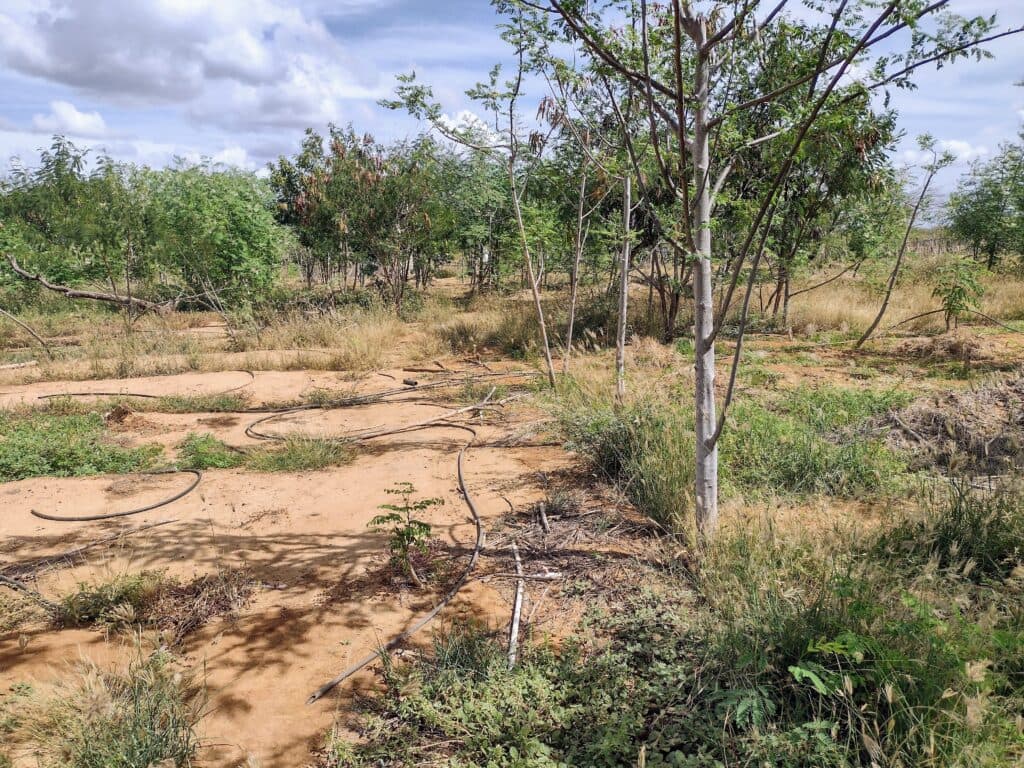
In Ishashimana, the Guajiro bean planted a seed of hope.
“It represented an easily accessible solution at hand for a community that faced an imminent food crisis,” Liliana Vargas, a Latin America and Caribbean regional project manager with the international nonprofit Slow Food, said of the bean.
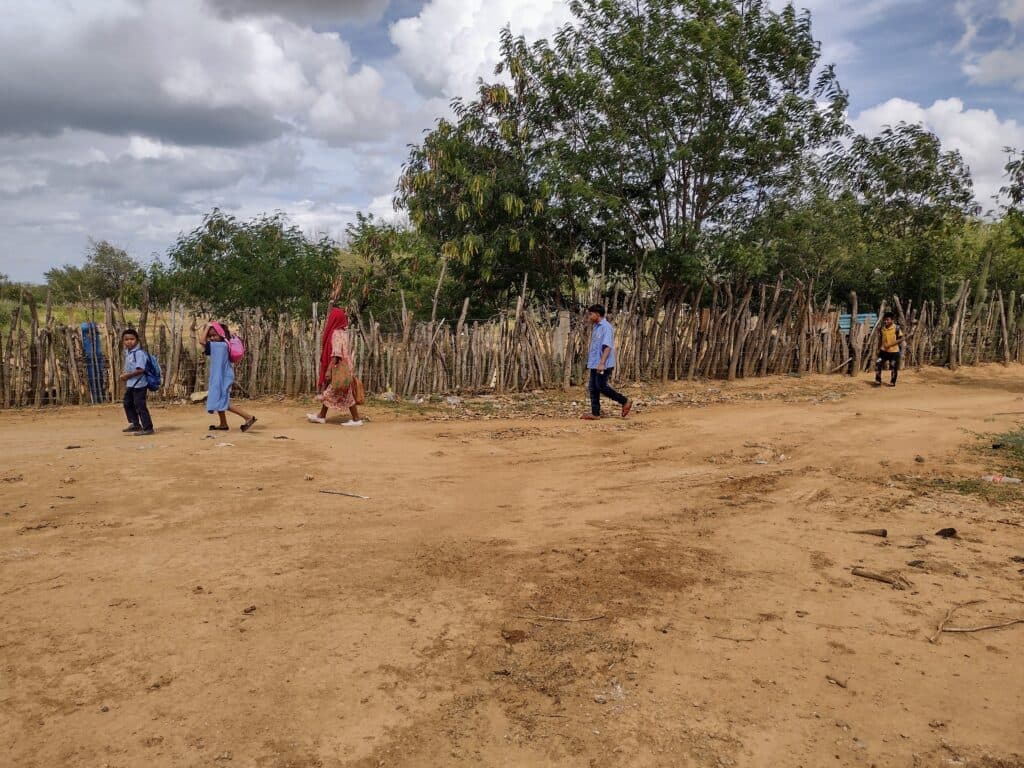
But even a bean this tough has had a harder time thriving as climate change has taken its toll. A major multiyear drought in the 2010s wrought havoc on crops and native seeds. A 2023 government report estimated rainfall in La Guajira diminished by as much as 80%. Rainy seasons in the region have become highly unpredictable.
It’s had a major impact on local food access.
“The La Guajira region, and specifically the Wayuu communities, have faced a food security crisis for a very long time due to the climatic conditions there,” Vargas said.
La Guajira still has some of the highest rates of malnutrition in Colombia, and staggering numbers of deaths among children and the elderly due to food scarcity.
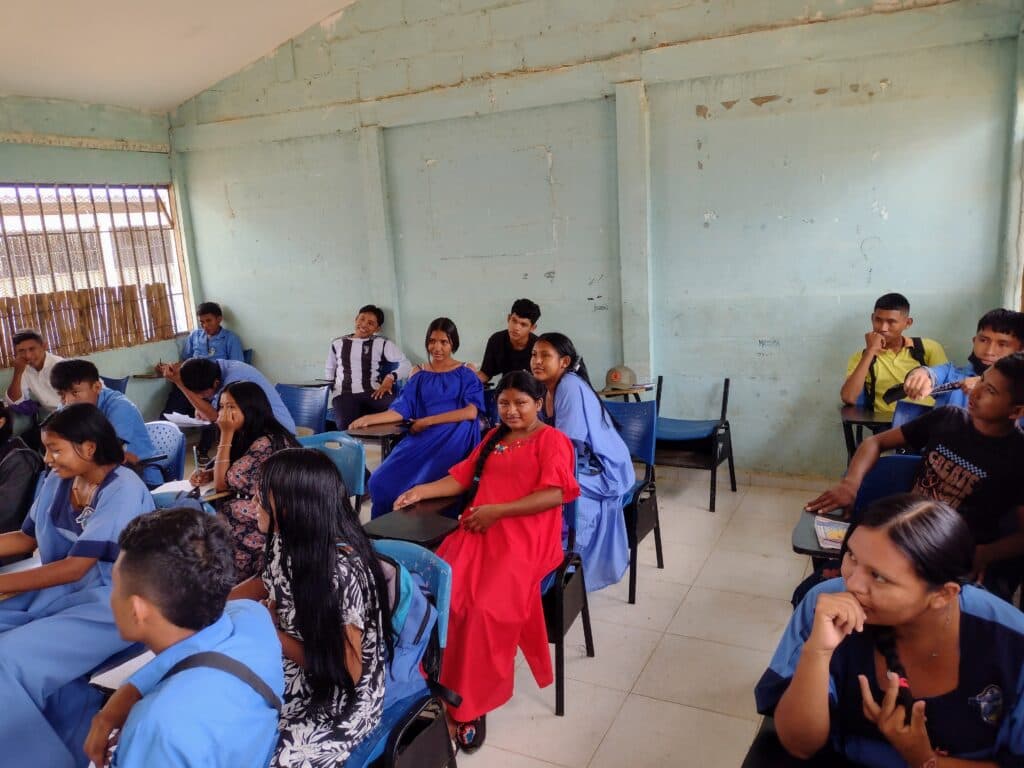
About a decade ago, Ishashimana leaders worked with Vargas’ team at Slow Food to reintegrate the Guajiro bean into their school garden. Years later, garden work has become part of students’ academic schedules, a way to offer hands-on experience graduates can eventually bring back to their hometowns. The goal is to eventually be able to feed the school’s student body and the surrounding community, and even offer new local sources of income from surplus crops.
The impact doesn’t end there. Rita Uriana said she received interest in the bean project’s success from international organizations like the United Nations.
“They told us, ‘This could be replicated in other communities,’” Uriana recalled.
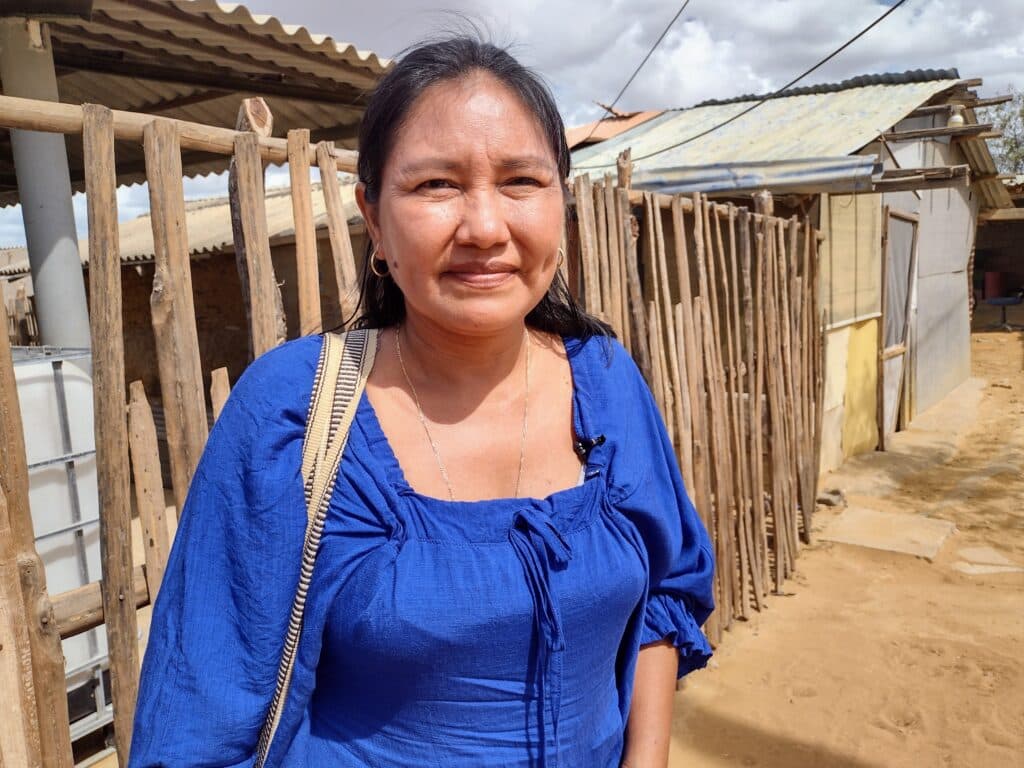
Jorge Gutierrez, a project coordinator with the Food and Agriculture Organization of the United Nations, said his team investigated a number of the Wayuu’s traditional crops and noted something special in the Guajiro bean.
“We realized the Guajiro bean was very drought-tolerant,” Gutierrez said.
Over the past few years, Gutierrez’s team has worked with locals to reintroduce the bean in 10 other Wayuu communities across La Guajira, integrating modern technology with traditional agriculture to help this ancient bean better survive in the modern world. Program leaders have helped develop water wells in communities to ensure plants can weather times of drought. They also offer agricultural training opportunities for locals. A few villages now have their own weather stations to keep track of local precipitation levels and other metrics.
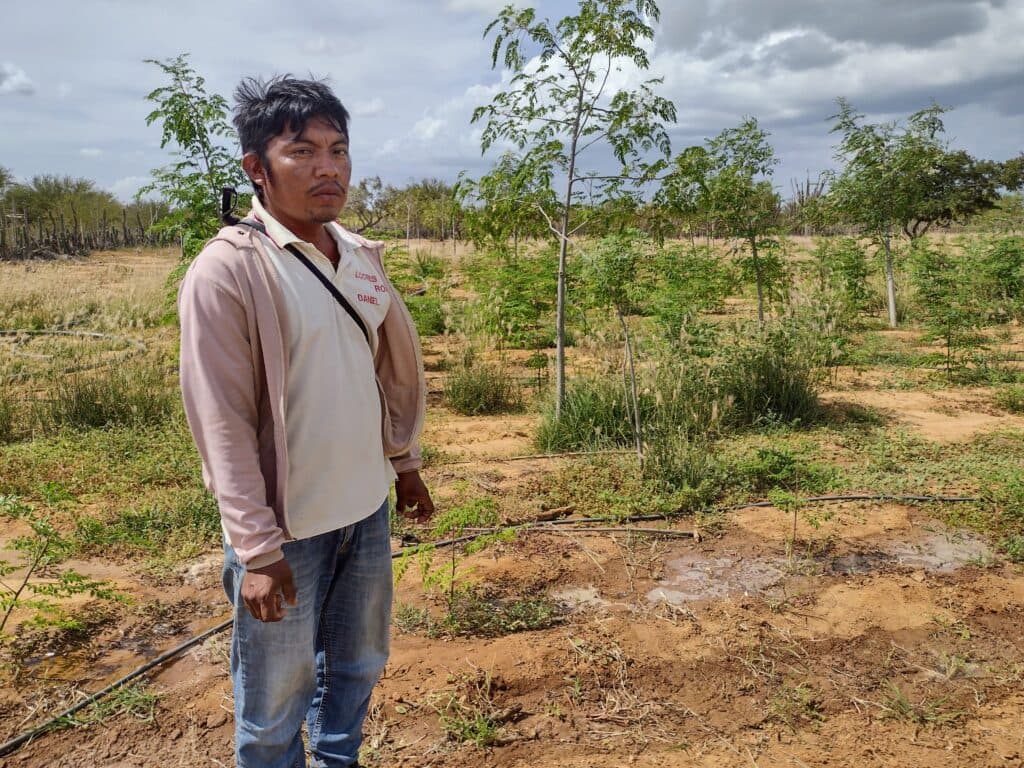
The goal is to leave the bean crops fully in the hands of residents within the next year.
“The greatest indicator is to see the project continue after we leave,” Gutierrez said.
Versions of this climate-adapted agricultural model have been implemented in other parts of the world. In Thailand, farmers received new technology to help track weather patterns that impact crop yield. Senegalese farmers learned new composting techniques to boost soil health. Closer to home, Gutierrez said countries like Nicaragua, Ecuador and Peru have all expressed interest.
One thing that will probably change between countries and communities? The bean.
“Each country or community can adjust the model and find their own ways to meet local needs,” Gutierrez said.
Back in Ishashimana, Rita Uriana pushes open a wooden gate and maneuvers past brush and branches as she steps into the 10-acre garden where the Guajiro bean took off all those years ago. Today, other plants traditional to Wayuu gastronomy, like watermelon and pumpkin, grow alongside the beloved bean crop.
It’s not always easy. Intruding animals can destroy a crop. Maintaining healthy soil is no easy feat. Sometimes water systems have broken down, causing plants to die.
“It can be very frustrating,” Uriana said.
Ultimately, though, she sees this as an investment in the future of her community, and others like hers.
“Our ancestral knowledge of how to plant seeds makes us stronger,” she said.