Public radio’s longest-running daily global news program.
©2026 The World from PRX
PRX is a 501(c)(3) organization recognized by the IRS: #263347402.

Ghana has approved the world’s first malaria drug for newborns, marking a breakthrough in infant care. But as rollout nears, US funding cuts are freezing critical research — threatening long-term progress in the fight against the disease.
Malaria remains a top killer of young children across Africa, and infants are the most vulnerable to the disease. Malaria killed nearly 600,000 people worldwide in 2023 — and almost all of the deaths were in sub-Saharan Africa. (This photo via UNICEF, taken in Nairobi, Kenya, was cropped from its original to 16:9).
Inside a modest three-bedroom house in Pokuase, just outside Ghana’s capital, Accra, Nadima Umar Uthman dipped a white towel into a bowl of warm water and pressed it gently onto her four-month-old daughter’s back.
“For me, motherhood has been a rollercoaster of emotions,” she said. “This is my third child. I have two boys and then one girl.”
She remembered the harrowing experience of watching her sons suffer from malaria as babies.
“Initially, I didn’t know what I was dealing with,” she recalled. “He had a very high temperature, he wasn’t feeding well, and so, I was very troubled.”
Malaria is a life-threatening disease spread by the bites of infected mosquitoes. It’s caused by a parasite called plasmodium that enters the bloodstream and attacks the body — often leading to fever, chills and extreme weakness.
It’s especially deadly in newborns, whose immune systems are underdeveloped and whose organs are still maturing. Now, Ghana has approved the world’s first malaria drug for newborns. But US funding cuts under the Trump administration are freezing critical research and threatening long-term progress in fighting the disease.
“The first few months of [a baby’s] life, as a new mom, you are trying to juggle motherhood, and a disease like malaria attacks your newborn, it is very heart wrenching,” Uthman said.
In 2023 alone, malaria killed more than 600,000 people worldwide — nearly three-quarters of them children. Africa generally accounts for 94% of all cases and 95% of all deaths, driven by year-round mosquito breeding, inadequate healthcare access and growing drug resistance.
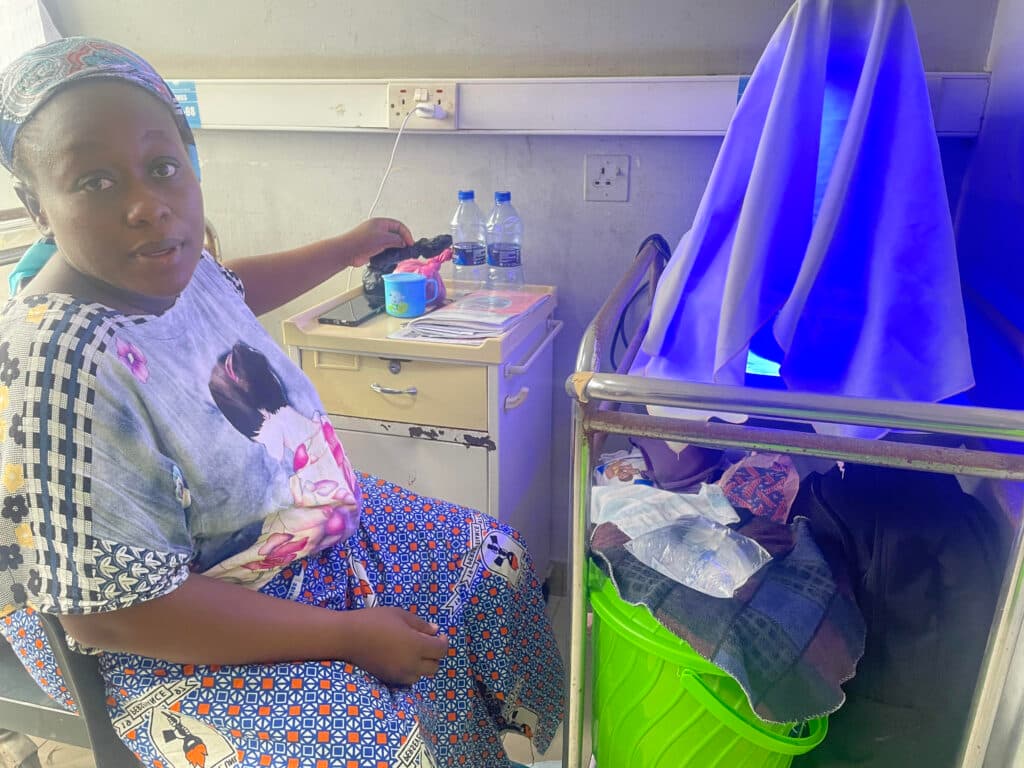
Despite this heavy toll, many still don’t realize how vulnerable infants are, said Audrey Baah, a 33-year-old mother who just gave birth to her second child at the Korle Bu Teaching Hospital in Accra.
She recalled nearly losing her first child to the disease.
“My baby became very hot and her eyes turned white. Then she had convulsions. I was terrified. I thought it was a spiritual attack,” she said, thinking her child may be possessed.
Doctors quickly diagnosed the baby with malaria and started treatment.
The issue with babies is that they often have fragile livers, kidneys and an immature metabolism. And no malaria drug was made for that. Doctors have had to repurpose medicine meant for older children, exposing a serious “treatment gap.” But that gap may finally be closing.
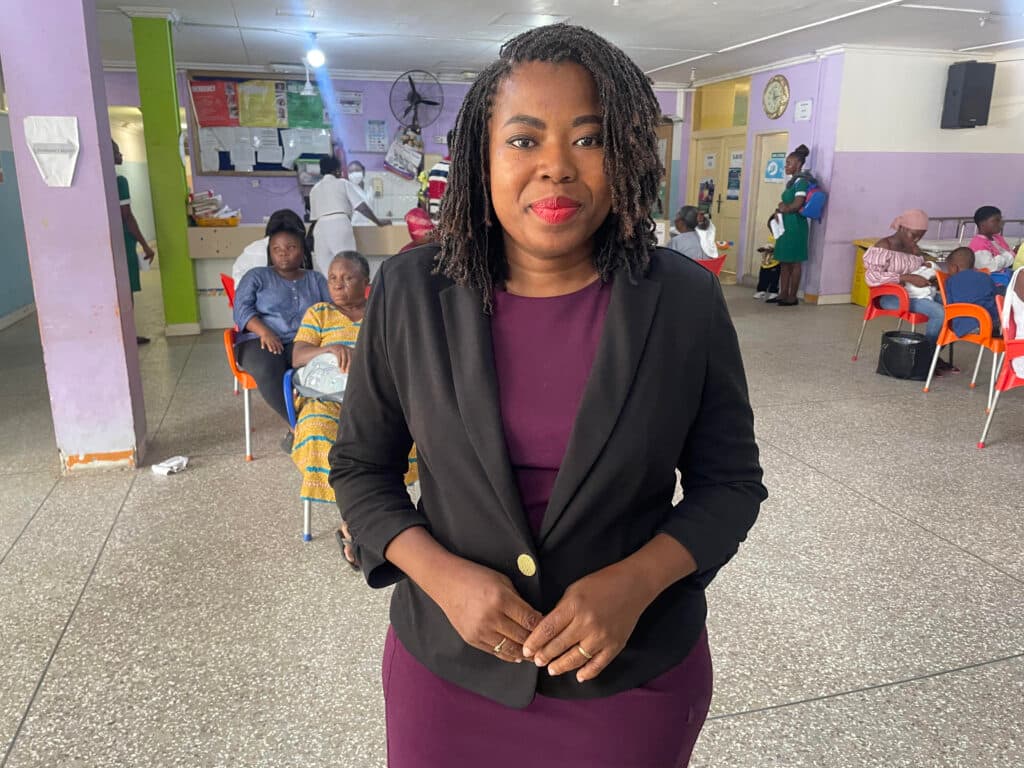
“It’s good news for us,” said Dr. Hilda Mantebea Boye, a pediatrician at Korle Bu and president of the Pediatric Society of Ghana. “This is going to be the first time we will have such a formulation, so it’s good news.”
The newly approved drug, Coartem Baby, is the result of nearly a decade of research, including clinical trials across eight African countries. Developed by pharmaceutical company Novartis, with support from the Swiss nonprofit Medicines for Malaria Venture, the cherry-flavored medication dissolves in breast milk and has been proven safe and effective for infants.
“I think that the burden of thinking about whether you are overdosing the child or underdosing the child is going to go away,” said Boye. “This time you are going to be a bit more confident and comfortable knowing that it has been tested in this age group and it is safe, and it is made just for them.”
But even as science advances, funding is falling behind — and malaria experts are sounding the alarm.
“So, the US government support we know has dwindled,” said Dr. Paul Boateng, head of case management at Ghana’s National Malaria Elimination Program. “And of course, directly through USAID, malaria specific, we know that we have a gap currently of about $10 million.”
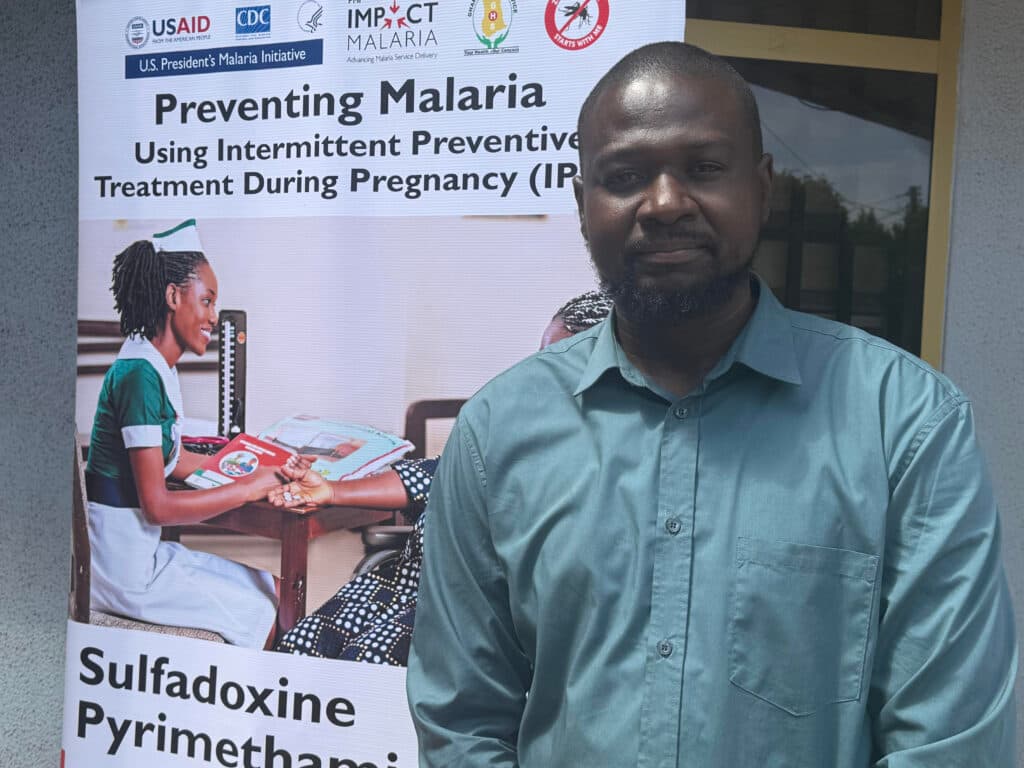
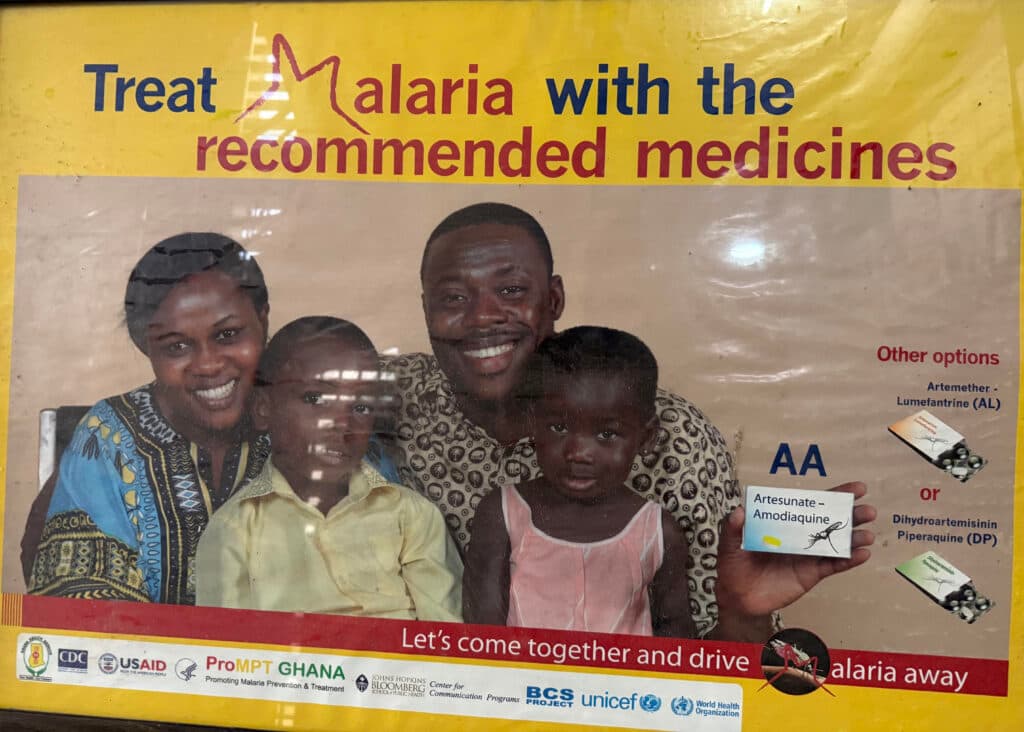
For years, the US government — through USAID, the Centers for Disease Control and Prevention, the National Institutes of Health and the President’s Malaria Initiative — has been one of the largest funders of Africa’s malaria fight. But that has changed with foreign aid cuts under US President Donald Trump.
And the impact in Ghana has been immediate.
“So, in terms of indoor residual spraying, it has affected that,” Boateng explained. “It also affected net distribution. It affected some training we are supposed to do. It affected advocacy, social behavioral change, communication, TV adverts and all of that.”
These cuts come at a critical moment. The malaria parasite is evolving, becoming more resistant to standard treatments. And asymptomatic carriers — people who have the parasite but no symptoms — are silently spreading the disease in communities.
Beyond hospitals and households, the funding cuts are also being felt in research laboratories — especially those focusing on preventing malaria before it happens.
At the University of Ghana, researcher Fred Aboagye-Antwi is looking for solutions in the DNA of the mosquito itself. As a senior lecturer in animal biology and conservation science, he studies the genetics of Anopheles mosquitoes, exploring gene drive technology to reduce their ability to transmit malaria. He also leads Ghana’s chapter of Target Malaria, a global research consortium.
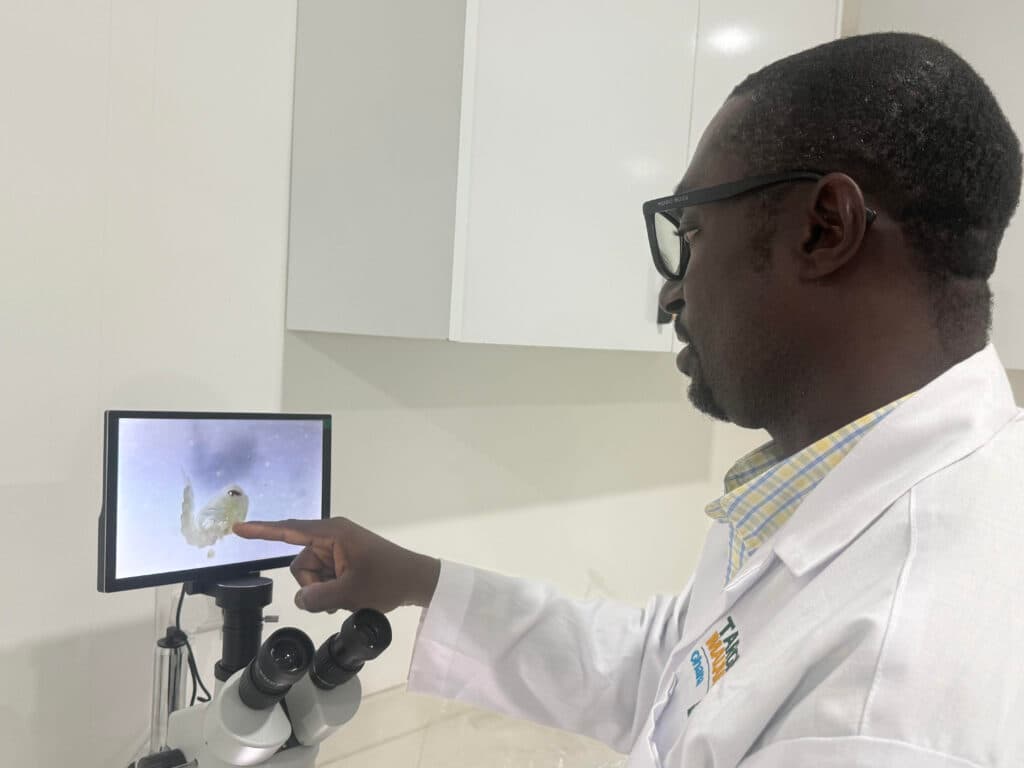
But his research, too, is stalling, “with the truncation of funding comes with truncation of research activities,” according to Aboagye-Antwi.
Many collaborative studies with international partners have been suspended or abandoned.
One promising project aims to test whether certain plant juices — what mosquitoes naturally feed on — could influence their ability to carry malaria.
“We had developed the concept, we had developed the proposal and we were about to submit it, and then it turns out that funding has been withdrawn for all foreign funded research,” he said.
He added the study had the potential to reshape malaria prevention across Africa. If specific plants were found to weaken mosquitoes’ ability to spread the parasite, then strategically planting them in malaria-prone areas could have offered a natural, low-cost way to curb the disease.
“But with foreign grants frozen, we can’t even discuss it any further. It’s on ice”, he said.
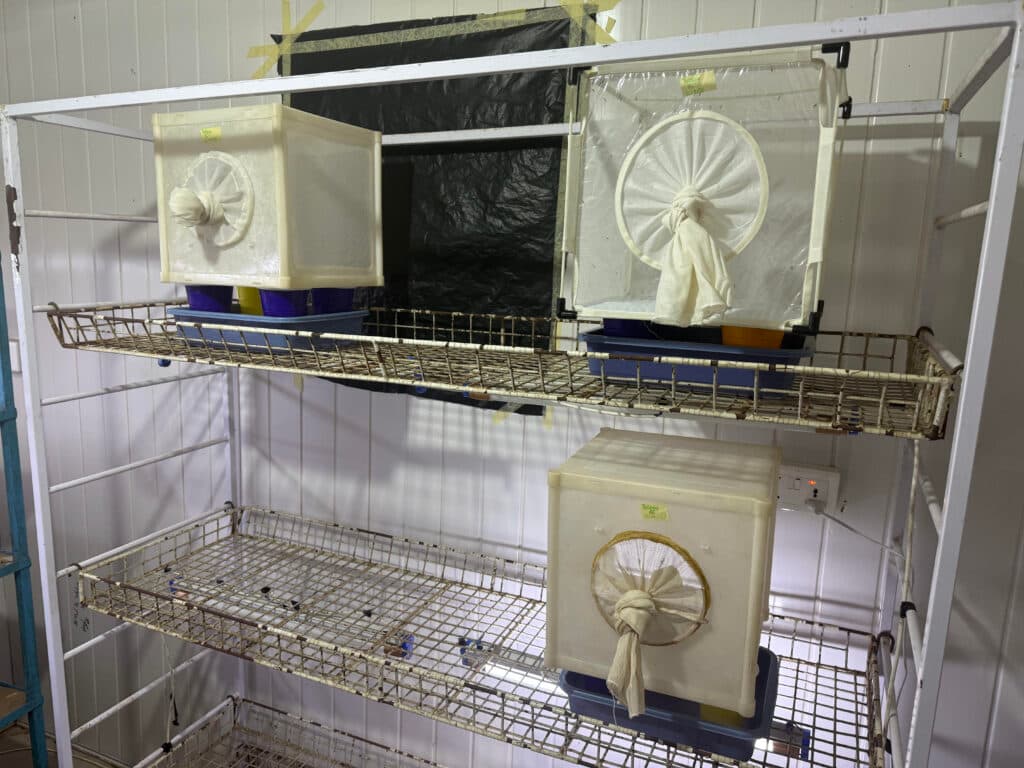
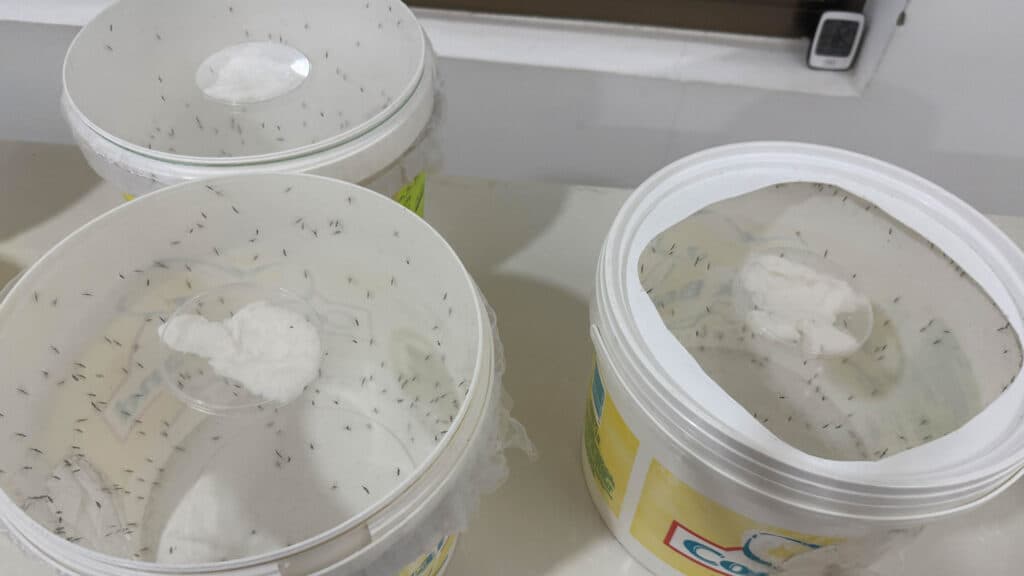
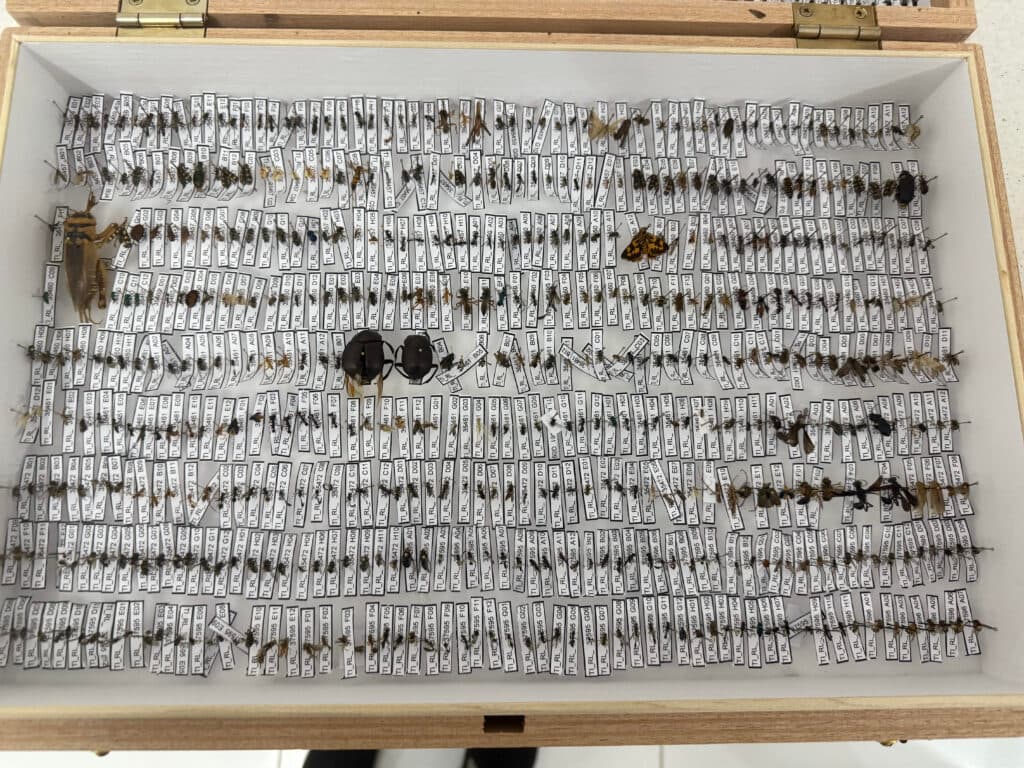
Meanwhile, at the Ghana Atomic Energy Commission, Professor Michael Osae is breeding scores of male Anopheles mosquitoes. He uses the sterile insect technique — essentially, mosquito birth control through radiation.
Sterile male mosquitoes are then released into the wild. They mate, but produce no offspring, helping to shrink mosquito populations.
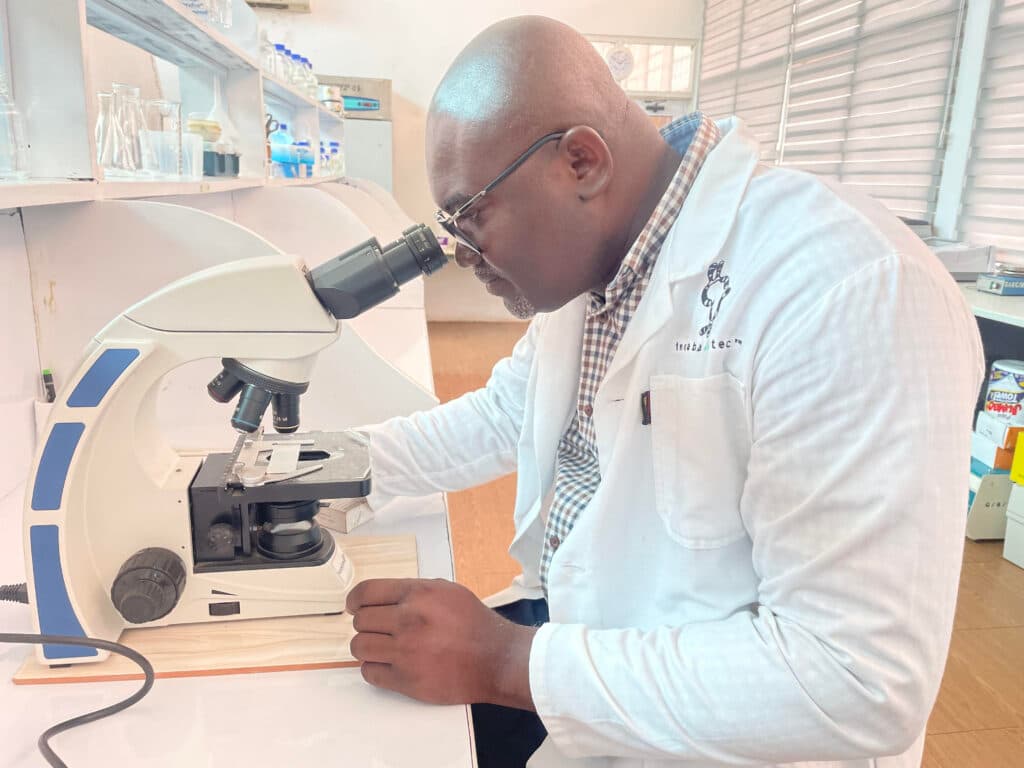
But with USAID gone, the work has slowed down.
“We depend mainly on donor funding, and USAID has been one of the biggest funding sources for malaria work in this country,” said Osae. “So, their demise has really affected a lot of these activities.”
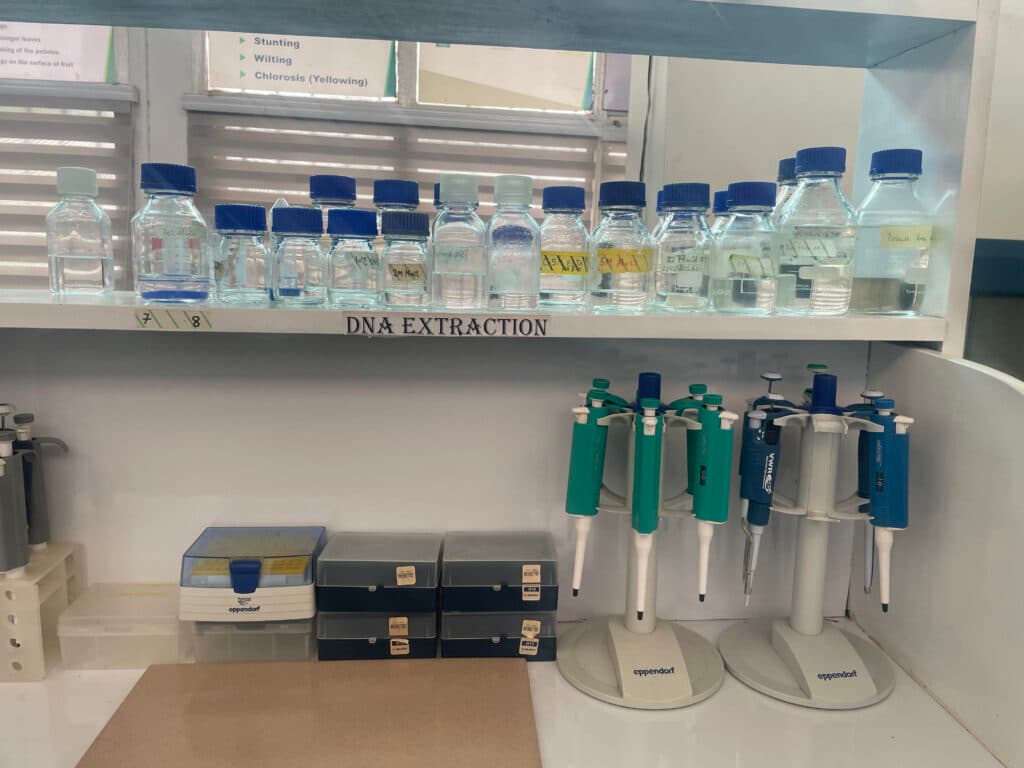
Without consistent funding, even basics like mosquito collection and PCR reagents become impossible.
“If you have to send people to the field to go and collect mosquitoes and collect data in the field for you, you need money,” he said. “And if the funding is cut, then that work cannot go on.”
Professor Jane Carlton, who leads the Malaria Research Institute at Johns Hopkins University said the funding cuts risk rolling back decades of global progress.
“My colleagues who work in this area predict that the loss of all US funding will likely mean fewer vaccine introductions into low- and middle-income countries. So, it is very disturbing,” she said.
The World Health Organization has already approved two malaria vaccines — RTS,S and R21/Matrix-M — for children in high-risk regions. Both are being integrated into routine immunization schedules across Africa and could save tens of thousands of lives annually.
But these gains depend on the continued deployment of a mix of tools — vaccines, mosquito control and research.
Carlton said pulling US support also damages American leadership in global health.
“The US is shooting itself in the foot,” she said. “In terms of global health security and research innovation and also geopolitical influence. All of those are going to decrease. I think it is really a disaster.”
In Ghana, researcher Michael Osae said the private sector must step up if the country hopes to stay on course.
“If they can see that and dedicate some of their corporate social responsibility funding to support malaria elimination, we all will be able to win the war against malaria,” he said.
But Boye, of Ghana’s Pediatric Society, said that won’t be enough. She wants African leaders to continue engaging the US government.
“I think that there can be a bit more negotiation,” she said. “Especially the projects that were originally agreed upon and were continuing on to hopefully be continued.”
Researcher Aboagye-Antwi is, however, skeptical about any negotiations. He said funding is being clawed back from critical areas even in the US. “So, frankly speaking, I think the door is closed,” he said.
Back in Pokuase, Nadima Umar Uthman said she is excited about the new baby-friendly malaria drug and simply can’t wait for its rollout in Ghana.
“I am really hoping that it gets to Ghana quickly,” so more children don’t have to die, she said.
Ghana is poised to be the first country in Africa to roll out Coartem Baby, potentially by the end of the year.
But scientists warn that without sustained investment in prevention and research, even the best treatments may fall short.
Because malaria is always evolving. And so must the fight.
This story was produced with support from the Pulitzer Center on Crisis Reporting.