BP wins first U.S. drilling permit since Gulf spill
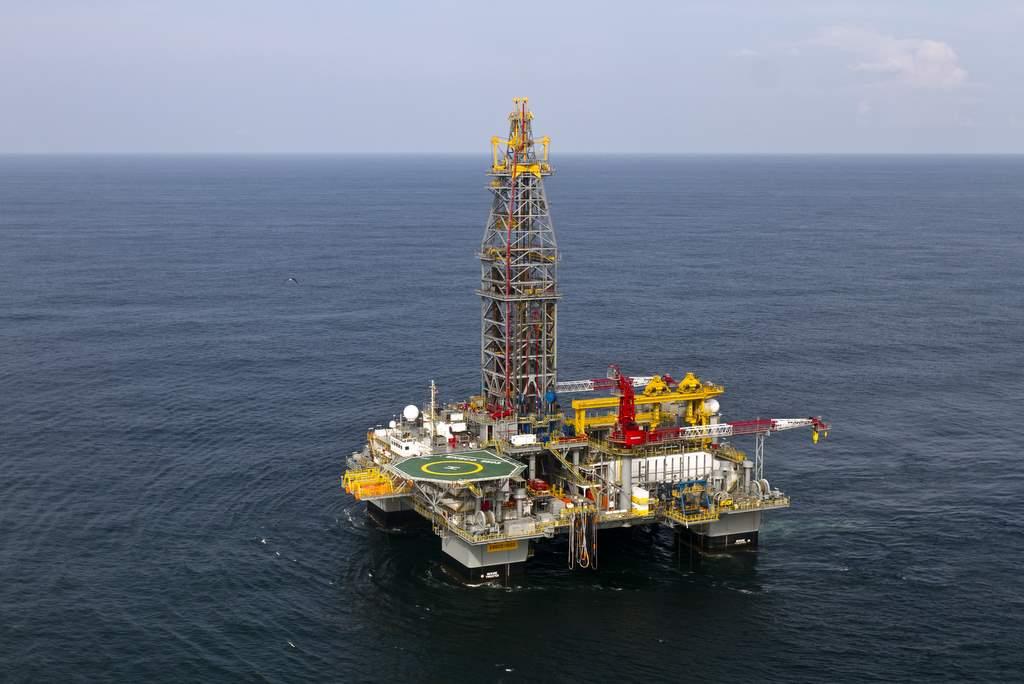
The Bureau of Safety and Environmental Enforcement (BSEE) on Wednesday announced that it has approved BP's first drilling permit for a new oil well in deepwater Gulf of Mexico since the Deepwater Horizon disaster last year.
In a news release, the BSEE said that the permit meets "enhanced safety requirements and standards established following the tragedy." The proposed well is part of BP’s so-called Kaskida prospect, and is located around 250 miles south of Lafayette, Louisiana, at a depth of 6,034 feet.
“BP has met all of the enhanced safety requirements that we have implemented and applied consistently over the past year. In addition, BP has adhered to voluntary standards that go beyond the agency’s regulatory requirements,” BSEE Director Michael Bromwich said in a statement. “This permit was approved only after thorough well design, blowout preventer, and containment capability reviews.”
More from GlobalPost: US officials approve BP's plan to resume gulf drilling
In an email to Bloomberg, BP spokesman Scott Dean said the company is "pleased to have received a permit."
Jason Kenney, a European oil-industry analyst for Madrid-based Banco Santander SA, told Bloomberg that it is "important for the U.S. to have BP drilling and finding resources."
Reuters reports that BP Chief Executive Bob Dudley said Tuesday that the company has turned a corner since the disaster.
The article you just read is free because dedicated readers and listeners like you chose to support our nonprofit newsroom. Our team works tirelessly to ensure you hear the latest in international, human-centered reporting every weekday. But our work would not be possible without you. We need your help.
Make a gift today to help us reach our $25,000 goal and keep The World going strong. Every gift will get us one step closer.