Philippines: fines for moviegoers who use phones during show?
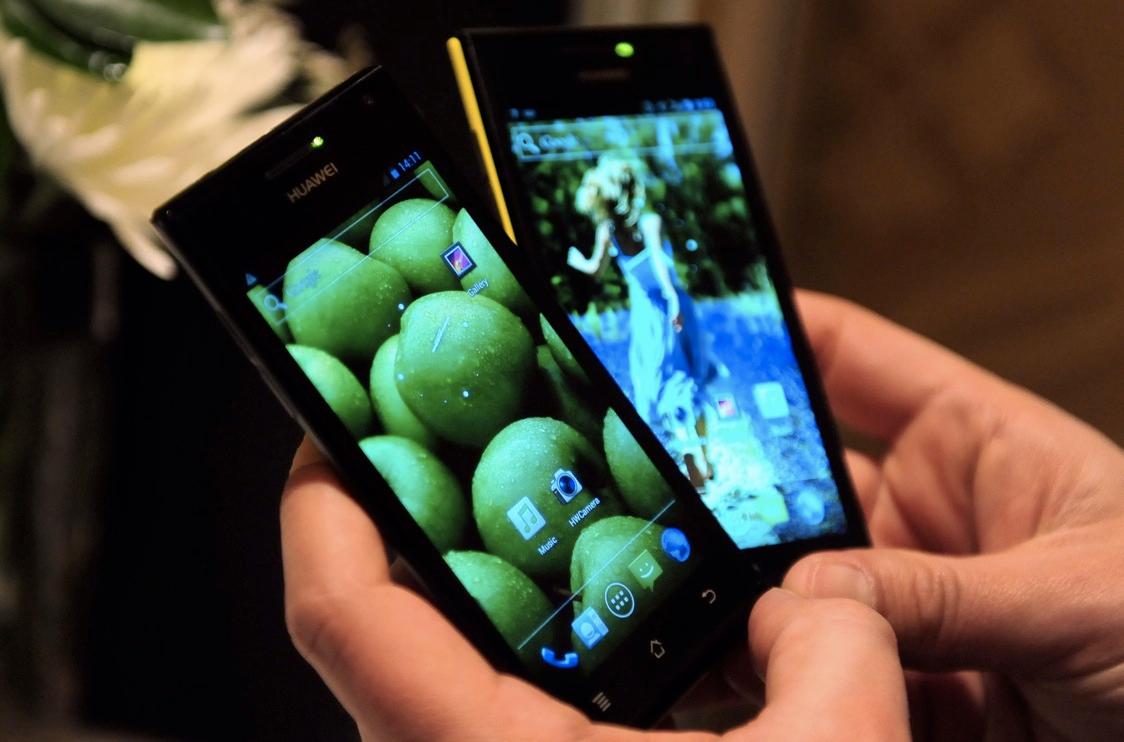
The Huawei Ascend P1 S mobile phone (L) is displayed during Press Day Events at the annual Consumer Electronics Show on Jan. 9, 2012 in Las Vegas, Nevada.
A veteran lawmaker in the Philippines has introduced a bill that would punish moviegoers who talk on their mobile phones while a film is playing.
Senator Miriam Defensor-Santiago’s “Silent Mode Act” requires audiences attending events at cinemas, concert halls, auditoriums and other public performance spaces to turn their phones, tablets, two-way radios and other electronic devices to off, vibrate or silent mode while in the venue, GMA News reported.
If a person’s cellphone rings or they attempt to play a game during a show, venue employees are to hustle them out of the theater, according to GMA News.
Under the proposed law, offenders would be fined $12 for the first time they disturb the peace, $24 for the second time and $72 for the third time, GMA News reported. If they are removed from the theater mid-show, the cost of their ticket will not be refunded.
Poor mobile phone etiquette in theaters is not just a problem in the Philippines, where nine out of every ten people own a mobile phone.
Recently the Providence Performing Arts Center in Rhode Island tried a different solution to stop audience members from tweeting during shows, the Associated Press reported. It set aside a small number of seats in the back for people who can’t stay off their phones and agree to live-tweet the show using a special hash tag.
More from GlobalPost: Chinese villagers forced to buy cellphones to qualify for welfare
Every day, reporters and producers at The World are hard at work bringing you human-centered news from across the globe. But we can’t do it without you. We need your support to ensure we can continue this work for another year.
Make a gift today, and you’ll help us unlock a matching gift of $67,000!