Banks and colleges partner up to market student debit cards
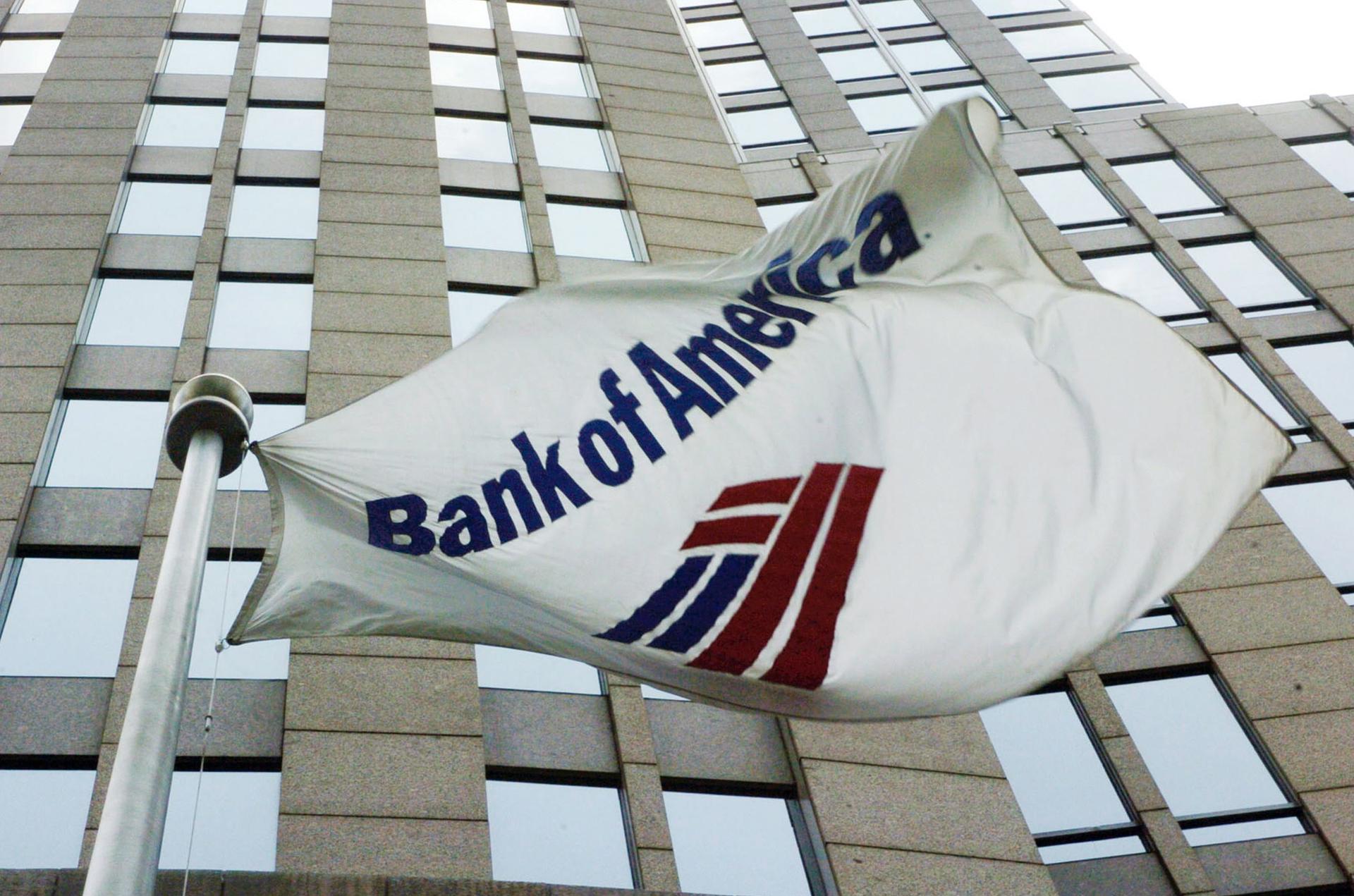
For the full year of 2011, Bank of America secured net profits of $1.4 billion, compared with a net loss of $2.2 billion in 2010, signaling sustained recovery for the company.
Nearly 900 colleges and universities have partnered with banks to market debit or prepaid cards to students, a new report has warned.
The report, by public advocacy group the U.S. Public Interest Research Group Education Fund, found that banks use aggressive marketing tactics to bring university students in as customers, with encouragement from the universities themselves. The report found that 32 of the country's 50 largest public 4-year universities had debit or prepaid card contracts with a bank or financial firm. While colleges benefit financially from the contracts, the students can end up losing out. The fees for the cards "can be steep and frequent for students using the university-adopted cards," the report found.
More from GlobalPost: Promises, pitfalls await investors in Burma’s frontier
The company that makes the most use of those contracts is Higher One, which has contracts with 520 college campuses. The company's fees have prompted complaints at a number of campuses, the New York Times reported.
To be sure, banks are no longer allowed to partake in a number of student-centered marketing tactics, such as providing gifts to students that sign up for credit cards. But the report found that colleges have found other ways to partner with banks, by turning student ID cards into debit cards and then "allowing lenders to take over disbursement of financial aid," the Times reported. In some cases, schools received extra money for allowing a bank to have exclusive access to the students.
“Campus debit cards are wolves in sheep’s clothing," Rich Williams, the lead author of the report, told the Times.
The article you just read is free because dedicated readers and listeners like you chose to support our nonprofit newsroom. Our team works tirelessly to ensure you hear the latest in international, human-centered reporting every weekday. But our work would not be possible without you. We need your help.
Make a gift today to help us reach our $25,000 goal and keep The World going strong. Every gift will get us one step closer.