On the ground in Mumbai with Across Women’s Lives: Escaping the chaos
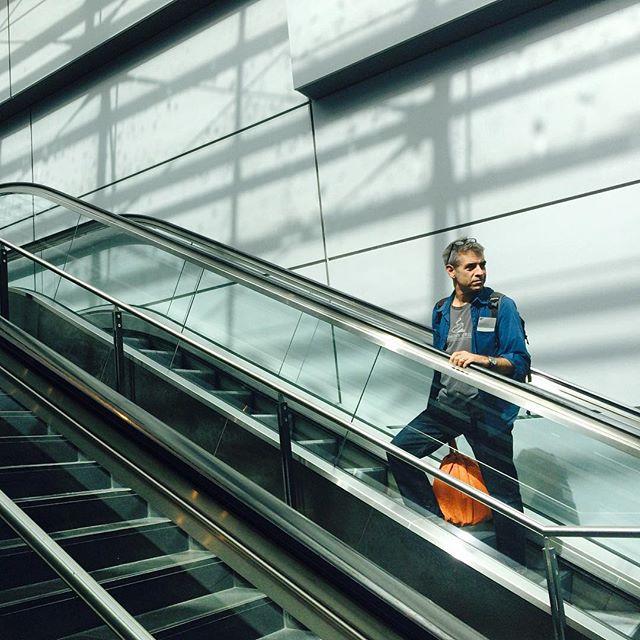
As the Across Women's Lives team travels the chaotic streets of Mumbai this week, meeting inspirational women and reporting on their feats of feminism, we'd like to give you a peek into the reporting process like never before.
All month we will feature a curated social media digest from the whole team, as well as dispatches from different #HerRights journalists on the ground. First up, Marco Werman, host of PRI's The World.

FOLLOW THE TEAM
Marco Werman | Host, PRI's The World: @MarcoWerman
Rhitu Chatterjee | #HerRights Co-Host: @RhituC
Anne Bailey | Visual Journalist/Digital Producer: @annebaileymedia
Isis Madrid | Social Media Journalist: @isismadrid
Andrea Crossan | Field Producer: @AndreaCrossan
Chhavi Sachdev | Fixer: @chhavi
MARCO'S DISPATCH
The other day, I asked radio producer Chhavi Sachdev, who’s been working with us on the ground here in Mumbai, what she missed the most about Boston, where she lived before returning to her hometown. “The quiet,” she replied without hesitation.
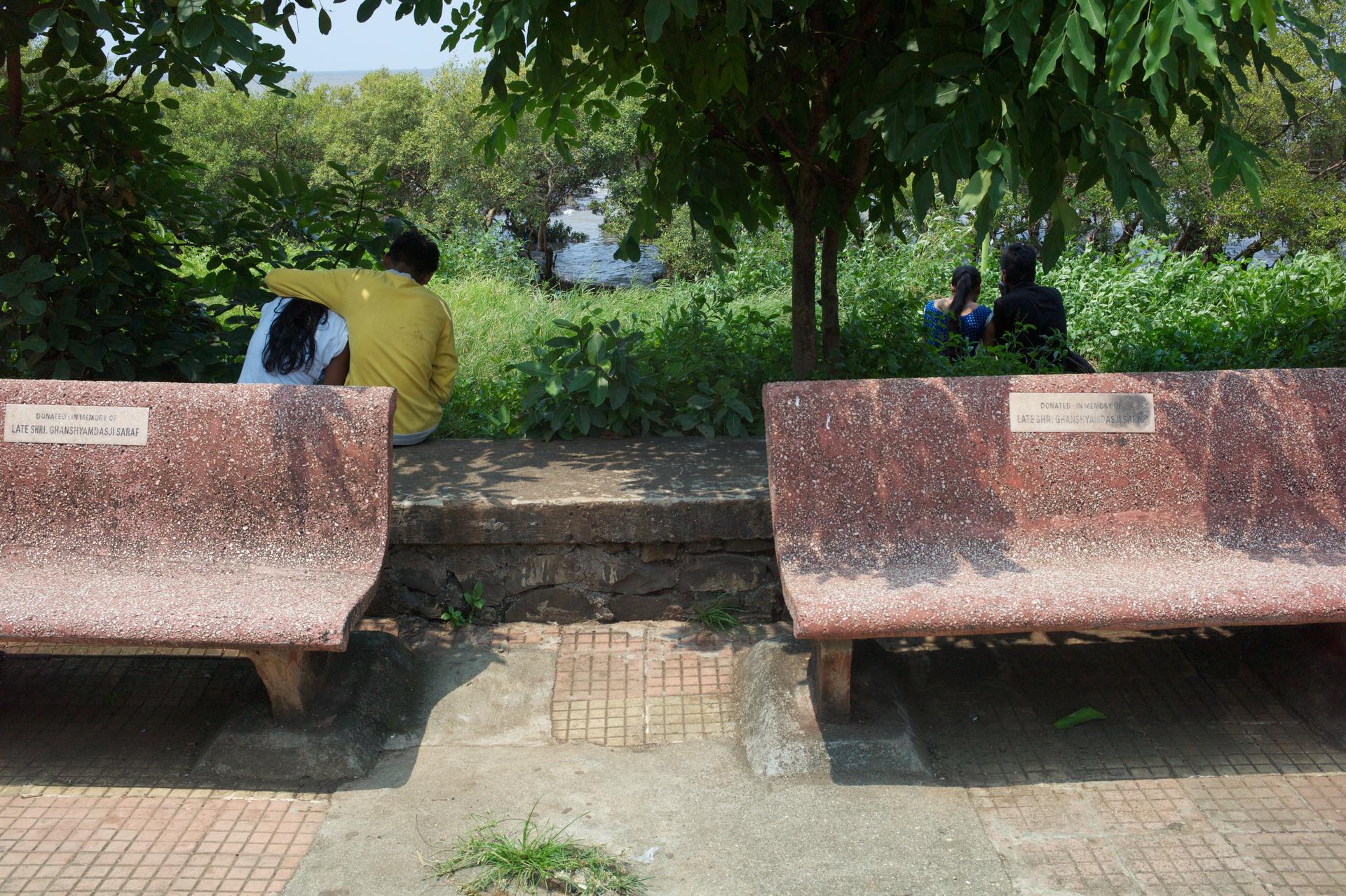
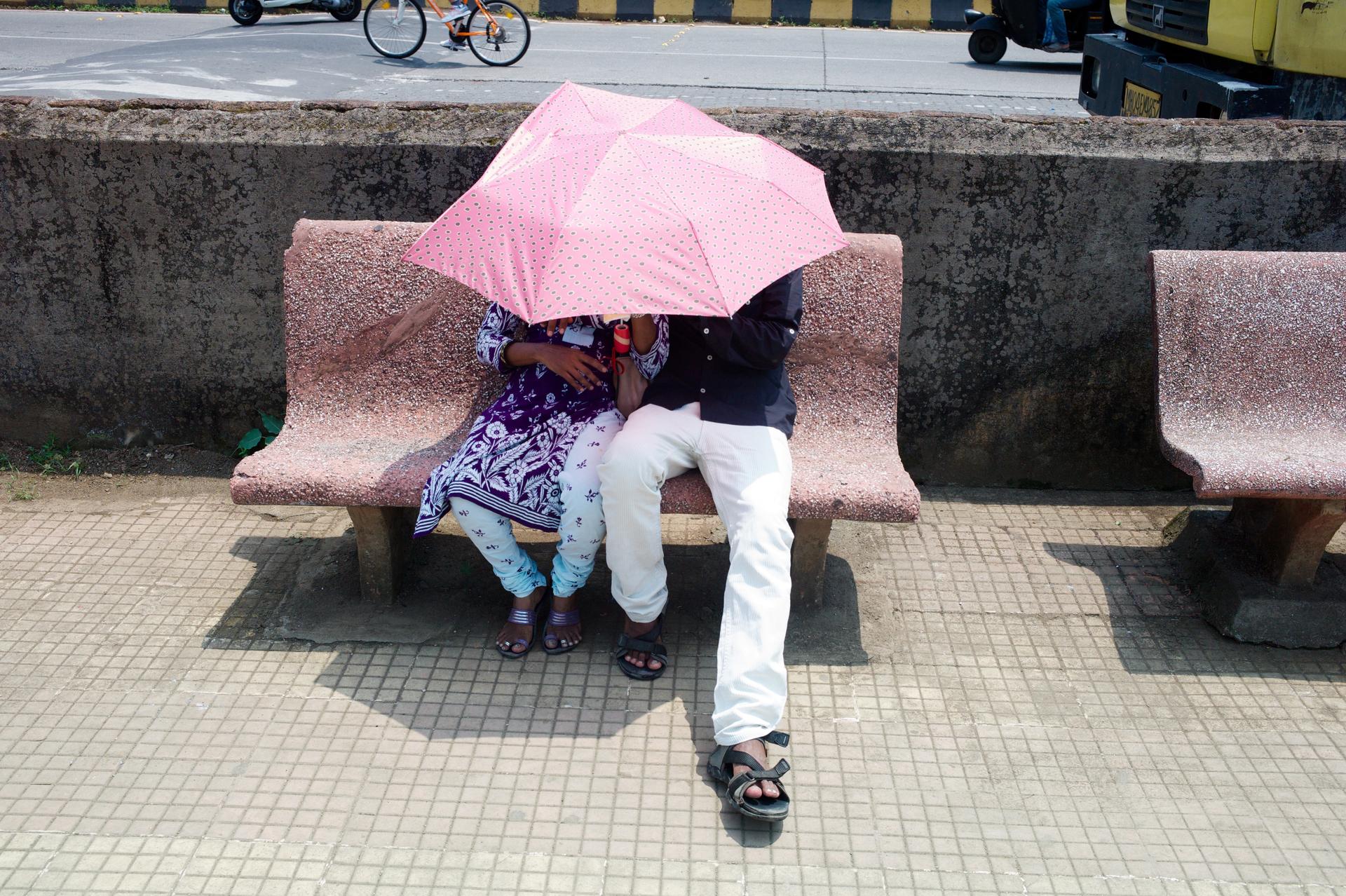
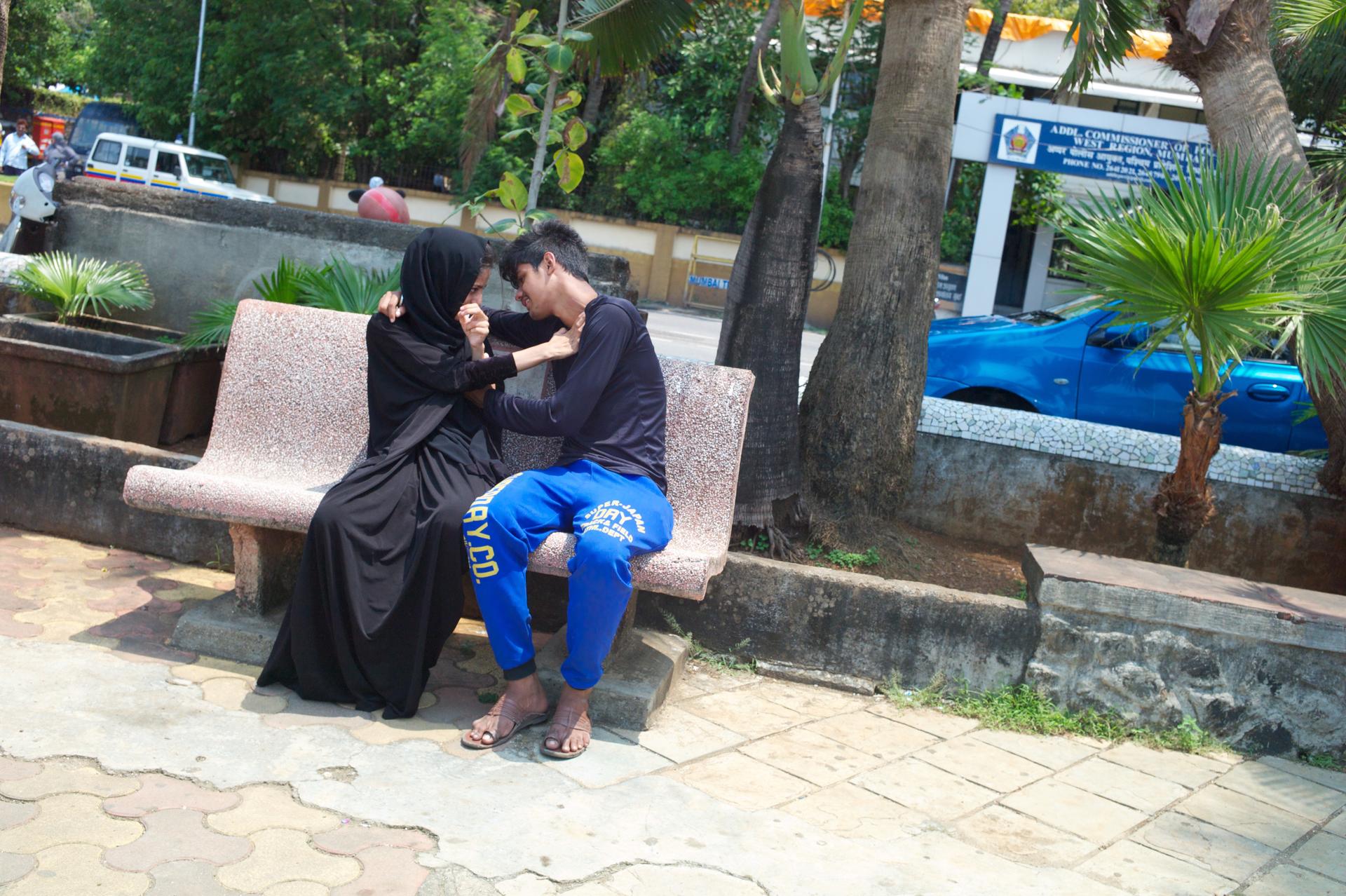
This description will sound cliché to anyone who’s visited Mumbai. And really, aside from a few added sonic details, it’s not that much different from a bad rush hour in Boston. But this is a city of 22 million people, squeezed close together because they have to be. The wealthy can choose where they want to live, but the vast majority of this city’s residents are not going to drift too far from the center of Mumbai, because otherwise you’re facing commutes to work of more than two hours each way.
Even civil servants with modest salaries find themselves living in cramped spaces, cheek by jowl with neighbors, not necessarily in apartment blocks. Places that if you saw them, you would call a slum. This is how 70 percent of Mumbai lives. Think Brazilian favelas, where there is a sense of permanence to the dwellings, even if they look like they were designed by Dr. Seuss: boxy apartments of wood and mud brick, zinc siding and tarpaulins, stacked side-by-side or on top of one another, ladders and steps tying rooms and flats together. Alleys leading to water pumps for cooking, bathing and drinking. Open electrical wiring that is so knotted, it looks like clusters of black instant noodles.
Last night, producer Andrea Crossan and I went out for a walk in the Bandra West neighborhood near our hotel. We took in the sights at the Bandra Fair, and then tried circling back, but got lost in one of those slums. It wasn’t as vast or as decrepit as Dharavi, where I took a couple of deep dives last week. But it was far from middle-class, even though a lot of middle-class Bombayites live there. It seemed the deeper we wandered, the alleys funneled us into narrower spaces. No longer were there horns or bells ringing or loud auto-rickshaws. I dodged half-dressed men and women in loosely wrapped saris, straining to carry buckets of water to their homes. The paving stones were slippery. And it felt like we might not find our way out.
But any anxiety that might have gripped me was dispelled because when I was there, I was reminded what a semi-quiet neighborhood sounded like.
We want to hear your feedback so we can keep improving our website, theworld.org. Please fill out this quick survey and let us know your thoughts (your answers will be anonymous). Thanks for your time!