Public radio’s longest-running daily global news program.
©2026 The World from PRX
PRX is a 501(c)(3) organization recognized by the IRS: #263347402.

They’re dolls, but you might not realize it unless you pick one up. They’re known as “reborn babies,” and they originated in the US. But they’ve really caught on in Spain, where people collect the life-like dolls, role-play as parents online, or use them for therapy. Some health professionals worry people might take the simulation too far. The World’s Gerry Hadden reports from Barcelona.
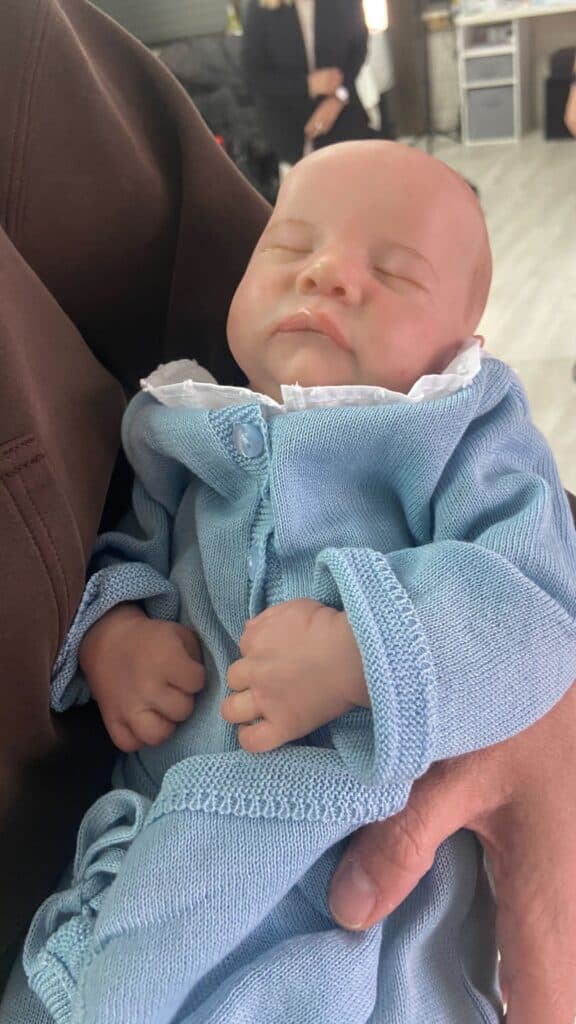
“Reborns” are dolls that look lifelike to human newborns; you often can’t tell they’re not breathing until you pick one up.
If you ask Tamara Adalma how many children she has, you’ll get a couple of answers. She’s given birth to three of her own kids. But she’s made a lot more babies than that.
“I’ve made about 300 [babies] out of vinyl … 301 to be exact,” she told The World. “As for silicone, around 30 more.”
As birth and fertility rates are falling in Spain — and also across Europe — “reborn babies” are on the rise.
“Reborns” are NOT real babies — They’re dolls. Dolls that look so life-like, you often can’t tell they’re not breathing until you pick one up.
Thanks in part to online influencers who treat the reborns like the real deal, they’re gaining popularity among collectors. For other people, the dolls bring comfort, helping combat loneliness or even grief.
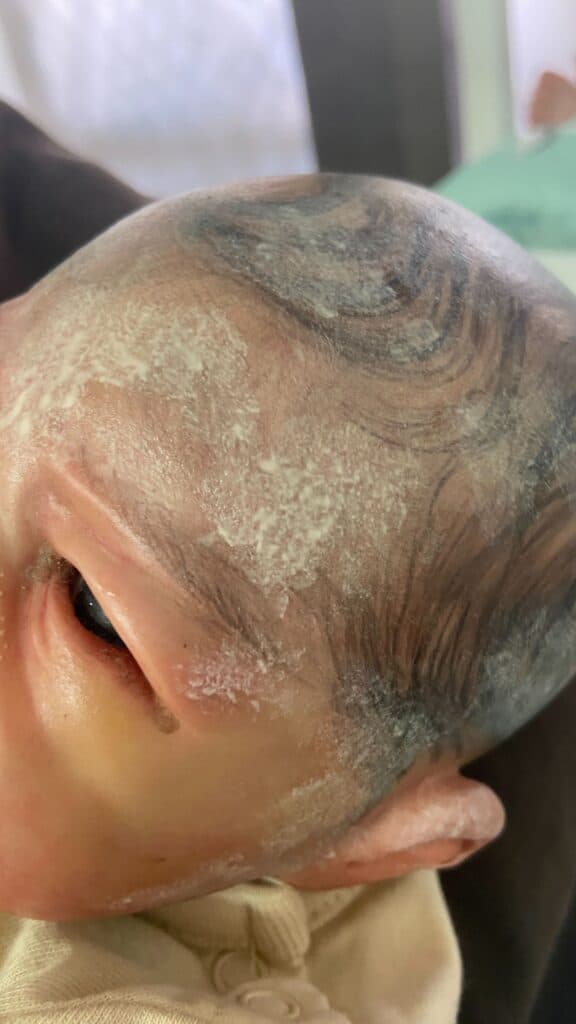
Adalma is one of Spain’s most prolific reborn baby makers. In her Barcelona workshop, there are tables for assembling the dolls, painting the skin, implanting the lifelike hair and installing the eyes. There’s a wooden crate with spare limbs and heads. And then there are the finished dolls, on shelves and in baby beds. Adalma showed The World a reborn boy, dressed in a light blue onesie, eyes closed.
It takes weeks to make a realistic reborn doll. Makers work diligently to get the skin tone just right and the perfect lip hue — at times requiring up to 40 layers of paint and emulsions. The actual weight of the dolls also needs to be distributed correctly to make it feel real in your arms.
For Adalma, this is art, she says, a kind of therapy.
“When you’re creating like this, your mind goes blank,” she said. “… like when you pray or meditate. And when you hold the finished reborns in your arms, you feel a sense of peace and calm and such a strong attachment to them.”
But Adalma makes them to sell … or for adoption, as they say in the “reborn-o-sphere.” They cost anywhere from $300 to several thousand. Adalma’s clients vary. One well-known collector is Carmen, a physician in Madrid, who’s better known online as Nicol Mundo Reborn.
“This is my changing room where I change their diapers,” she told The World while giving a tour of her home over a video call. “I now have over 600 reborns.”
Like Adalma, Nikol also has real kids … and grandkids. The dolls aren’t meant to replace them, she said, but her real relatives are mostly grown now.
“The dolls help me unwind after a stressful day,” she explained. “As soon as I get home, I grab the nearest reborn and get it all dressed up. I love them so much. For me, they are dolls and my babies.”
Nikol’s passion has amassed her tens of thousands of followers on TikTok.
“I get so much joy out of this, because via my social media, a lot of people in the reborn movement are finding the courage to show the world their babies, too,” she said.
Reborn babies began in the US over 20 years ago. They now have international trade shows and countless online sellers. The high-end dolls are high-tech, too. Their heads move, they suck on pacifiers and will actually wet their diapers.
But, still, online is where the reborns really come to life. There are even Spotify playlists for soothing reborn babies and their frazzled moms. All in fun.
But some people take their reborns more seriously. A woman in Madrid recently explained on TV how she couldn’t get pregnant due to an illness. “But we love our little Batman,” she said, using the nickname for her and her husband’s reborn doll, a baby boy.
She and her husband have lots of videos online of themselves acting like real parents. For example, pushing little Batman in a stroller through a park. In one video, the husband said he was very doubtful at first, but he’s now all in.
Some professionals, though, are worried. Leila Nomen works with women grieving the loss of a child or their inability to have one. She said a reborn could be helpful as a temporary support tool, but she added that a professional would need to supervise such therapy — something that’s not happening now. Some people, she worries, might take all this role-playing too far.
“It could become a clinical delusion,” Nomen said, “around which someone creates their thought patterns and behavior. The danger is that the person gets stuck in the fantasy. That scares me very much.”
Nomen said she’d like to see studies on reborns and the limits of their usefulness.
Tamara Adalma said she turns down customers if she senses that they want a reborn to replace a child, but said that it happens rarely, and that the therapeutic benefits can be huge.
“I started making reborns for a living after my son was born with autism,” Adalma said. “When I became pregnant with my next child, he wouldn’t touch my belly. I gave him a reborn to help him understand, and it served as an emotional bridge. When my daughter was born, he’d already gotten over his reluctance and would hold her and caress her, thanks to the reborn.”
There’s also anecdotal evidence that reborns help the elderly, especially those with dementia. In a video Adalma made after giving a reborn to a nearby old folks home, patients with Alzheimer’s hold the doll, talk to it, and smile … as if it were real.
On the day The World visited Adalma in her workshop, she was hosting a doll-making class for some neighbors with learning disabilities.
“I like everything about making the reborns,” said apprentice Xenia Tortajada, as she added a special paint to a baby’s silicone head. “… Except implanting the hair. If you don’t get the direction right, it won’t look right. But the best part is, when I take my own reborn for a stroll, and someone stops to say, ‘What a cute baby!’”
