PRX is a 501(c)(3) organization recognized by the IRS: #263347402.
Cuba’s private businesses navigate a narrow opening
For decades, Washington has pressured Havana to open its economy to private investment. Those calls grew more urgent in recent weeks as the US oil blockade pushed Cuba’s economy into a tailspin. Now, the Trump administration has begun easing certain trade restrictions, while officials on the island are making overtures to the nascent private sector. Ricardo Herrero of the Cuba Study Group discusses the implications with The World’s Host Carolyn Beeler.
A person watches the oil tanker Ocean Mariner, Monrovia, arrive to the bay in Havana, Cuba, Friday, Jan. 9, 2026.
Ramon Espinosa/AP
In Cuba, food is scarce and power outages are frequent as the island grapples with Washington’s blockade of Venezuelan oil.
This adds to the decadeslong economic stagnation caused by an US Embargo and a rigid state-controlled economic system.
A vehicle drives down a street during a blackout in Havana, Wednesday, March 4, 2026. Ramon Espinosa/AP
“You have an electricity grid on the verge of complete collapse with the island suffering repeated nationwide blackouts in some provinces two to three days in a row before they then have access to one hour’s worth of electricity,” Ricardo Herrero, executive director of the Cuba Study Group, said. “Cubans are suffering significant food shortages. Many Cubans are making do with one meal a day and a very bare bones meal at that.”
Herrero shared more with The World’s Host, Carolyn Beeler, about Cuba’s dire straits right now.
Carolyn Beeler: Things are bad. I want to dig into the changes that both Havana and Washington are saying they are supporting, starting with the moves Washington is making. The Trump administration has loosened the oil blockade on Venezuelan oil. Can you tell me what they have done and what impact that is having?
Ricardo Herrero: Well, it appears that there’s a shipment of, I believe it’s LPG that’s making its way from Venezuela to Cuba that the Trump administration is authorizing. What they did authorize last week was for private-sector exporters in the United States and elsewhere to export petroleum-based products like gasoline and diesel directly to Cuban private-sector entrepreneurs. So, in essence, the Trump administration has put the entire market for oil imports into Cuba in the hands of the private sector.
So, how much oil is getting to Cuba now? Is it a meaningful amount?
Right now, what you have is fuel, which is mostly making its way into Cuba. Things like gasoline, like diesel, which is what most cars operate on. Also, it’s what you need to keep generators and water pumps running. Water pumps in Cuba largely run on diesel, so that’s what’s mostly needed on the ground. The intent behind these measures is not to try to replace the current oil industry in Cuba through the private sector; it’s to use the private sector to help alleviate the humanitarian crisis on the ground.
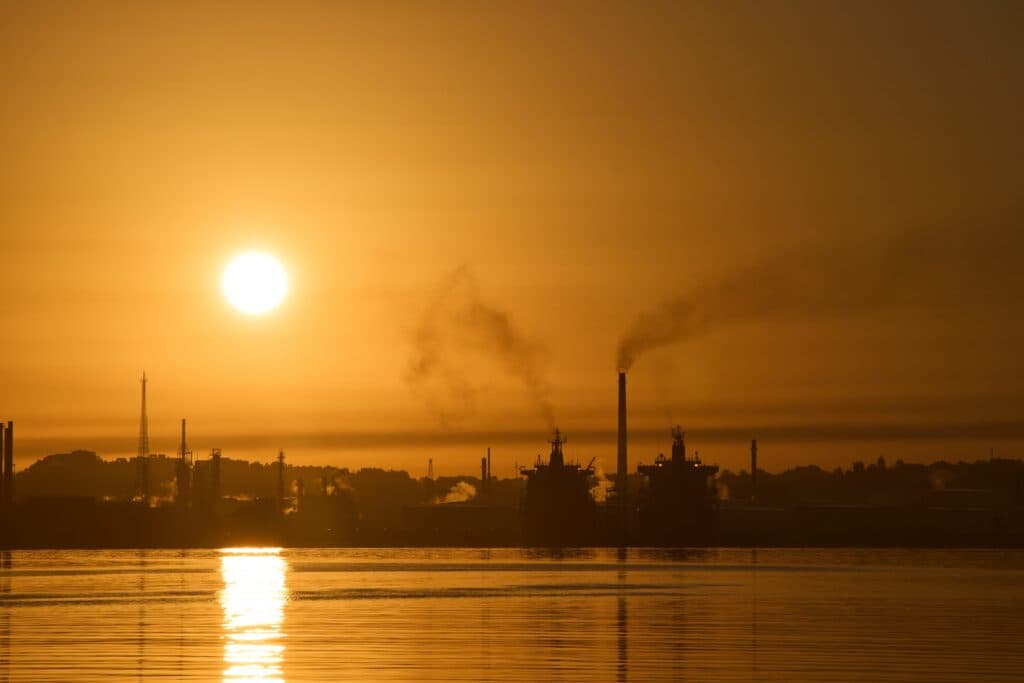
Smoke rises from smoke stakes at an oil refinery in Havana Bay, Cuba, Thursday, Feb. 12, 2026. Ramon Espinosa/AP
So, are all the pieces in place to allow a meaningful amount of oil to flow into Cuba through private companies?
Not yet. They’ve now authorized Cuban domestic private businesses to also import for their own use. But they’re still not authorized to warehouse it or to sell it through state-owned pumps. So, those roadblocks still need to be removed. And then, the other big bottleneck is that there are no banking rails between the United States and Cuba that allow those private-sector importers to remit direct payments to their suppliers abroad. They’re doing it through informal channels, the same way that they’ve been paying for food imports. Most food imports in Cuba today are in the hands of the private sector. Because of the perceived political and compliance risks, we’ve yet to see any US Banks move into the onboard sector.
Do you have a sense of whether these roadblocks that you’ve mentioned are likely to be removed or overcome? Is this fix likely to bring any meaningful amount of oil into Cuba?
I do believe that anything that allows for these early moves to put this market in the hands of private sector actors, anything that allows that sector to scale up their operations so that you’re basically building a new economy from the ground up in Cuba; it would help advance the policy of this administration and help a lot of people on the ground. So, I think they’re looking at all that. If and when it gets rolled out, it’s hard to say. But I think they’re trying to figure it out.
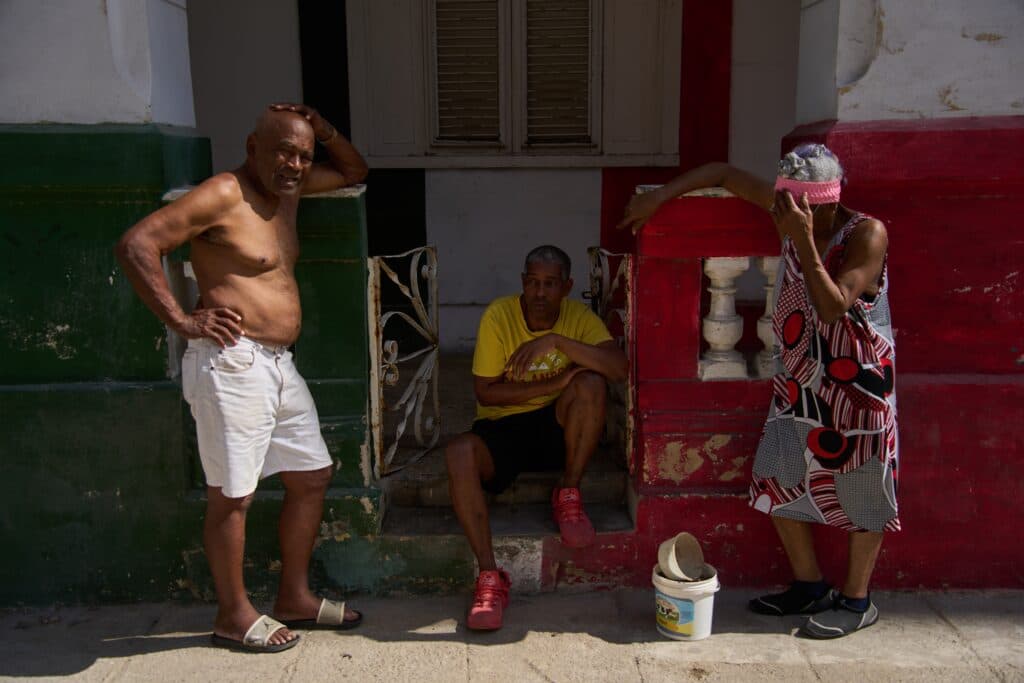
People lounge on a porch during a blackout in Havana, Wednesday, March 4, 2026. Ramon Espinosa/AP
Washington’s efforts to reach out to Cuba’s private sector could backfire and empower its leaders. Secretary of State Marco Rubio says he is guarding against that. Does the private sector in Cuba have enough clout to actually operate independently of the government?
They do, they do. The thing is, the private sector is a big and growing sector in the economy. There are some individuals, sons and daughters of the nomenclature or other folks with direct ties to the regime, who are also operating businesses in the private sector. I struggle to see at this moment that this administration would remove all authorizations that would just cut off the sector as a whole. From their ability to import all sorts of necessary goods into the island, I could certainly see them targeting particular individuals who may be operating in the sector but are otherwise under sanctions programs and are otherwise prohibited under current US law and regulation from engaging in any transactions with the United States. I imagine they’ll be looking out for that.
I want to switch over now to what Havana is doing. Cuba’s president called this week for an urgent transformation of the country’s economic model. Can you tell me about that?
Yeah, calling for greater autonomy of the private sector, for all sorts of measures to unlock productivity in the economy, to bring in foreign investment. All of these statements that were made by [Cuban President Miguel] Diaz-Canel are not new. They’re stating them with greater frequency and dialing up the volume to 11. But as in the past, we have yet to see real follow-through or implementation of these reforms.
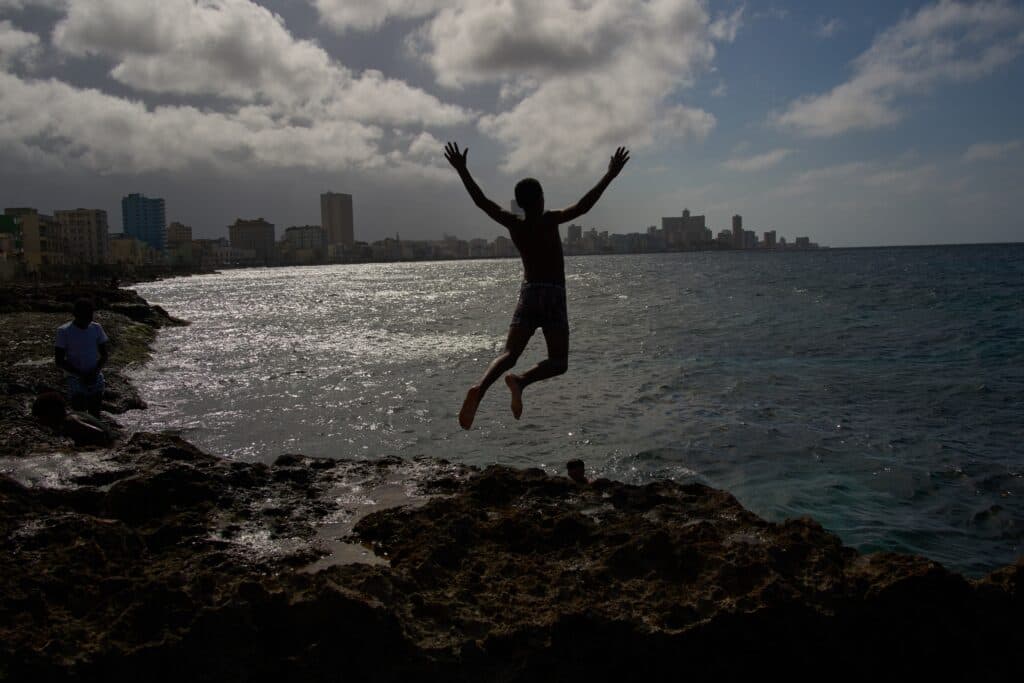
A youth jumps into the sea during a blackout in Havana, Wednesday, March 4, 2026. Ramon Espinosa/AP
And you sound skeptical that real change will happen here.
I think the fundamental challenge that Cuba’s political leaders face today is credibility. We’ve lived through decades now of reforms that are announced and then rolled out only to then be backtracked or stalled because the leadership perceives that it threatens their control. They would have to offer some assurances to make people believe that this time will be different and that they really do have the political will and administrative capacity to see these reforms through.
We’re talking about this all within the context of the blockade of Venezuelan oil getting to Cuba. I’m wondering if Cuban leaders are taking lessons from what just happened in Venezuela, where the US has taken over the management and sale of Venezuela’s oil industry. Are they looking at their neighbor and thinking maybe it is actually time to enact some changes?
I would imagine they’re looking at what’s happening in Venezuela and Iran, and that there is growing, intensifying internal pressure to enact significant changes. The challenge is, can they reach a political consensus within and align all the differences within that state, party and military apparatus, in order to effectuate those changes? That’s what they have shown in the past that they are not capable of doing; and given that it’s the exact same people running the show — that have been running the show now for, in some cases, decades, and have very little to show for it in terms of concrete results — it’s hard to see the same people that dug this hole — as deep as it is — to be able to dig themselves out.
Parts of this interview have been lightly edited for length and clarity.