Public radio’s longest-running daily global news program.
©2026 The World from PRX
PRX is a 501(c)(3) organization recognized by the IRS: #263347402.

The rise of far-right parties in Europe is intensifying concerns about the future of EU climate policy. Italy’s populist Prime Minister Giorgia Meloni is a vocal critic of the EU’s green agenda, and environmentalists fear her influence could stymie progress. But the threat to Europe’s climate ambitions isn’t coming solely from the far-right.
In this file photo, climate activists wearing masks depicting world leaders stage a protest inside a fountain in front of the medieval Sforza Castle, in Milan, Italy, Oct. 22, 2021.
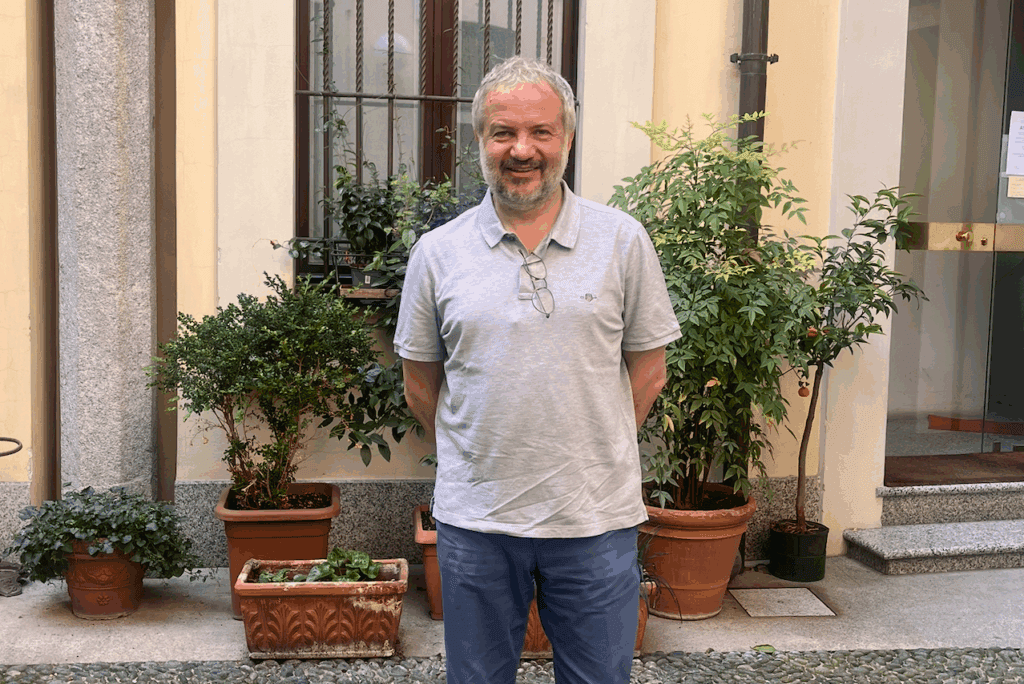
Italian far-right lawmaker Claudio Borghi doesn’t deny that climate change is happening. “I live in Como, and in front of my home is a beautiful lake that 80,000 years ago was a glacier, so the climate, indeed, it changes,” he said.
But Borghi, who’s a member of the far-right League party, isn’t certain what’s causing the change. “Whether it’s man that makes this change, well, that’s another subject.”
Pointing to the extinction of dinosaurs as an example of natural climate shifts, he concluded, “probably the reason is the sun.” Borghi’s League party governs in coalition with populist Prime Minister Giorgia Meloni’s Brothers of Italy and the center-right Forza Italia. The alliance disagrees on many issues, Borghi said, but climate policy is one area where they align — and he believes Meloni is “on the right track.”
Meloni frames her approach to Europe’s climate agenda as pragmatic. Speaking at the COP29 United Nations climate summit last November, she said nature must be protected but with man at its core.
“An approach that is too ideological and not pragmatic on this matter risks taking us off the road to success.”
In May, she warned that the EU’s green policies risked undermining Europe’s industrial base.
The rise of far-right parties in Europe is intensifying concerns about the future of EU climate policy. But the threat to Europe’s climate ambitions isn’t coming solely from the far-right.
For activists like Paola Del Dosso, the retreat among some EU lawmakers from the bloc’s climate goals is setting off alarm bells. Del Dosso, who lives in Sondrio in the heart of the Alps, is a member of the Italian climate activist group Ultima Generazione, or Last Generation.
She said that a few years ago, a coordinated global effort to tackle climate change seemed possible. “Now, with politicians like Meloni and [US President] Donald Trump, we see climate goals being compromised or dropped altogether.”
Del Dosso has been barred from entering the city of Milan for a year. In March, she joined a group of activists staging a demonstration at Cracco, one of Milan’s most famous restaurants.
Police questioned the protesters, and an official complaint was issued against Del Dosso, prohibiting her from returning to the city. Her experience reflects a growing trend across Europe of harsher crackdowns on climate protests.
In Italy, a new security law, approved in June, grants police expanded powers and introduces tougher penalties for disruptive demonstrators. Similar moves are underway in France, Germany and the United Kingdom, where courts have increasingly imposed severe sentences on climate change supporters.
The pushback also extends to Brussels, the European Union’s headquarters. Last month, the far-right Patriots for Europe alliance — which includes France’s Marine Le Pen’s National Rally, Hungary’s Viktor Orbán’s Fidesz and Italy’s Matteo Salvini’s League — took control of negotiations over the EU’s next emissions-reduction target. The group stated that it wants to scrap the European Green Deal, the legislative framework aimed at achieving climate neutrality by 2050.
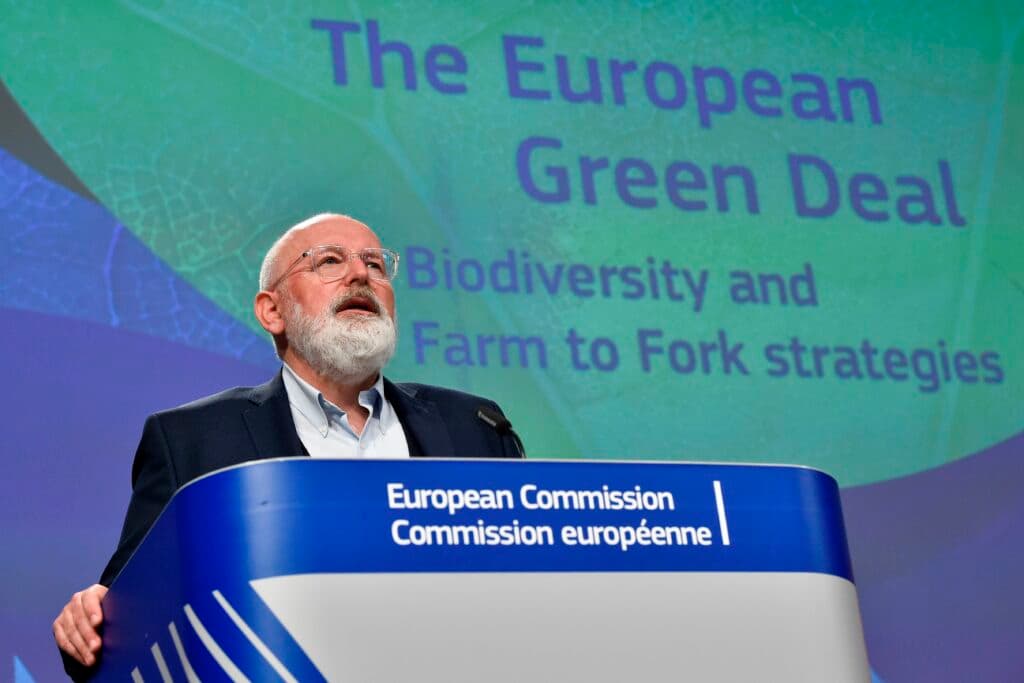
But the threat to Europe’s climate agenda, analysts say, extends well beyond the far right. Valerio Alfonso Bruno, a fellow at the Far-Right Analysis Network and adjunct professor at Università Cattolica del Sacro Cuore, says centrist politicians are increasingly adopting positions once seen as extreme.
“Some proposals that were considered radical a few years ago are now very easily adopted by the center right,” Bruno said. The changing attitude of the US administration to climate policies could also embolden some EU lawmakers to water down their own commitments.
“They will think, if they do that in the US, why should we follow all the very binding rules in Europe? Let’s be more pragmatic,” he said.
Davide Panzeri, head of Italy-EU policy at the climate change think tank ECCO, said members of both far-right and centrist parties have described the Green Deal as too ideological or too costly, a framing he called misleading.
“It’s quite clear we need to move fast to act against climate change, because climate damage is increasing,” Panzeri said. Meloni’s stance, he added, has been aided by Italian media that rarely link extreme weather events to climate change.
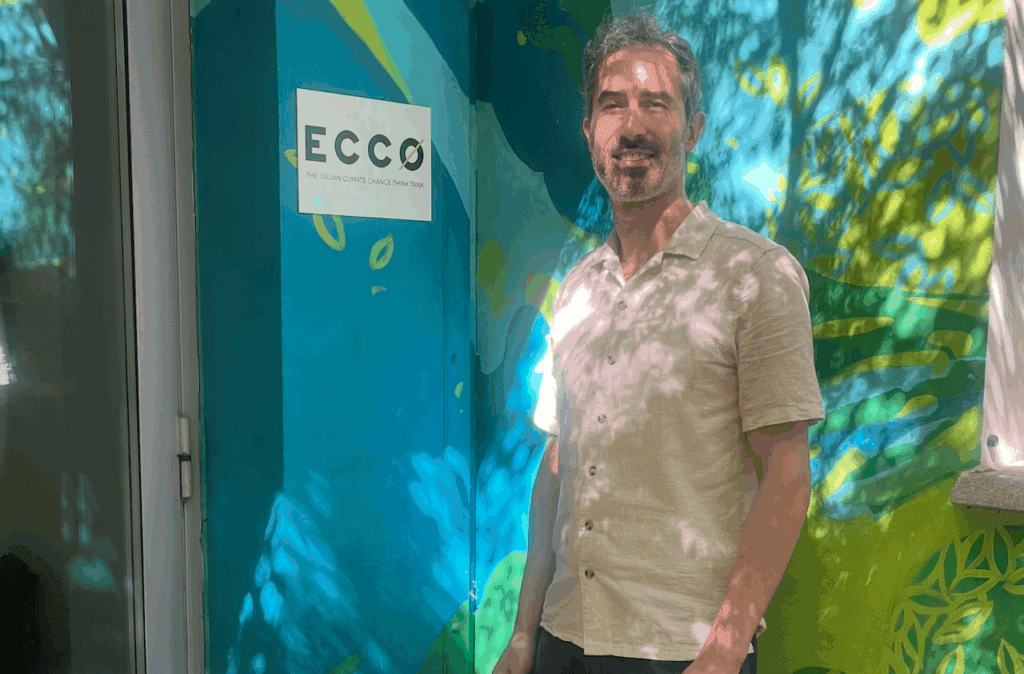
“We had floods in Emilia-Romagna in the last year, which cost a lot in terms of loss of life and economic damage, but the coverage in the media made very little connection between those disasters and climate change,” he said, explaining that they talked about it like it was some sort of act of God.
Far-right lawmaker Claudio Borghi calls Europe’s Green Deal to reach zero emissions by 2050 “one of the biggest mistakes in history.” Europe cannot hope to compete with China or the US if it is expected to adhere to this goal, he said.
Climate activist Paola Del Dosso is accustomed to this sort of rhetoric. “Most Italians are not on the side of climate activists”, she said “I think that the worst thing is the indifference. Most people are just not really interested in the subject.”
Even members of Del Dosso’s own family question whether climate change is real. Some days, she said, it feels like they’re going backwards, and she wonders why she keeps fighting.
“Sometimes I feel like giving up and just focusing on my own little life,” Del Dosso said. “But then I hear scientists say there’s still time to turn things around, and I think, let’s not waste the opportunities we still have left.”
Ilaria Sesana contributed to reporting.
