Public radio’s longest-running daily global news program.
©2026 The World from PRX
PRX is a 501(c)(3) organization recognized by the IRS: #263347402.

India’s annual monsoon season has become more and more unpredictable and destructive. Now, cities across the country are making efforts to address the problem to suit each terrain.
School children in Kerala are part of a volunteer network that helps monitor rainfall and river flows in the Meenachil river basin in India.
Ravi Dutt watched in shock as water surged into his tailoring shop near the Yamuna River in India two years ago. “The water was up to my neck,” he recounted.
That year, New Delhi saw its heaviest rainfall in over four decades. The Yamuna reached an all-time high, turning busy roads into rivers and upending livelihoods like Dutt’s.
Every year, between June and September, India depends on the monsoon to quench its fields and replenish reservoirs. But as climate change accelerates, the rainy season is becoming increasingly unpredictable and destructive, bringing not just floods to cities but deadly landslides to mountain regions.

Extreme rain events are becoming more common, according to Roxy Matthew Koll, a climate scientist at the Indian Institute of Tropical Meteorology.
“Instead of moderate rains spread through the season, we are having long dry spells and then suddenly short spells of heavy rains,” Koll explained.
Koll’s research shows extreme rainfall events have tripled across India over the last 70 years. Warmer air holds more moisture, and warming oceans increase evaporation, resulting in torrents of rain dumped in short bursts that cities and hillsides alike struggle to withstand.

In urban centers, the deluge has nowhere to go. Green spaces and floodplains that once absorbed rainfall are vanishing under concrete. Cities like Delhi have outgrown their drainage systems.
“Those drainages were built considering rainfall events of the past and now the rainfall has changed,” said Nitin Bassi of the Council on Energy, Environment and Water. Blocked by plastic waste and silt, clogged drains lead to frequent waterlogging.
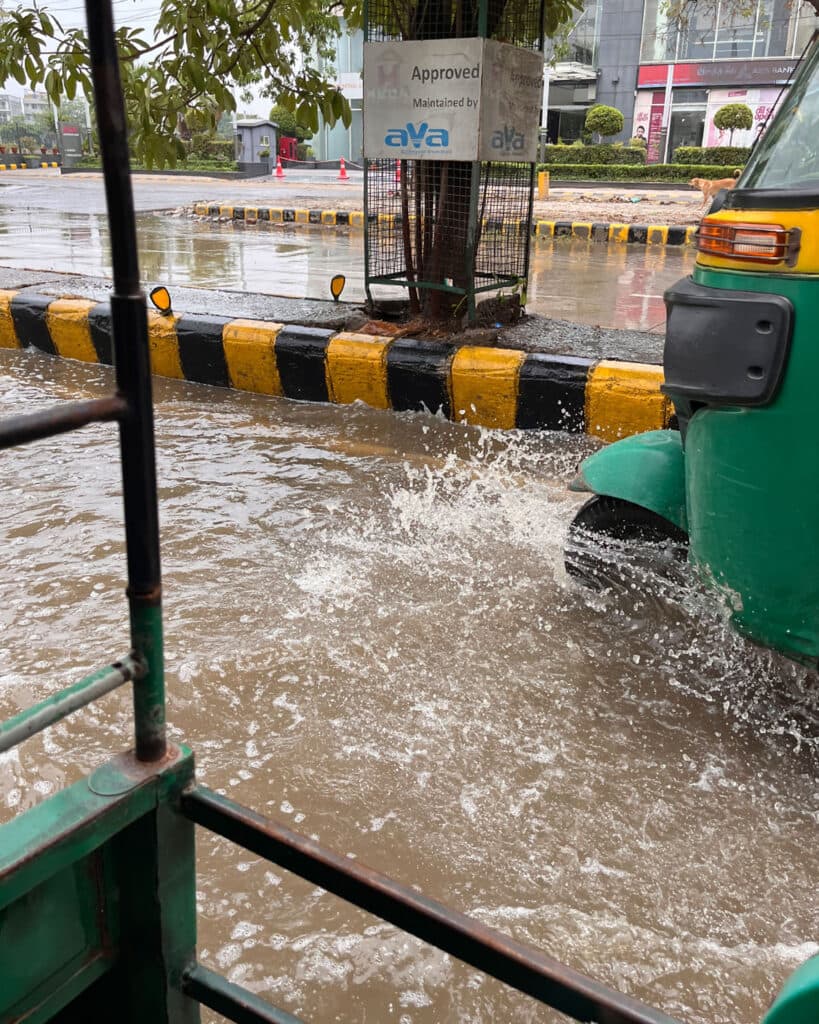
Cities across the country are making efforts to address the problem, taking into account their unique terrains. The southern Indian city of Chennai, which lost over 250 people to floods in 2015, is now restoring its marshlands. Delhi is adding permeable pavements to allow water to seep into the ground.
Meanwhile, landslides triggered by heavy rain are compounding the damage in India’s hilly regions.
Last year, a landslide in Wayanad, in the southern Indian state of Kerala, killed more than 200 people. Rocks, debris and muddy water gushed 5 miles down the mountain slope, tearing through homes and tea plantations.
It happened in the middle of the night, said CK Vishnudas, a conservation ecologist at the Hume Centre for Ecology and Wildlife Biology in Wayanad, which has been studying landslides in the district.
“We did a mapping of each and every point where we had observed these landslides,” Vishnudas said. The researchers classified areas into low, medium or high landslide probability and looked at the main triggering factor of a landslide: rainfall.
“Our center has a wide network of rain monitors through a community-based weather monitoring system that we started in 2018,” Vishnudas added. “We installed weather stations like rain gauges in all these areas and started training local people for measuring data.”
After conducting extensive analysis, they developed a detailed landslide susceptibility map for the district. It helps them issue landslide alerts at a hyperlocal level. Such data is critical in a country as vast and varied as India, where national weather alerts can miss small, vulnerable pockets.
In Kerala’s Meenachil river basin, another citizen-led network is filling this gap. Led by Eby Emmanuel, local farmers, homemakers and schoolchildren monitor rainfall using backyard rain gauges and markers painted on bridges. In 2020, the group’s real-time alerts helped evacuate 100 families — despite no official warnings.
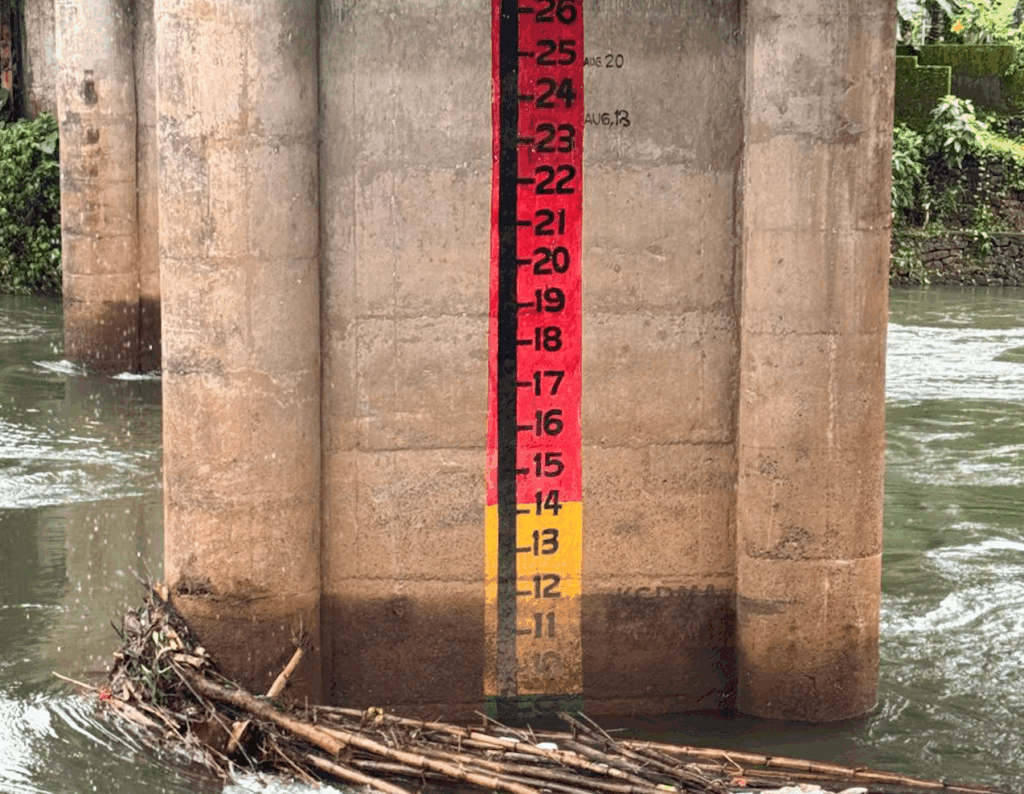
“Our involvement is a must,” Emmanuel said. “We have to keep ourselves safe with our own vigilance.”
While local efforts are saving lives, experts say India still lacks a nationwide system to track and respond to landslide risks. Landslides “are vastly underestimated,” said Nirdesh Sharma, a researcher at the Indian Institute of Technology Delhi. Minor landslides often go unnoticed, he said, but can give important clues about an impending disaster.
Motivated by personal experience in his home state of Himachal Pradesh, which is prone to landslides, Sharma helped develop India’s first high-resolution landslide susceptibility map.
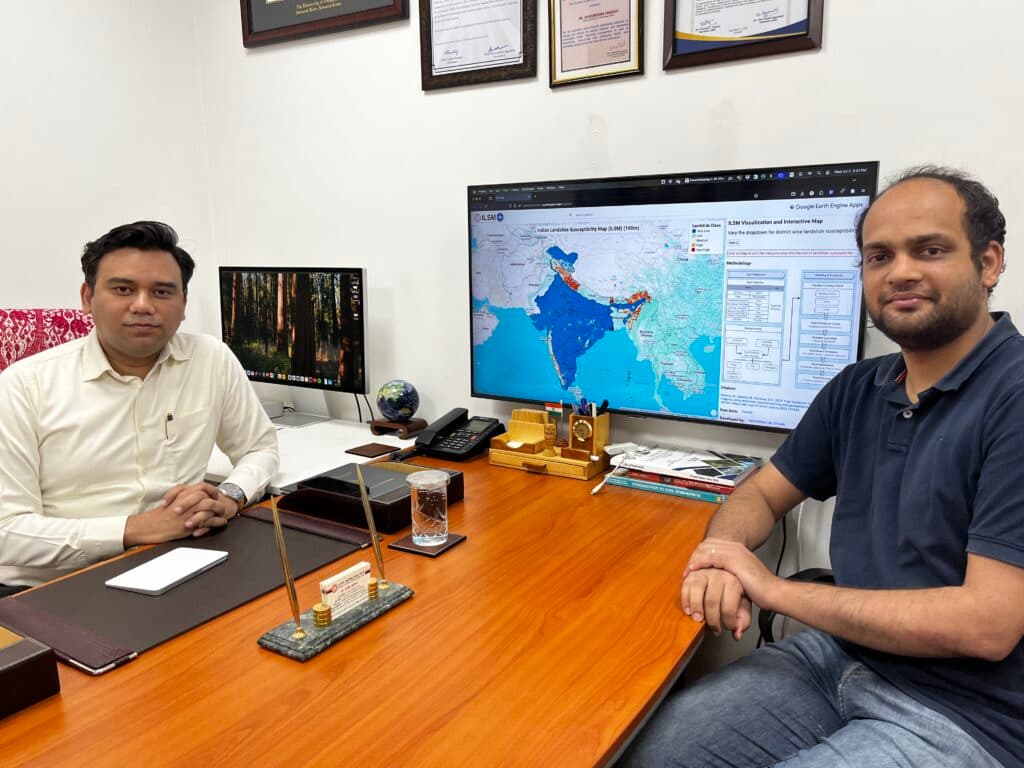
Using machine learning, the team analyzed a wealth of data — including elevation, soil type, road proximity and past landslides — to identify high-risk zones across the country, down to 100-meter squares.
Climate change is altering rainfall patterns and could create new landslide hotspots, Sharma said.
“The rainfall is supposed to become more intense and [of shorter] duration, which will impact some areas that have never seen landslides historically,” he explained.
His colleague, Manabendra Saharia, said the map can be used to guide infrastructure decisions. “An unfortunate incident happened two years back when an entire railway station was washed out by a landslide,” he said. “Those kinds of incidents can be prevented.”
India plans to implement a national landslide early warning system by 2030. Until then, smaller, more localized efforts are underway in several parts of the country.
In Wayanad, Vishnudas said coordination between his team and district officials has improved. Three evacuations have already been conducted this season, he added. And last year’s catastrophic landslide has served as a wake-up call for this growing threat and the need to be prepared.