Public radio’s longest-running daily global news program.
©2026 The World from PRX
PRX is a 501(c)(3) organization recognized by the IRS: #263347402.
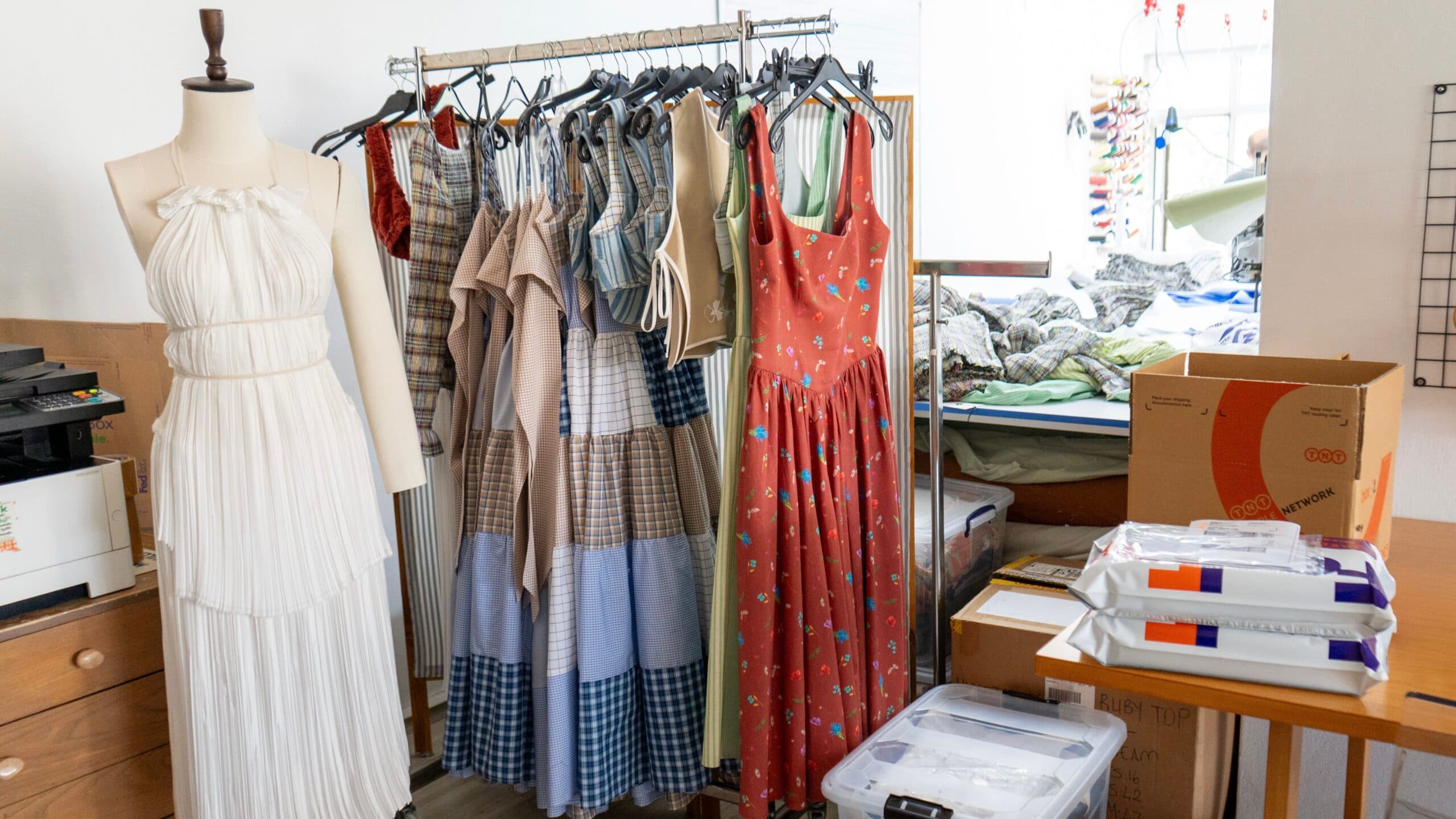
The textile industry generates an estimated 92 million tons of waste every year — equivalent to a garbage truck full of clothing every second. But in the backstreets of Istanbul’s garment districts, “deadstock” wholesalers give surplus fabric a second life. The World’s Durrie Bouscaren meets the creators of OhSevenDays.
Inspired by Istanbul’s “deadstock” shops, OhSevenDays uses small batches of fabric to create womenswear designs.
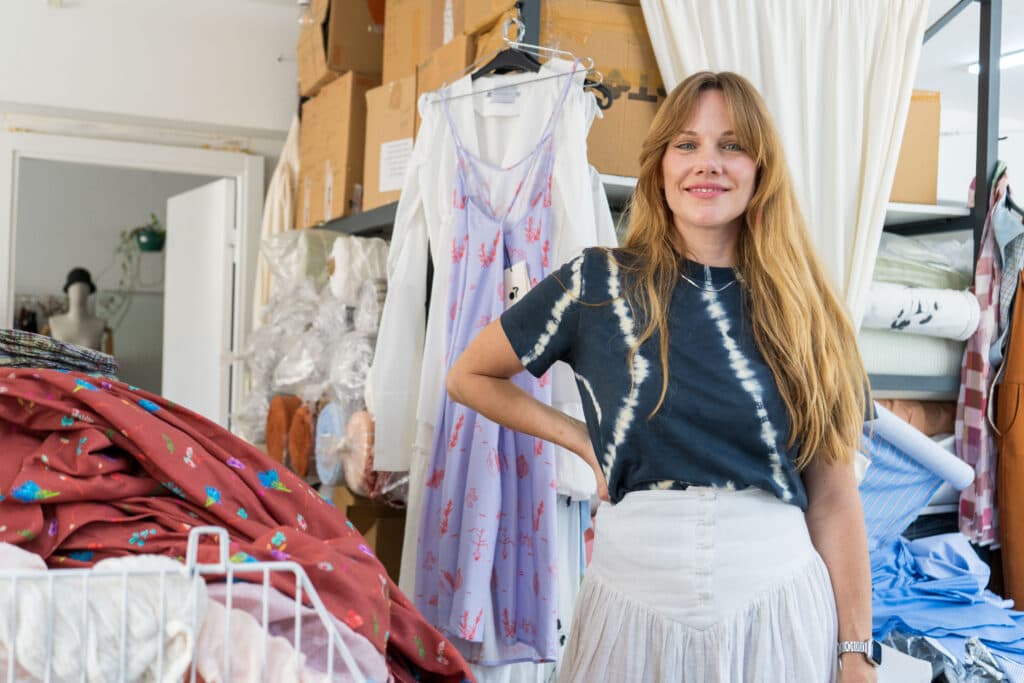
In the backstreets of Istanbul’s garment districts, there are stores selling bolts and bolts of leftover fabric, from soft, cozy flannels to gemstone-hued chiffons and bright, natural linens.
These 100-meter rolls of fabric, known as “deadstock,” are the discards of Turkey’s largest clothing manufacturers. And to a growing cohort of designers, they hold the key to reducing waste in the fashion industry.
“There are big manufacturers in Turkey that do production runs of 30,000 to 50,000 unit pieces. So, the precision in that production is something else,” said Australian Canadian designer Megan Mummery.
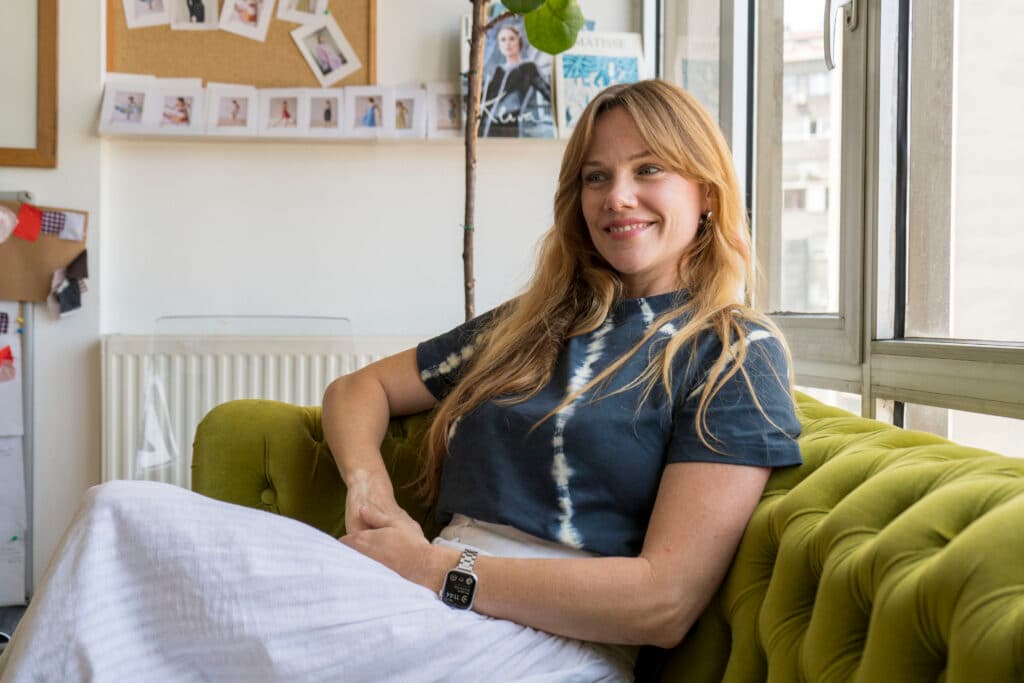
At that scale, fabric rolls with small tears, stains or other imperfections are immediately removed from the machines. And if a brand miscalculates and orders too many rolls of a specific fabric, it will end up with a surplus.
In most cases, deadstock fabric rolls are incinerated or dropped off at a landfill. Every year, the global clothing industry produces about 92 million tons of textile waste. That’s about the equivalent of a garbage truck full of clothing, every second.
“It’s minuscule for them — one roll is 100 meters,” Mummery told The World. “But for us, it’s gold.”
Inspired by Istanbul’s deadstock shops, which she explored after moving to the city with her husband in 2015, Mummery began using smaller batches of fabric to create womenswear designs. She named her brand OhSevenDays — a reference to her earliest collections of only seven pieces at a time, and a play on the Turkish word “seven,” for “one who loves.”
“It was really slow at the beginning,” Mummery said, recalling when she and her team weathered the dips of the COVID-19 pandemic. “And I remember, an influencer once wore a top and posted it, and we got like 20 orders in a day, and it was the most exciting thing ever!”
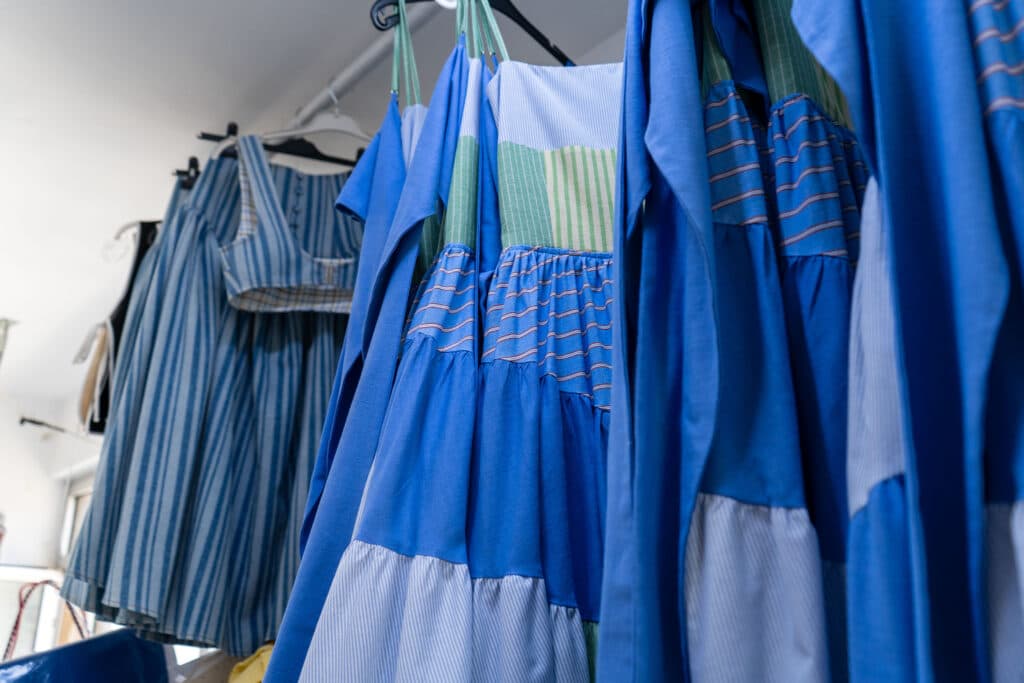
Today, Mummery’s designs are a tasteful blend of classic neutrals and airy patterns. Signature bralette tops are paired with matching high-waisted skirts and summery cotton shorts, perfectly at home in the historic Istanbul apartments and garden balconies often featured in her photo shoots. A line of maternity clothes offers options for both the office and casual wear.
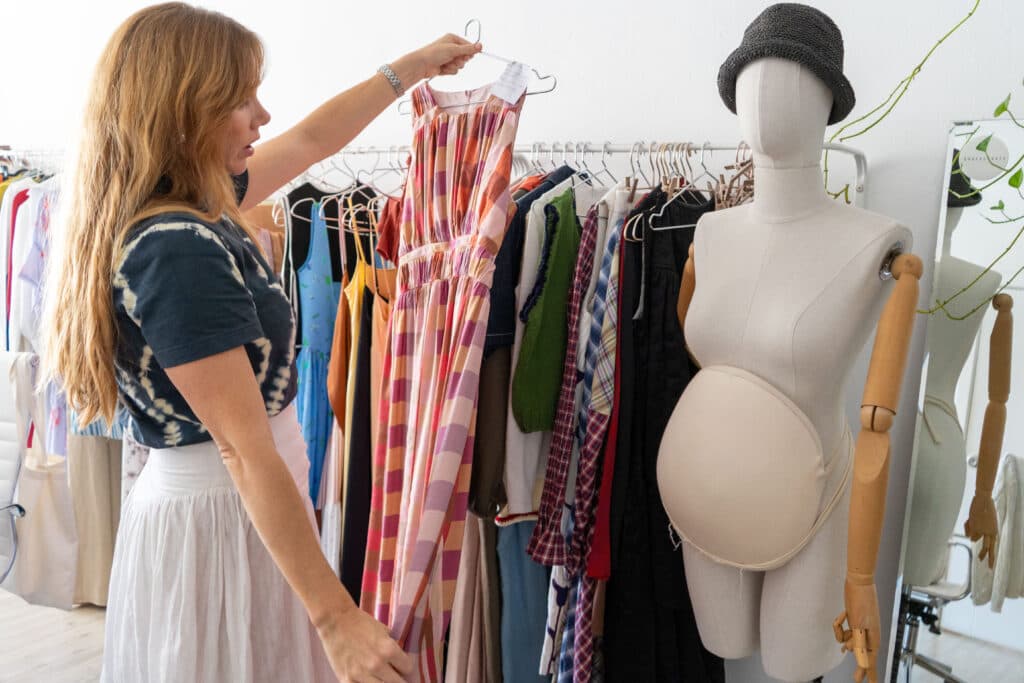
As with many small-scale sustainable brands, OhSevenDays’ price point is higher than that of major retailers. A popular blue patchwork Darcy dress is priced at $240, and a dark denim jumpsuit sells for $150. A breathable, white cotton maternity blouse is $124.
The cost factor is a challenge in using deadstock fabric. Supplies of a specific color and texture are limited by definition, which keeps production small. This can be a barrier for startup fashion brands hoping to expand.
“When it’s finished, it’s finished,” said Sibel Ege, an Istanbul-based fashion industry expert who runs a textile consultancy called REN Sourcing.
Turkey is among the world’s largest exporters of clothing, and a significant amount of deadstock fabric is available in the country, according to Ege. But, few brands are incorporating it into their practices, and even fewer customers are aware of what it is.
“After COVID, the customers became more aware of the importance of (sustainability), and started to pressure the brands,” Ege said. “But if the customer doesn’t know what it means, it doesn’t make a value at the sales.”
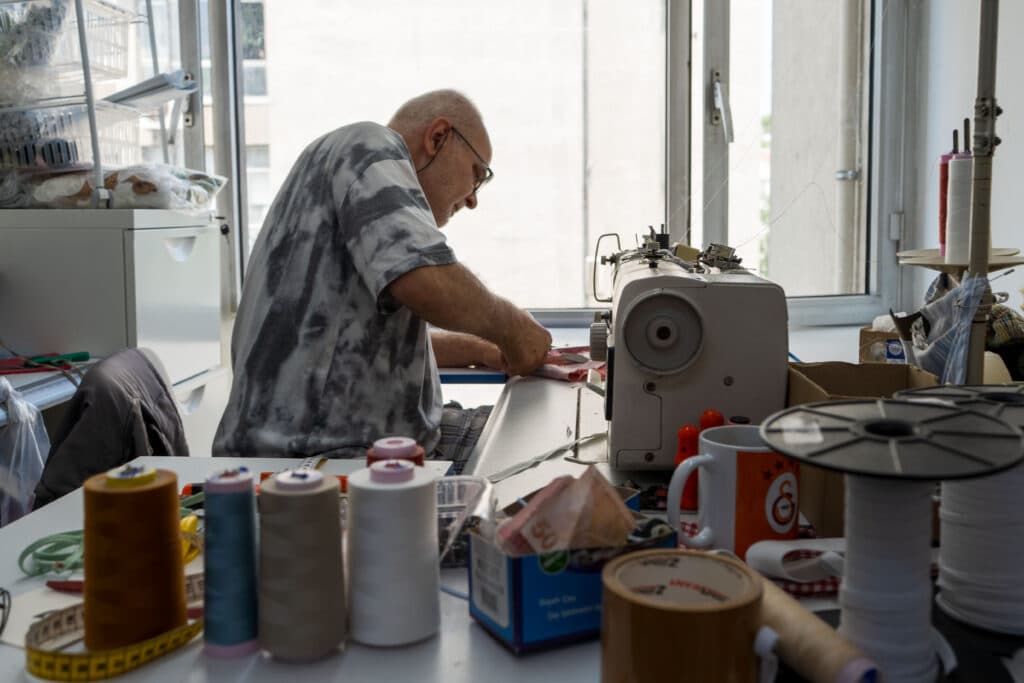
Mummery and her team work together out of a shared studio that is no larger than 700 square feet. A line of dresses hangs above the machines, while tailors measure, steam and cut fabric — making the pieces from start to finish.
That makes the work harder, but more interesting, said tailor Türker Pehlivan.
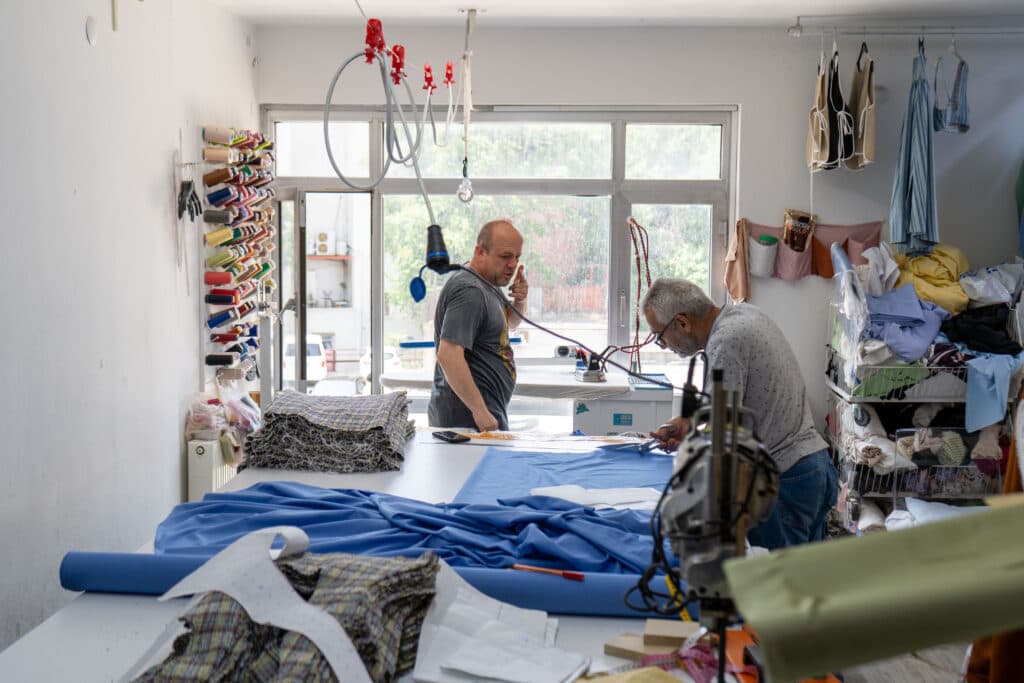
“It’s challenging,” Pehlivan said. “But in the end, something beautiful comes out — and we’re happy because we made something beautiful.”
However, Mummery has found ways to use the small size of OhSevenDays to her advantage. Custom sizing can be done according to a shopper’s measurements at no extra charge, if fabric is available — the website notes. Each shipment includes a handwritten “thank you” note.
Deadstock-sourced pieces are also popular among clothing subscription services, where subscribers receive a selection of clothes every month that can be kept or returned. This reduces the risk of disappointing customers if a popular item runs out quickly.
When the design team runs out of a particular fabric, it’s sometimes Mummery herself who heads out to the deadstock stores to find a near-match.
“We say, you know, there might be a little color discrepancy between the products — and most of the boutiques love that actually,” Mummery said. “Because when there’s a dress on the railing and two slightly different colors, they have a story to tell, even in the store.”
She believes strongly that if you know how your clothes are made, you will think more critically about the ones you buy.
