Northern Ireland’s Troubles a part of Belfast’s landscape (PHOTOS)
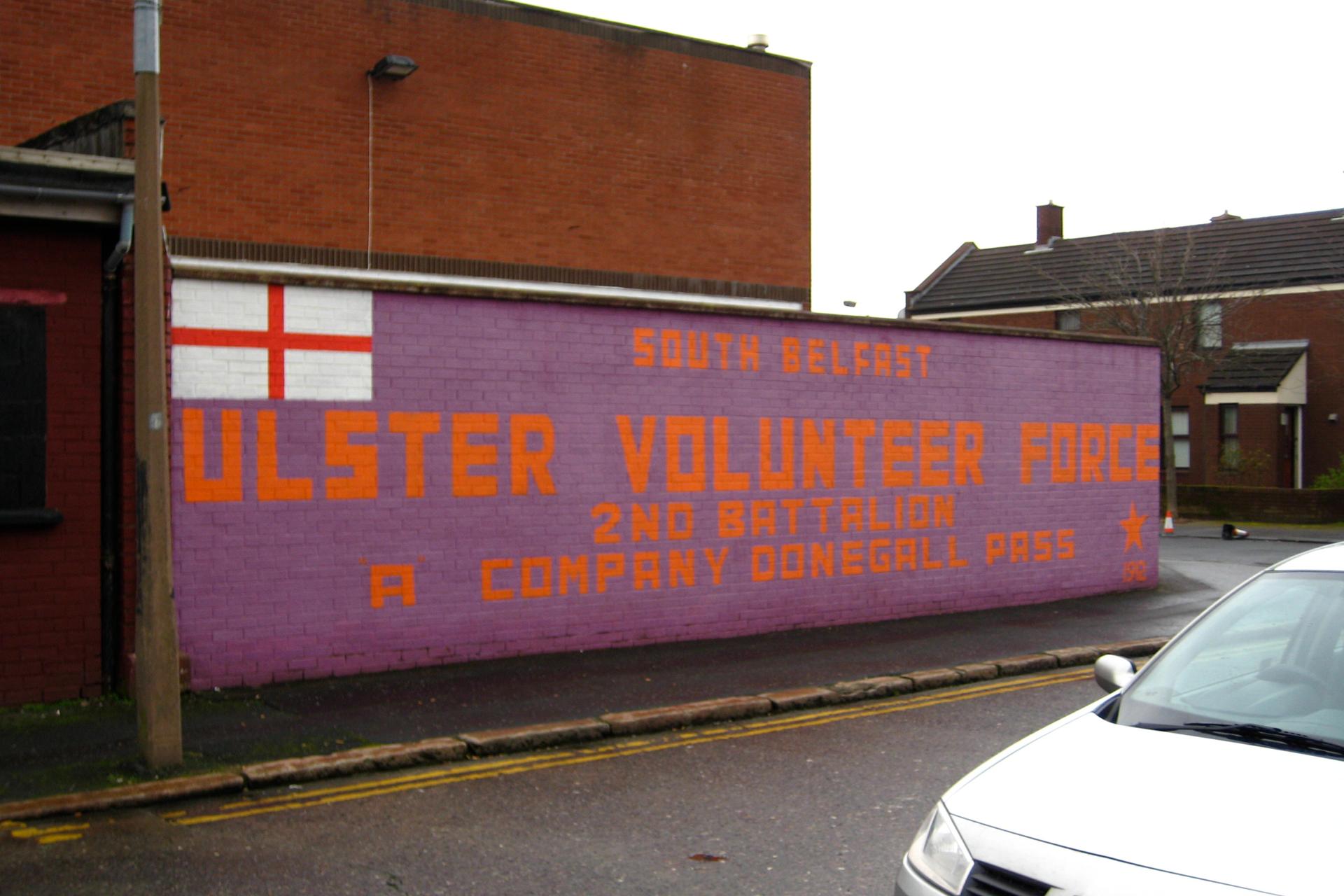
Two nights in a row of riots in Belfast, Northern Ireland — the most intense such violence in several years — are largely being blamed by authorities on members of the Ulster Volunteer Force (UVF), the Guardian and other news outlets report. In 1994 the UVF and other Protestant paramilitary groups, including the Ulster Defense Association (UDA), agreed to a cease-fire declared by the IRA. However, according to the Encyclopedia Britannica, “disagreement within the UVF over the cease-fire led to a split in the organization and the formation of the Loyalist Volunteer Force, which began its own campaign of violence. In May 2007 the UVF renounced violence and pledged to end its armed campaign.” (Kristian Hildonen)
During two nights of sectarian rioting in Belfast, Northern Ireland, hundreds of masked youths hurled bricks, bottles and gasoline bombs. Three people were left with gunshot wounds.
Catholic and Protestants rioters threw rocks, fireworks and petrol bombs, and a press photographer was shot in the leg.
Northern Ireland police believe the loyalist paramilitary group the Ulster Volunteer Force instigated the violence.
GlobalPost's Conor O'Clery writes that the sudden eruption of street riots in Belfast has shocked those who thought Northern Ireland had entered a new era of peace and reconciliation.
Kristian Hildonen took these photos of murals in Northern Ireland during a visit in March.
The AP filed this video report on the latest violence.
The story you just read is available for free because thousands of listeners and readers like you generously support our nonprofit newsroom. Every day, reporters and producers at The World are hard at work bringing you human-centered news from across the globe. But we can’t do it without you: We need your support to ensure we can continue this work for another year.
Make a gift today, and you’ll get us one step closer to our goal of raising $25,000 by June 14. We need your help now more than ever!