Women in combat ban lifted by Panetta
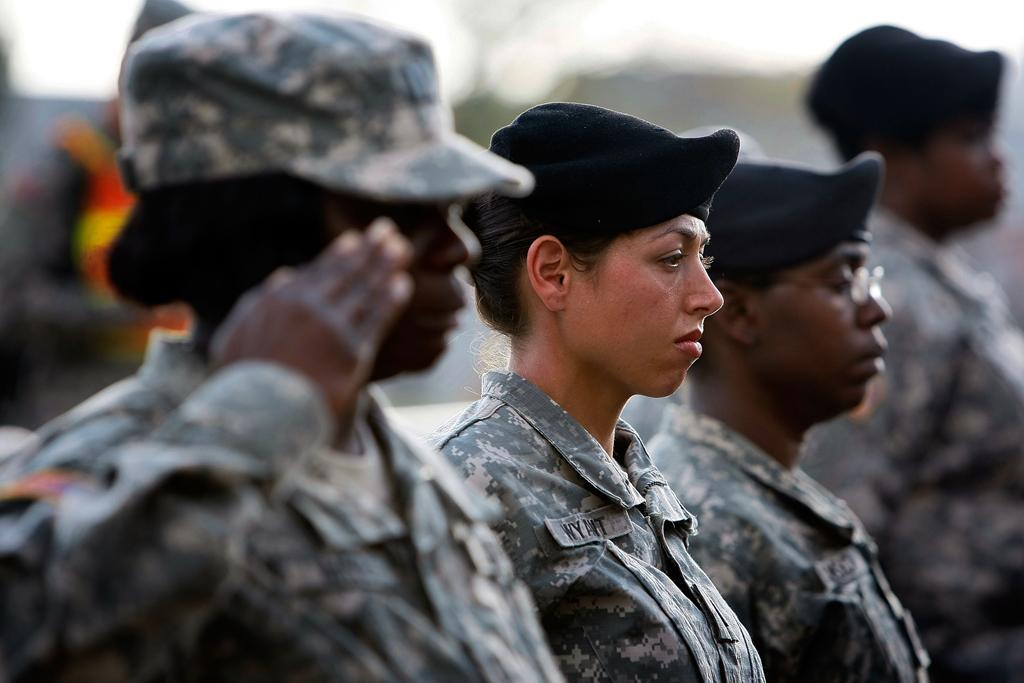
The Pentagon is set to loosen restrictions on women in the military, opening up 14,000 new and potentially more dangerous jobs to female soldiers.
Defense Secretary Leon Panetta is lifting the military ban on women in combat, opening hundreds of thousands of front line positions to female soldiers, The Associated Press reported.
Multiple sources told CNN that Panetta will make the announcement tomorrow.
More from GlobalPost: Pentagon to change rules for women in combat, easing restrictions
The move would overturn a 1994 rule banning women from being assigned to smaller ground combat units, according to the AP.
It will give the military until January 2016 to seek any exceptions to the rule.
Four servicewomen along with the American Civil Liberties Union sued the Pentagon in November over the combat ban, calling it unconstitutional, National Public Radio reported.
More from GlobalPost: ACLU, women soldiers sue Defense Department over combat roles
In February 2012, Panetta relaxed the rules on women serving with combat units, The Hill reported.
Though women were still banned from serving directly on the frontlines, they were now permitted to serve in non-infantry battalion jobs, in positions such as radio operators, intelligence analysts, medics, radar operators and tank mechanics.
They were also permitted to work in closer proximity to combat on the ground.
Women currently comprise 14 percent of the 1.4 million active US military personnel, according to the AP.
The story you just read is available for free because thousands of listeners and readers like you generously support our nonprofit newsroom. Every day, reporters and producers at The World are hard at work bringing you human-centered news from across the globe. But we can’t do it without you: We need your support to ensure we can continue this work for another year.
Make a gift today, and you’ll get us one step closer to our goal of raising $25,000 by June 14. We need your help now more than ever!