North Korea nuclear test: no radiation detected
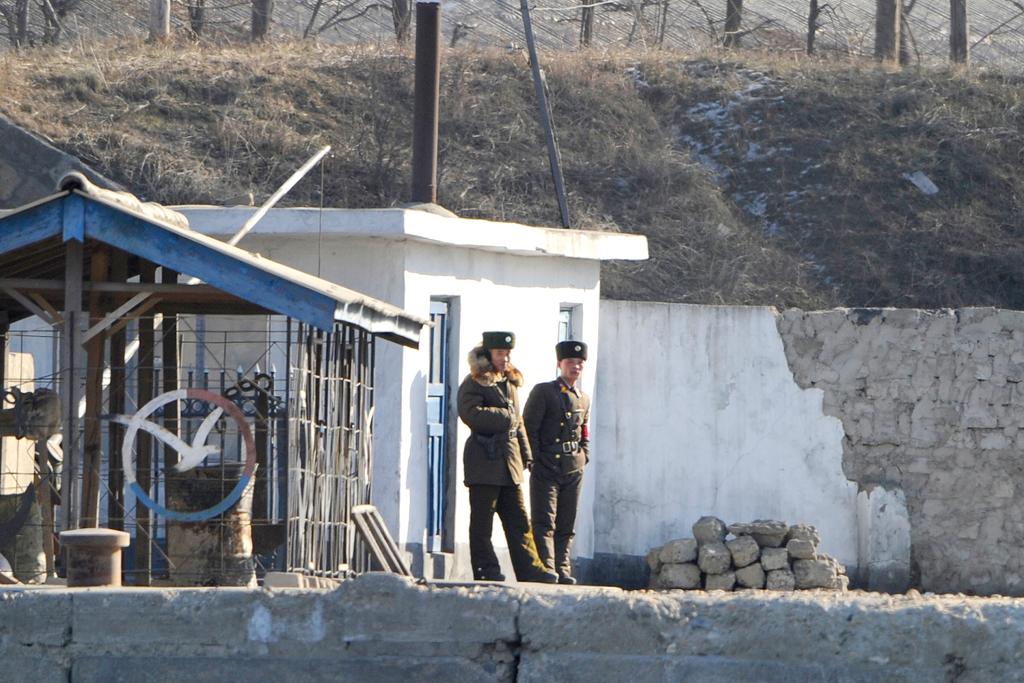
North Korean soldiers stand guard along the bank of the Yalu River in the North Korean town of Sinuiji, on Dec. 22, 2011.
South Korean experts and Chinese officials have claimed that they did not detect any radioactive isotopes from North Korea's nuclear test.
According to the BBC, in South Korea eight samples were analyzed, but nothing was found, hampering their ability to gauge the device's success. Certain isotopes, for example xenon gases, would have helped experts determine whether the North used plutonium or uranium.
In China, more than 150 radiation monitoring stations began conducting real-time environmental monitoring soon after the test. However, according to Reuters, the Chinese Environment Ministry said that they had not found any abnormalities.
North Korea announced on Tuesday that it had carried out an underground nuclear test, drawing strong international condemnation, including criticism from its only major ally, China.
The UN Security council called the explosion a "clear threat to international peace and security," and has promised action.
Every day, reporters and producers at The World are hard at work bringing you human-centered news from across the globe. But we can’t do it without you. We need your support to ensure we can continue this work for another year.
Make a gift today, and you’ll help us unlock a matching gift of $67,000!