East Timor: The Final Hour
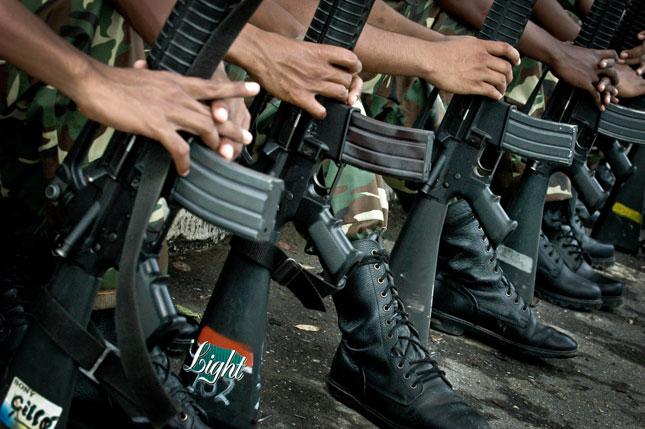
This photograph is part of a photo essay called “East Timor Turns Ten” on Warscapes.com.
Indonesia unilaterally claimed the integration of East Timor in 1975 as its 27th province. During the 24 years of Soeharto’s presidency, Indonesia made every effort to get the international community to recognize this “integration,” while the United Nations otherwise classified East Timor a non-self governing territory (or non-decolonized).
The political climate in Indonesia changed drastically when President Soeharto stepped down on May 21st, 1998, one year prior to the end of his term, and was replaced by Vice President BJ Habibie. No one expected President Habibie to celebrate the New Year in 1999 by releasing East Timor from the Republic of Indonesia pending the results of a referendum offering East Timorese two options: either “special autonomy” within the Republic of Indonesia or independence. The referendum was held on August 30th, 1999. The results were announced on September 4th. East Timor chose independence.
The publication of the book from which the following excerpt is taken not only resulted in the loss of my 20-year tenure as war correspondent for Kompas Daily, the highest circulation national newspaper in Indonesia, but also in my ongoing exile in the US due to threats to my life. The book created controversy because of its explicitly unbiased coverage of the atrocities committed in East Timor between July and November 1999 in which I name East Timorese factions responsible for numerous deaths, but more seriously the names of Indonesian National Army figureheads that were involved in conspiracy and campaign propaganda days before the referendum.
Read an excerpt taken from Chapter III describing events that took place in Dili, the capital of East Timor, between the day of the vote and the day the results were confirmed here at Warscapes.
More from Warscapes: Photo Essay: East Timor Turns Ten
The article you just read is free because dedicated readers and listeners like you chose to support our nonprofit newsroom. Our team works tirelessly to ensure you hear the latest in international, human-centered reporting every weekday. But our work would not be possible without you. We need your help.
Make a gift today to help us reach our $25,000 goal and keep The World going strong. Every gift will get us one step closer.