20 Chinese coal miners dead, 14 injured, in carriage crash
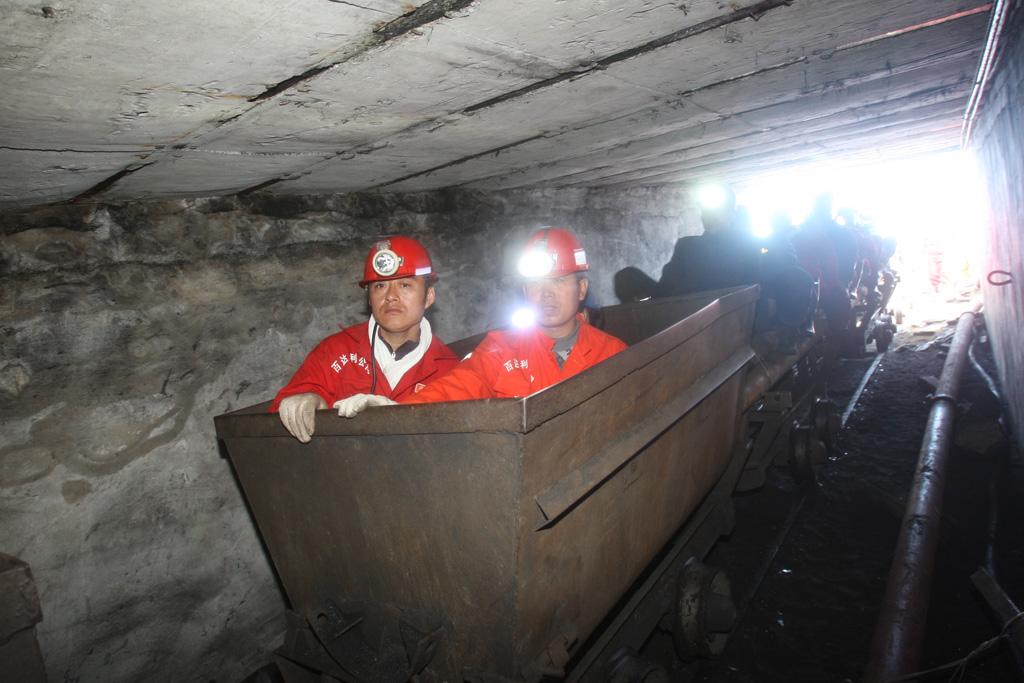
Rescuers prepare to enter a flooded coal pit to rescue trapped workers in Hengtai coal mine on August 24, 2011 in Qitaihe, Heilongjiang, China.
A steel cable broke as it was pulling two carriages at a coal mine in northwest China on Tuesday, killing 20 workers and injuring 14.
The injured were transported to a hospital, including three who were in a serious condition, according to Agence France-Presse. Officials at the Baiyin city work safety administration, which oversees the Qusheng mine, refused to comment.
The Associated Press reported that the 34 miners were riding in the carriages when the steel cable broke, overturning the carriages in the mine and sending them plummeting into a pit.
According to AFP, China is the world's biggest consumer of coal, relying on the fossil fuel for 70 percent of its energy needs.
The country also has the world's deadliest coal mine industry, with 1973 miners killed in accidents in 2011, noted the AP. Recent safety improvements have reduced deaths, but safety rules are often ignored and accidents are still common.
More from GlobalPost: 2 Chinese coal mine accidents trap 17
But labor rights groups say the actual death toll is likely much higher, because of under-reporting of accidents, said AFP, since mine bosses try to lower monetary losses and avoid punishment.
The AP also reportat that in August, a mine explosion in Sichuan province left 44 people dead, the highest single accident toll for the industry in almost three years.
The story you just read is accessible and free to all because thousands of listeners and readers contribute to our nonprofit newsroom. We go deep to bring you the human-centered international reporting that you know you can trust. To do this work and to do it well, we rely on the support of our listeners. If you appreciated our coverage this year, if there was a story that made you pause or a song that moved you, would you consider making a gift to sustain our work through 2024 and beyond?