The totally spectacular Perseid meteor shower is going to peak tonight
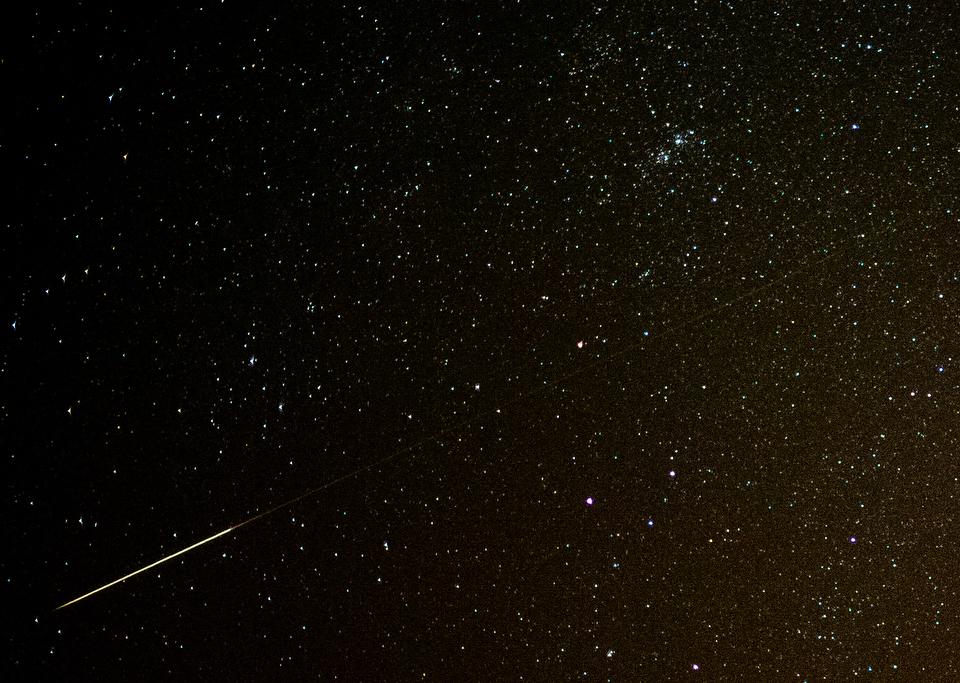
A shooting star can be seen in the night sky over Sieversdorf, eastern Germany, on August 11, 2013. The peak of the Perseid meteor shower is expected for the night to Tuesday, August 13, 2013.
If you can escape the light pollution, let nature dazzle you with a gorgeous light show.
The annual Perseid meteor shower is set to peak Tuesday night and stargazers in the northern hemisphere will have the best view. Depending on the visibility, you can view up to 40 shooting stars streaking across the night sky every hour.
The moon might "wash out" the fainter meteors, but the brightest ones will still be visible, according to NASA.
NASA has posted this viewing map to show where the meteor shower will be most visible.
The Perseids are the result of the Earth slamming into debris leftover by the comet Swift-Tuttle. The chunks of ice and dust burn up as they enter the Earth’s upper atmosphere, creating streaks across the sky.
The Earth passes through the cloud of debris every August so if you miss the meteor shower this year, it’s a safe bet you will have another chance to see it next year.
NASA said the peak viewing time will be around 3 a.m. wherever you are, which is tough if you have to work on Wednesday.
But based on these photos taken last year, it’s really worth staying — or getting — up for.
Cathedral Gorge State Park, Nevada

Ethan Miller/Getty Images
Yangon, Myanmar

AFP/Getty Images
Sieversdorf, Germany

AFP/Getty Images
Every day, reporters and producers at The World are hard at work bringing you human-centered news from across the globe. But we can’t do it without you. We need your support to ensure we can continue this work for another year.
Make a gift today, and you’ll help us unlock a matching gift of $67,000!