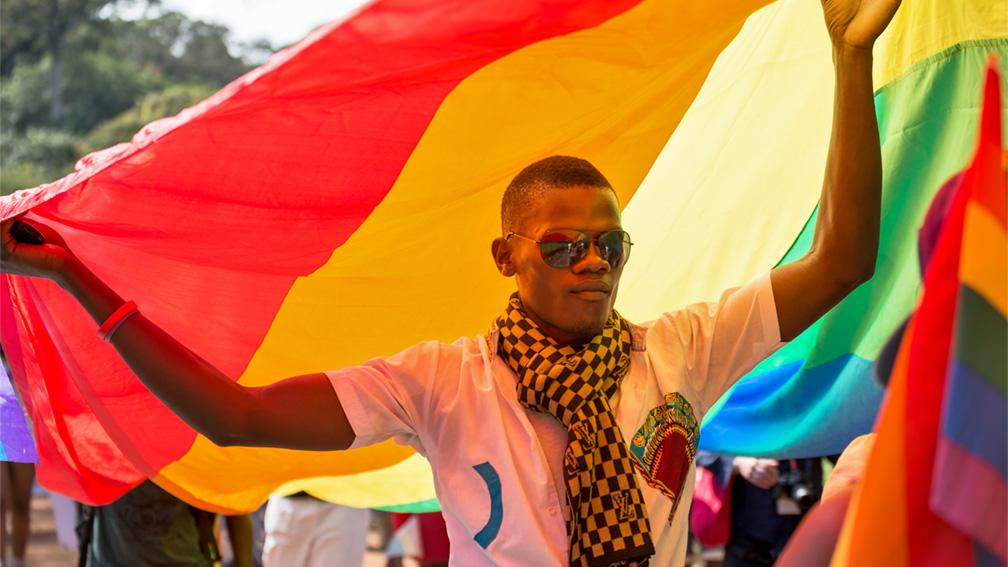
About 100 people marched in Saturday’s gay pride parade, held at a secluded beach near Lake Victoria in Uganda. Homosexuality is still illegal in Uganda and punishable by up to 14 years in prison.
The Ugandan LGBTI community celebrated their annual Pride Uganda festival last week. Because Ugandan law criminalizes homosexuality, participants met at private or secluded venues over a five-day period.
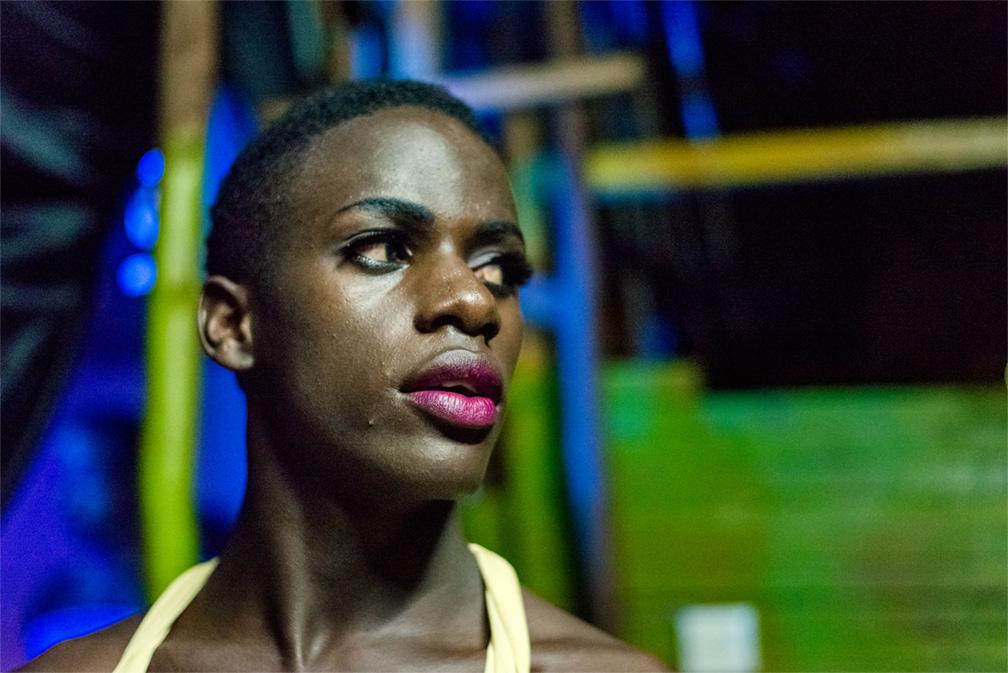
More than a dozen contestants from the Ugandan LGBTI community competed for the title of Mr. or Miss Pride in a contest held at a local bar, hotel and massage parlor in the nation’s capital of Kampala.
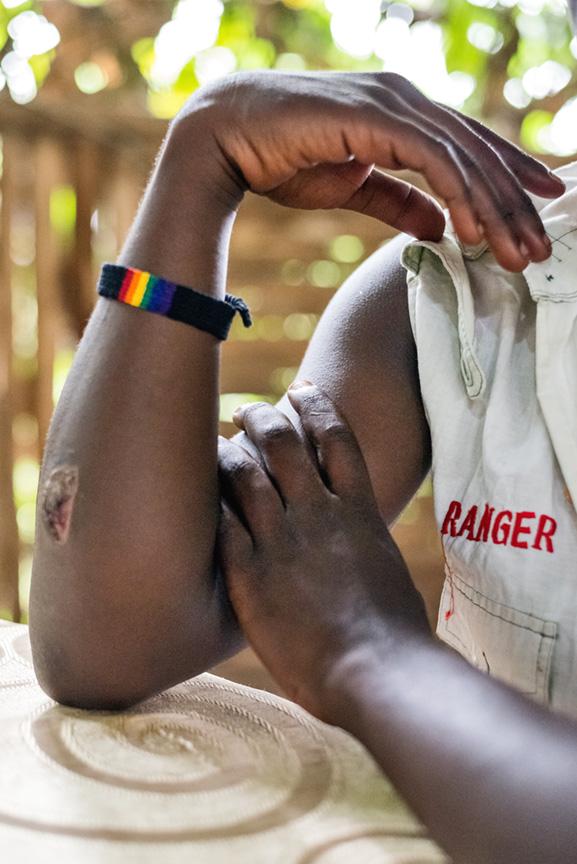
“Today is rights day, but I don’t know why I should be celebrating,” Badru (above) says. “Pride is meaningless to me.” He's now homeless, jobless and desperate, he says, after being evicted from his home when his landlord discovered he's gay. Badru says it's hard to get a job despite his college degree: People won’t hire him because of his sexual orientation and sometimes he’s forced to resort to sex work in order to survive.
Someone attacked him after learning about his sexual orientation. “He cut me with a panga (machete),” Badru says of the wound on his forearm.
“My dream and my hope is to have a better life,” he says. “But every dream of mine is shattered.”
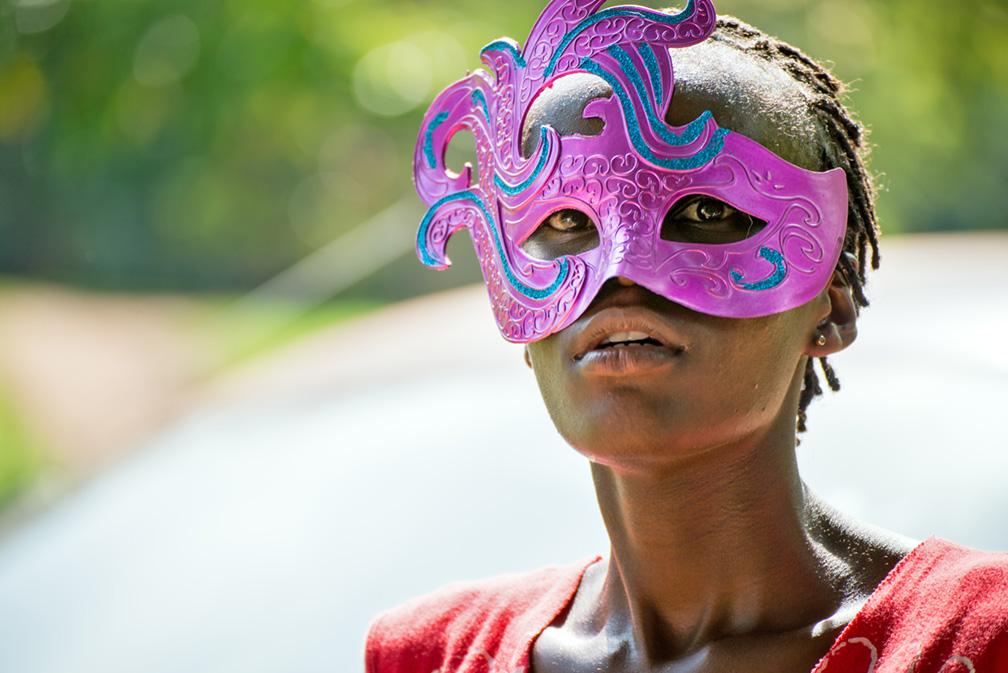
The first Pride Uganda celebration was in 2012; the following year the Ugandan Parliament passed the Anti-Homosexuality Act, which punished same-sex relationships with life imprisonment. That law was later ruled invalid based on a minor voting technicality. But same-sex relationships are still illegal in Uganda and are punishable by up to 14 years in prison.
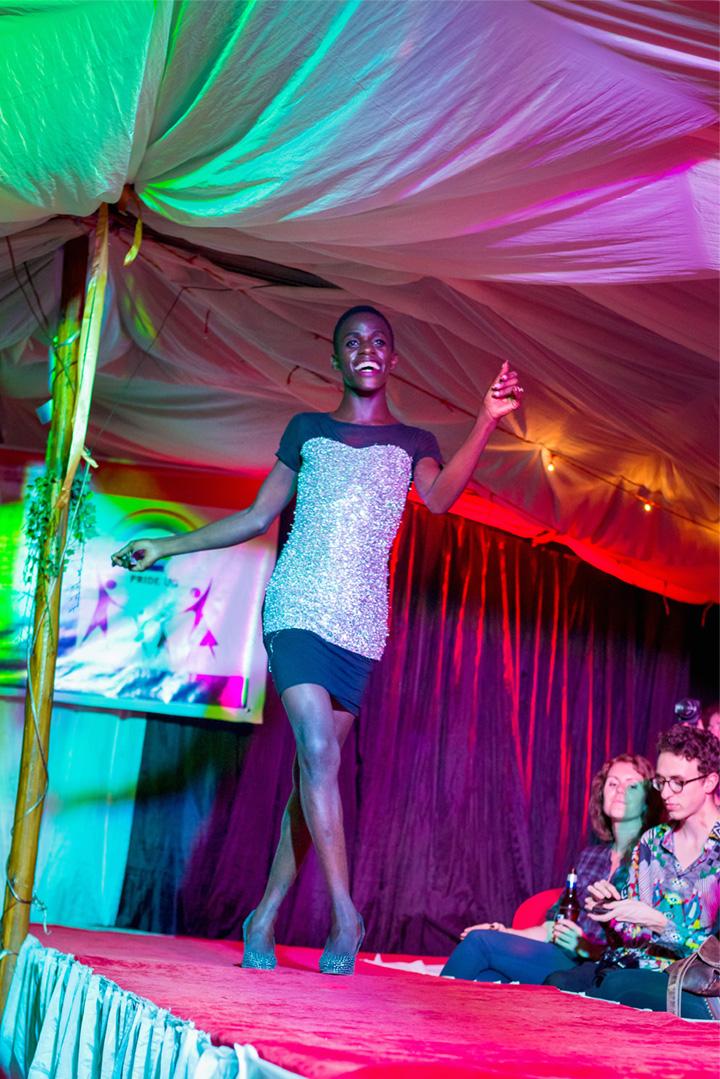
Hundreds of local spectators attended Friday’s Mr. and Miss Pride competition. Teetering atop a wobbly red-carpet runway, more than a dozen contestants from the Ugandan LGBTI community showcased their dance and lip-syncing talents.
When asked why she wanted to become Miss Pride Uganda, a contestant named Arianna said, “I want to come out as a trans woman so they stop discriminating against us. I want to come out to show everyone that trans people are people.”
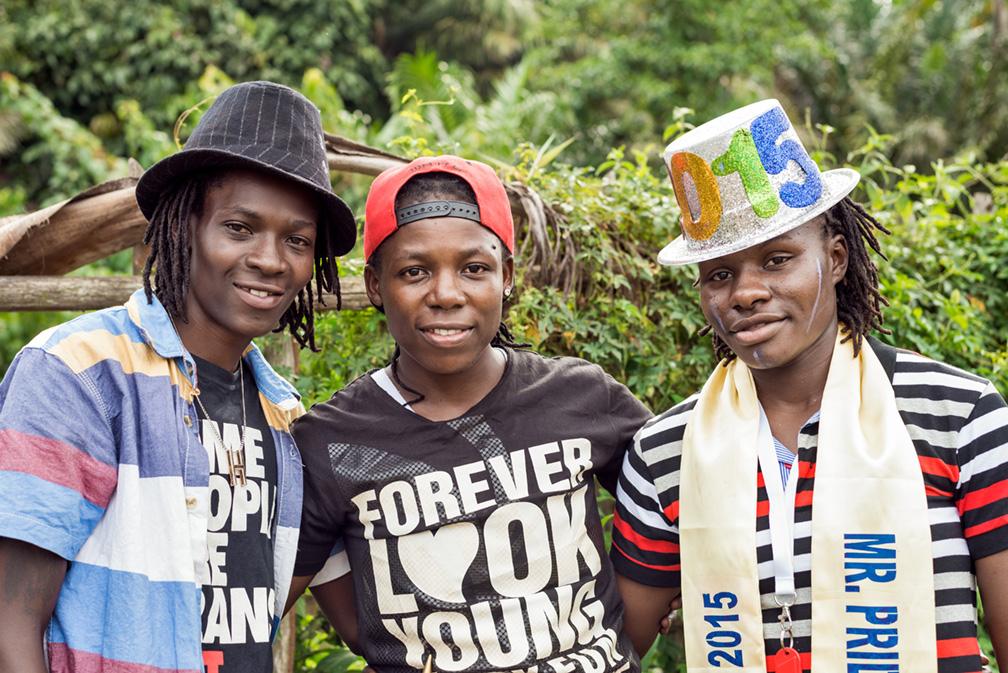
Pride Uganda coordinator Jay Mulucha attended the first Pride Festival in 2012. Today, he and coordinator Apako Williams say that Ugandans are more accepting of the LGBTI community than in the past, thanks in part to the legalization of same-sex marriage in other countries.
“It all starts from somewhere. I believe a time will come when Uganda will legalize it too,” Mulucha said.
“Things are shifting. I see the future is bright,” Williams added.
The story you just read is accessible and free to all because thousands of listeners and readers contribute to our nonprofit newsroom. We go deep to bring you the human-centered international reporting that you know you can trust. To do this work and to do it well, we rely on the support of our listeners. If you appreciated our coverage this year, if there was a story that made you pause or a song that moved you, would you consider making a gift to sustain our work through 2024 and beyond?